
Brewing coffee at home is simple. You do not need to be a barista or buy expensive machines. With the right beans, clean water, and a basic brewing method, you can make café-quality coffee in your own kitchen.
Many people now prefer home brewing. It saves money and gives full control over taste and strength. You can choose your favorite beans, adjust the grind size, and try different brewing styles until you find the flavor you love.
Another reason people enjoy brewing coffee at home is the experience. Grinding fresh beans, smelling the aroma, and slowly brewing a cup can become a relaxing daily ritual. Whether you like strong espresso or smooth pour-over coffee, learning the basics will help you make better coffee every day.
In this guide, you will learn the essential tools, the best brewing methods, and simple steps to make delicious coffee at home.
Key Takeaways
- Brewing coffee at home is easy and cost-effective.
- Fresh coffee beans and clean water make the biggest difference in taste.
- Different brewing methods create different flavors and strengths.
- The right coffee-to-water ratio is key to balanced coffee.
- With a little practice, you can make café-quality coffee at home. ☕
What You Need to Brew Coffee at Home
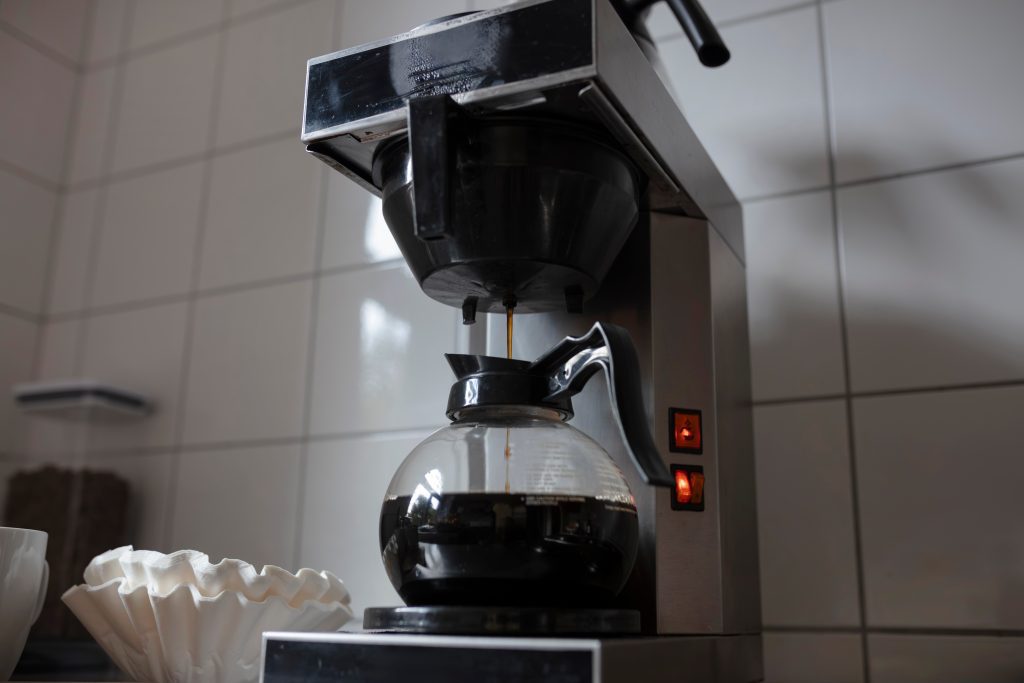
Brewing coffee at home does not require many tools. A few basic items are enough to make a great cup. When you use the right equipment, the brewing process becomes easier and the taste improves.
Essential Equipment
- Coffee Beans – Fresh whole beans give the best flavor and aroma.
- Coffee Grinder – Grinding beans just before brewing keeps the coffee fresh.
- Coffee Maker or Brewing Tool – Such as a French press, pour-over dripper, or drip coffee machine.
- Kettle – Used to heat water for brewing. A gooseneck kettle helps with better pouring control.
- Coffee Filter – Paper or metal filters remove coffee grounds and create a cleaner cup.
Optional Tools
- Kitchen Scale – Helps measure the exact coffee-to-water ratio.
- Thermometer – Ensures water is at the correct temperature.
- Gooseneck Kettle – Allows slow and precise pouring for pour-over brewing.
Choosing the Right Coffee Beans
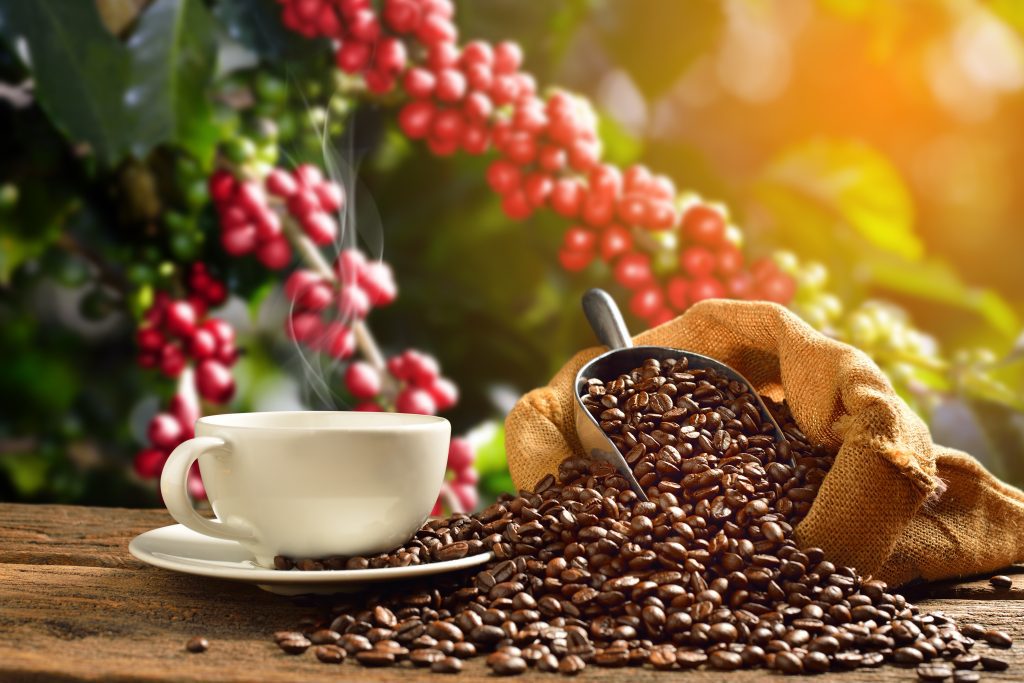
Coffee beans are the most important part of your coffee. The type and roast level can change the taste completely. Choosing good beans will help you make better coffee at home.
Types of Coffee Beans
- Arabica Beans
- Smooth and flavorful
- Slightly sweet and aromatic
- Most common type used in specialty coffee
- Robusta Beans
- Strong and bold taste
- Higher caffeine content
- Often used in espresso blends
Roast Levels
- Light Roast
- Bright and fruity flavor
- Higher acidity
- Shows the original taste of the bean
- Medium Roast
- Balanced flavor and aroma
- Smooth and slightly sweet
- Very popular for everyday coffee
- Dark Roast
- Bold and smoky taste
- Lower acidity
- Often used for strong coffee lovers
Whole Bean vs Ground Coffee
- Whole Beans stay fresh longer and keep more flavor.
- Ground Coffee is convenient but loses freshness faster.
- Grinding beans right before brewing gives the best taste.
Grinding Coffee Correctly
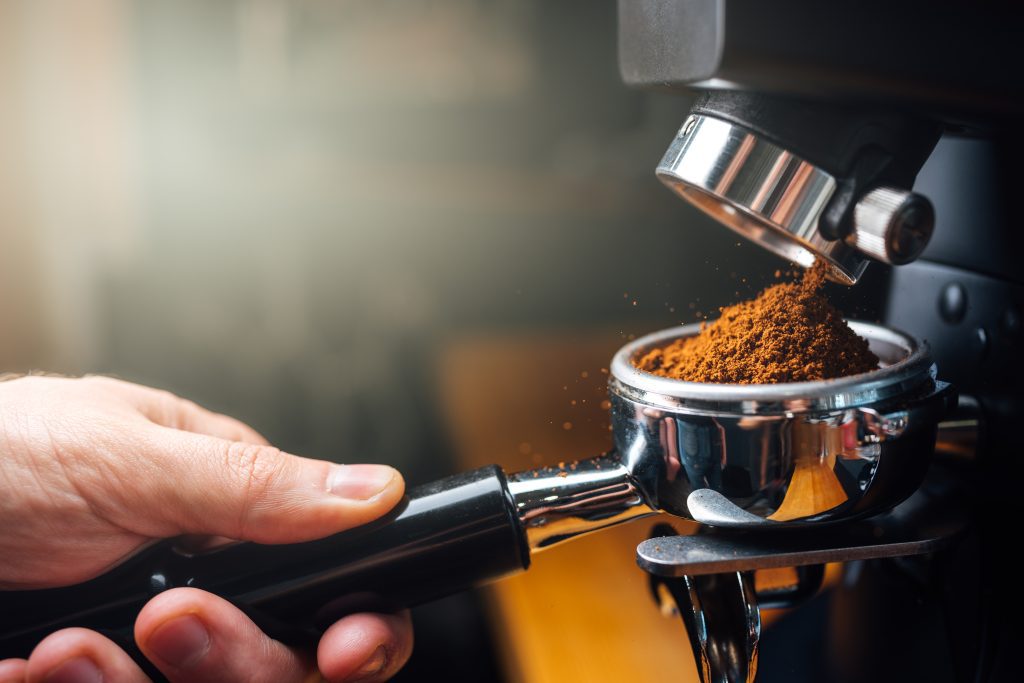
Grinding coffee the right way is very important. The grind size affects how fast water extracts flavor from the coffee grounds. Using the wrong grind size can make coffee taste weak or bitter.
Common Grind Sizes
- Coarse Grind
- Large coffee particles
- Best for French press and cold brew
- Medium Grind
- Similar to sea salt texture
- Ideal for drip coffee makers and pour-over
- Fine Grind
- Smooth powder-like texture
- Used for espresso machines
Why Grind Size Matters
- Controls the extraction speed of coffee
- Prevents coffee from tasting too bitter or too weak
- Helps create a balanced and flavorful cup
Grinding fresh beans right before brewing is one of the easiest ways to improve coffee quality at home.
Best Coffee Brewing Methods at Home
There are many ways to brew coffee at home. Each method creates a different taste and strength. Choose the method that fits your taste and available equipment.
Drip Coffee Maker
- One of the most common home brewing methods
- Simple and automatic
- Good for making multiple cups quickly
- Produces smooth and balanced coffee
French Press
- Creates rich and full-bodied coffee
- Coffee grounds stay in contact with water longer
- No paper filter needed
- Great for people who like strong flavor
Pour Over
- Manual brewing method
- Water is poured slowly over coffee grounds
- Produces clean and smooth coffee
- Allows full control over brewing process
Espresso Machine
- Makes strong and concentrated coffee
- Uses high pressure for extraction
- Used for drinks like latte, cappuccino, and americano
AeroPress
- Compact and easy to use
- Brews coffee quickly
- Produces smooth and less bitter coffee
- Popular for travel and small kitchens
Coffee to Water Ratio (The Golden Rule)
The coffee-to-water ratio is very important. It controls the strength and flavor of your coffee.
Standard Coffee Ratio
- The most common ratio is 1:15 to 1:18
- This means 1 gram of coffee for 15–18 grams of water
Example Measurements
- 1 cup coffee (240 ml water) → about 15 grams coffee
- 2 cups coffee → about 30 grams coffee
Adjusting Coffee Strength
- Use more coffee for stronger flavor
- Use less coffee for lighter taste
- Always try small adjustments until you find your preferred balance
Step-by-Step Guide: How to Brew Coffee at Home
Follow these simple steps to make a great cup of coffee.
- Measure Coffee Beans
- Use a scale or tablespoon to measure the correct amount.
- Grind the Coffee
- Grind beans based on the brewing method.
- Heat the Water
- Ideal water temperature is 90–96°C (195–205°F).
- Add Coffee to Brewer
- Place coffee grounds into your coffee maker or filter.
- Pour Water Slowly
- Pour evenly over the coffee grounds.
- Allow Coffee to Brew
- Brewing time depends on the method.
- Serve and Enjoy
- Pour into a cup and enjoy fresh coffee.
Common Coffee Brewing Mistakes
Many people make small mistakes that affect coffee taste. Avoiding these can improve your coffee instantly.
- Using Old Coffee Beans
- Fresh beans produce better aroma and flavor.
- Wrong Grind Size
- Too fine can cause bitterness.
- Too coarse can make coffee weak.
- Water Too Hot or Too Cold
- Incorrect temperature reduces flavor extraction.
- Incorrect Coffee Ratio
- Too much water makes coffee watery.
- Too little water makes coffee too strong.
Tips to Make Better Coffee at Home
Small improvements can make a big difference in taste.
- Use Fresh Coffee Beans
- Fresh beans keep the flavor rich.
- Use Filtered Water
- Clean water improves coffee quality.
- Preheat Brewing Equipment
- Warm equipment keeps brewing temperature stable.
- Store Coffee Properly
- Keep beans in an airtight container away from heat and light.
- Experiment With Brewing Methods
- Try different methods to discover your favorite flavor.
Frequently Asked Questions
How much coffee should I use per cup?
A common rule is 1–2 tablespoons of coffee for one cup of water.
Can I brew coffee without a coffee machine?
Yes. Methods like French press, pour over, or AeroPress do not require a large machine.
What is the best brewing method?
The best method depends on personal taste.
- French press for strong coffee
- Pour over for smooth flavor
- Espresso for concentrated coffee
How long should coffee brew?
- French press: 4 minutes
- Pour over: 2–3 minutes
- Drip coffee: 4–5 minutes
Conclusion
Brewing coffee at home is easy and rewarding. With the right beans, proper grind size, and a simple brewing method, anyone can make delicious coffee in their kitchen.
You do not need expensive equipment to start. A basic brewing tool and fresh coffee beans are enough to create a great cup. As you practice, you can experiment with different brewing styles and ratios to find the flavor that suits you best.
Making coffee at home not only saves money but also allows you to enjoy fresh, flavorful coffee anytime. ☕