
How Does Electric Milk Frother Work to Create Perfect Foam Every Time
Electric milk frothers are handy kitchen gadgets that turn everyday milk into smooth, velvety foam. This guide explains how electric milk frothers work to create perfect foam every time, with easy steps, useful tips, and troubleshooting advice to help you enjoy café-quality drinks at home.
Key Takeaways
- How frothing works: Electric milk frothers use heat and rapid whisking to aerate milk, producing creamy foam.
- Types of frothers: There are standalone electric frothers, handheld frothers, and automatic machines with frothing functions.
- Milk choice matters: Different milk types froth differently; whole milk produces rich foam, while plant-based milks vary.
- Step-by-step frothing: Proper milk temperature, quantity, and frother settings are key for perfect foam.
- Cleaning is essential: Regular cleaning keeps your frother working well and prevents flavor contamination.
- Troubleshooting tips: Common issues like weak foam or overheating have easy fixes.
- Benefits: Electric frothers save time and bring coffeehouse-quality foam to your kitchen.
Introduction: Understanding How Electric Milk Frothers Work
If you love coffee drinks like cappuccinos, lattes, or macchiatos, you know that foam makes all the difference. An electric milk frother is a simple tool that creates that light, creamy foam quickly and easily. In this guide, you’ll learn exactly how an electric milk frother works to create perfect foam every time. We’ll walk you through the science behind frothing, the types of frothers, step-by-step instructions, tips for the best results, and troubleshooting advice.
Step 1: Know the Basics of Milk Frothing
What is Milk Frothing?
Milk frothing is the process of adding air into milk using heat and agitation. This creates a thick layer of tiny bubbles called foam. The foam adds texture, sweetness, and visual appeal to your coffee drinks.
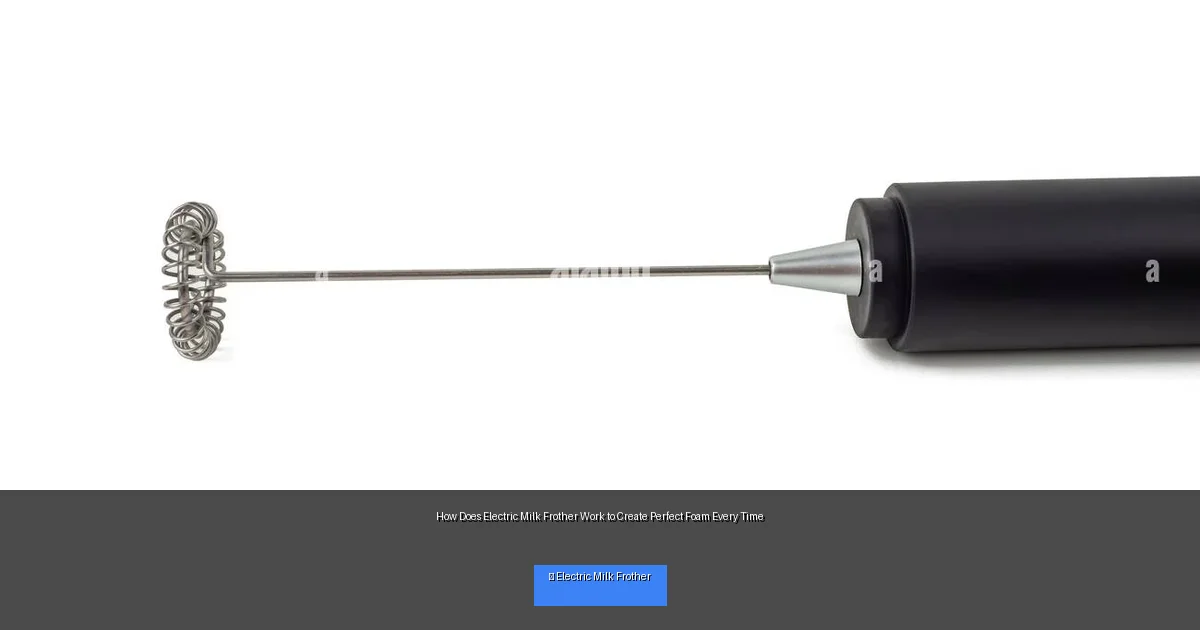
Visual guide about How Does Electric Milk Frother Work to Create Perfect Foam Every Time
Image source: c8.alamy.com
Why Use an Electric Milk Frother?
Electric milk frothers automate the frothing process. They heat and whisk milk simultaneously, saving time and effort. Unlike manual frothing methods, electric frothers produce consistent, smooth foam with minimal mess.
Step 2: Understand How Electric Milk Frothers Work
The Heating Element
Most electric milk frothers have a built-in heating plate or coil. This gently warms the milk to the ideal temperature, usually around 140-160°F (60-70°C). Heating is crucial because warm milk froths better and tastes sweeter.
The Whisk or Frothing Disk
Inside the frother, a small whisk or frothing disk spins rapidly. This mechanical action introduces air bubbles into the milk by churning it vigorously. The movement breaks the surface tension and incorporates tiny air pockets to form foam.
Combining Heat and Agitation
The magic happens when heat and agitation work together. Warm milk proteins (mainly casein and whey) unfold and trap air bubbles, stabilizing the foam. The electric frother’s whisk keeps the milk moving so bubbles stay small and uniform, creating rich, creamy foam.
Step 3: Choose the Right Type of Electric Milk Frother
Standalone Electric Frothers
These are countertop devices with a container, heating element, and whisk inside. You pour milk in, press a button, and the frother does the rest. They often have multiple settings for hot froth, cold froth, or just heating milk.
Handheld Electric Frothers
These battery-powered whisks are small and portable. You place them into a cup of milk and turn them on to froth manually. They don’t heat milk, so you need to warm it separately.
Automatic Coffee Machines
Many espresso machines have built-in electric frothers. These systems usually combine steam and whisking to create foam but can also include electric frothing options.
Step 4: Prepare Milk for Frothing
Choose Your Milk
Whole milk produces the creamiest foam because of its fat content. Skim milk creates lighter, airier foam but less creamy. Plant-based milks like oat, almond, or soy vary—oat milk tends to froth well, while others may need barista blends.
Use Fresh Milk
Fresh milk froths better. Older milk can give weak foam and off flavors. Always use milk before the expiration date.
Measure the Milk
Fill your frother only up to the indicated max line. Overfilling can cause messes or poor froth quality.
Step 5: Froth the Milk Using an Electric Milk Frother
Step 5.1: Pour Milk into the Frother
Pour cold or room temperature milk into the frother’s jug, not exceeding the max fill line. If you want cold foam, use cold milk.
Step 5.2: Select the Frothing Setting
Choose hot froth, cold froth, or just heating depending on your device and preference.
Step 5.3: Start the Frother
Press the start button. The whisk will begin spinning, and the heating element will warm the milk if you selected hot froth.
Step 5.4: Wait for Completion
The frother usually runs for 1-3 minutes. It will automatically stop when foam is ready or milk is heated.
Step 5.5: Pour and Enjoy
Pour the milk foam gently over your coffee or beverage. Use a spoon to hold back foam if you want mostly steamed milk.
Step 6: Tips for Creating Perfect Foam Every Time
- Temperature matters: Ideal frothing temperature is 140-160°F. Too hot milk breaks down foam structure.
- Use fresh, cold milk: Froth starts better with cold milk, then heats inside the frother.
- Don’t overfill: Leave room for milk expansion during frothing.
- Clean immediately: Clean the frother right after use to prevent milk residue buildup.
- Experiment with milk types: Try barista blends of plant milks for better foam.
- Preheat your cup: Warm cups keep foam from cooling too fast.
Troubleshooting Common Issues
Foam is Thin or Weak
Check if milk is too warm or old. Use fresh, cold milk and avoid overheating. Clean frother whisk to remove residue.
Frother Won’t Start
Ensure frother is properly plugged in and milk is inside the minimum fill line. Some models won’t start without milk.
Milk Overflows
Don’t exceed max fill line. Milk expands during frothing, so leave space.
Foam is Not Hot Enough
Make sure you selected the hot froth setting. If issues persist, the heating element may need servicing.
Conclusion: Enjoy Café-Quality Foam at Home
Electric milk frothers are fantastic tools for making creamy, perfect foam quickly and easily. By understanding how they work—combining heat and whisking to aerate milk—you can achieve barista-level drinks at home. Follow the step-by-step guide, choose the right milk, and maintain your frother well for consistent results. With a little practice, you’ll enjoy delicious, frothy beverages every time without leaving your kitchen.
🎥 Related Video: How To Use A Milk Frother To Get The Most Foam!
📺 Zulay Kitchen
How to use a milk frother On Amazon: https://bit.ly/Zulay-YTDesc-MilkFrother Check out the Milk Boss Milk Frother in action!
