
You cup a world of stories every time you brew. From Ethiopian ceremonies that slow time to quick Italian espresso rituals at the corner bar, coffee traditions shape how people meet, celebrate, and start their day. You can learn simple rituals and brewing tips from different cultures to make your own cup more meaningful and better tasting.
Ethan Cole at Webrewcoffee.com often points out that small changes—grind size, water temperature, or a different brewing ritual—can change your whole coffee moment. This article guides you through historic origins, hands-on methods, and modern twists so you can try new techniques at home and connect with global coffee practices.
Key Takeaways
- Coffee traditions reveal cultural history and daily habits.
- Simple brewing changes can improve flavor and ritual.
- Trying global methods helps preserve and refresh coffee heritage.
Historical Origins of Coffee Traditions
Coffee likely began as a wild plant in highland Ethiopia and became a brewed drink in Yemen. Over centuries it moved along trade routes, reached Europe, and shaped social and religious customs in many regions.
Discovery and Early Use
Legend and early reports link coffee’s discovery to Ethiopia, where people noticed energizing effects after eating red coffee cherries. Scholars point to the 9th–11th centuries for early local use, though clear records start later.
By the 15th century, Sufi communities in Yemen brewed coffee to stay alert during night prayers. Yemen’s port cities and Sufi lodges developed simple brewing and roasting methods. Coffee cultivation began in Yemeni gardens and soon moved to small-scale trade.
Early use combined ritual and function. People drank coffee to boost focus, to mark social gatherings, and in religious settings. These practices set patterns—roasting, grinding, and brewing—that persisted as coffee spread.
The Spread Across Continents
Trade ships and colonial expansion carried coffee plants from the Arabian Peninsula to Asia, Africa, and the Americas. The Dutch cultivated coffee on Java and Sumatra in the 17th century, then moved plants to their colonies. European powers established plantations in the Caribbean and Central and South America in the 18th and 19th centuries.
Coffee’s movement followed clear routes: Red Sea trade to Ottoman lands, then Mediterranean ports to European cities. Seedlings and seedlings’ cuttings traveled on naval and merchant ships. By the 1770s coffee was common in North America; political events like the Boston Tea Party helped shift American tastes toward coffee.
This spread changed production scale and labor systems. Small regional gardens gave way to large plantations, altering economies and landscapes across continents.
Cultural Adoption and Significance
Different societies folded coffee into daily life in unique ways. In the Ottoman world, coffeehouses became centers for conversation, music, and news. In Europe, coffeehouses grew into spaces for business, political debate, and scientific exchange.
Local brewing methods shaped flavors and rituals. Turkish and Greek coffee used finely ground beans boiled with water. Italian espresso focused on pressure and short extraction. Latin American cultures often emphasized lighter roasts and milder brews served in homes and cafes.
Coffee also tied to identity and ceremony. It featured in courtship rituals, religious tolerances, and civic life. The beverage influenced work patterns by supporting long hours and became a global commodity with clear cultural footprints in each region.
Global Coffee Customs
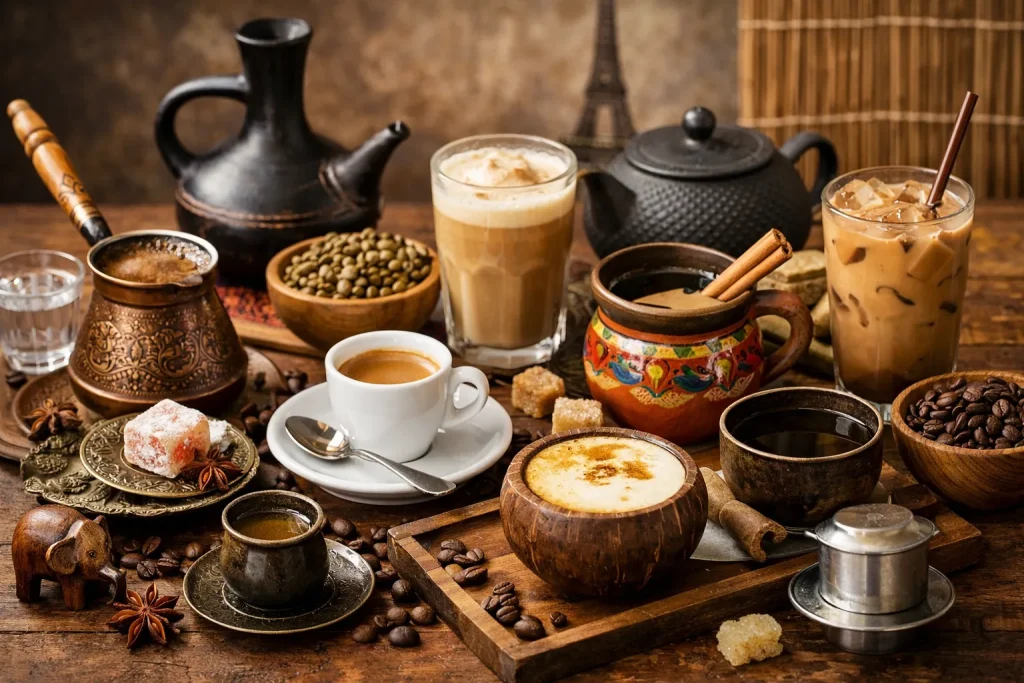
Coffee rituals show how people greet guests, mark daily routines, and celebrate history. They vary by tools, timing, and the social role coffee plays in each place.
Ethiopian Coffee Ceremony
The Ethiopian ceremony centers on freshly roasted beans and long preparation. A host roasts green beans over a small charcoal brazier until aromatic, then grinds them by hand. The ground coffee is brewed in a narrow-necked clay pot called a jebena and served in small cups called cint.
Guests often receive three rounds of coffee, called awel (first), kale (second), and baraka (third). Each round signals time spent together and growing hospitality. Incense or flowers may accompany the service to honor visitors and create a calm setting.
This ritual is communal and slow. It can last an hour or more and often follows special meals, meetings, or rites of passage. The process emphasizes respect, conversation, and the skill of the preparer.
Italian Espresso Culture
Italian coffee culture focuses on quick, precise espresso served at counters. Baristas use high-pressure machines to extract a 25–30 ml shot with a creamy crema on top. People usually stand at the bar for a fast drink, often ordering by name: espresso, macchiato, or cappuccino—though cappuccino is typically a morning choice only.
Payment often happens after the drink, and menus list strict rules about serving times. Social rules guide behavior: long lingering at a busy espresso bar is uncommon, and milk-based drinks later in the day can mark a tourist.
This culture values consistency, speed, and quality equipment. Training and machine maintenance shape the taste, and many Italians judge a cafe by its espresso and crema.
Turkish Coffee Rituals
Turkish coffee uses very fine grounds boiled in a small copper or brass pot called a cezve. The brew is made with water, coffee, and often sugar, and it is brought to a gentle froth without filtering. Coffee is poured slowly so the grounds settle in the cup’s bottom.
Fortune-telling from the leftover grounds is a well-known custom. After drinking, the cup is turned over onto the saucer; readers interpret the dried grounds’ patterns. Serving often includes sweet treats like Turkish delight and a glass of water to cleanse the palate.
This ritual places importance on texture and social bonding. The thick brew and ritualized serving invite long conversations and a sense of ceremony.
Japanese Coffeehouses
Japanese coffeehouses blend precision with quiet hospitality. Kissaten, traditional coffee shops, use manual brewing methods such as siphon or pour-over to control temperature and extraction. Baristas measure water and grounds carefully and focus on presentation and timing.
Atmosphere leans toward calm and solitude. Customers often sit alone to read or reflect, not to chat loudly. Shops may offer single-origin beans and clear explanations of origin and roast to guide informed choices.
Modern specialty cafes mix this precision with contemporary design, but the core value remains: respect for the craft, attention to detail, and a restrained, thoughtful service.
Specialty Preparation Methods
These methods focus on control, extraction, and clarity of flavor. They use specific grind sizes, water temperatures, and timing to highlight origin notes and texture.
Pour Over and Drip Techniques
Pour over and drip emphasize even water flow and precise contact time. They use a medium-fine to medium grind and water just off boil (about 92–96°C). Baristas often bloom the grounds with a small initial pour for 30–45 seconds to release CO2, then pour in slow, concentric circles to keep the bed level. This controls extraction and prevents channeling.
Equipment matters: paper filters give a clean cup by trapping oils, while metal filters leave more body and oils. A gooseneck kettle improves pour control. For home brewers, a scale and timer make results repeatable.
For more on technique and recipes, the Specialty Coffee Association offers detailed brewing standards and tips.
French Press Method
French press uses full immersion to extract oils and heavier body. It calls for a coarse grind and water at about 93–96°C. Steep time normally ranges 3.5–4 minutes, then the plunger is pressed slowly to separate grounds from liquid. That slows over-extraction and reduces sediment release.
Controlled variables include grind coarseness, steep time, and gentle plunge pressure. A metal mesh filter allows more soluble oils through, so the cup tastes richer and fuller. To reduce grit, let the brewed coffee settle for 30 seconds before pouring.
For cleaning and care of the metal mesh and carafe, consumer guides like those from trusted kitchen sources give practical maintenance tips.
Cold Brew Practices
Cold brew extracts flavor with room-temperature or cold water over long periods. It uses a coarse grind and a 12–24 hour steep in the refrigerator or at room temperature. The result is a low-acidity, smooth concentrate that can be diluted with water or milk.
Ratio and time matter: common ratios run from 1:4 to 1:8 (coffee to water) for concentrate, and lighter ratios for ready-to-drink brews. Filtration through a fine mesh, cloth, or paper reduces sediment and clarifies the cup. Cold brew also stores well; keep it refrigerated and use within 7–10 days for best flavor.
For safety and detailed recipes, food safety resources outline safe refrigeration and storage practices.
Coffee in Social and Religious Contexts
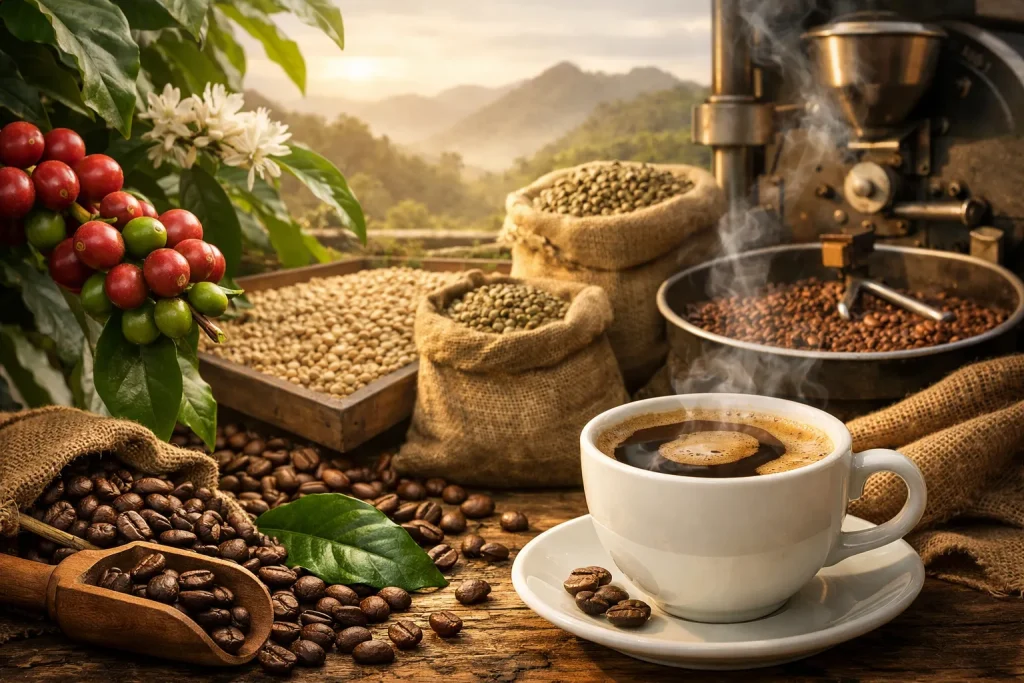
Coffee shapes daily life, public spaces, and rituals. It links conversation, hospitality, and spiritual practice in clear, specific ways.
Coffeehouses as Community Hubs
Coffeehouses often act as local meeting places where people exchange news, debate ideas, and relax. In Turkey, traditional kahvehanes host conversations, games, and storytelling; patrons may discuss politics or read aloud from newspapers. Modern specialty cafés serve similar roles in cities worldwide, offering workspaces, small events, and places for friends to meet.
Design and service shape the role of a coffeehouse. Long tables, communal seating, and reliable Wi‑Fi invite remote work and study. Quick service and accessible prices encourage daily visits, while paid events and tastings build a regular customer base.
Religious Associations
Coffee appears in several religious and spiritual settings, often tied to hospitality and ritual timing. In Ethiopia, the coffee ceremony plays a social and semi-sacred role during weddings and visits, with roasting and brewing done in front of guests. Some Sufi orders historically used coffee to sustain night-long devotions, linking the drink to wakefulness during prayers.
Religious views can also restrict or shape coffee use. Certain faith communities have debated stimulants; others fully integrate coffee into festivals or rites. Context matters: coffee may be sacred, practical, or simply customary depending on local belief and practice.
Coffee and Social Gatherings
Coffee fuels many kinds of social gatherings, from brief meetups to extended ceremonies. In Latin America, family and neighbor visits often center on shared cups; hosts serve coffee to show welcome. In Italy, quick espresso at the bar structures short daily encounters between neighbors and workers.
The act of serving coffee signals hospitality and attention. Simple choices—how strong the brew is, whether sweets accompany it, and how cups are presented—carry social meaning. These small rituals set tone, create comfort, and reinforce social bonds.
Modern Trends in Coffee Traditions
These changes show how coffee now mixes craft, ethics, and tech. People value traceable beans, skilled brewing, and tools that make coffee more consistent and convenient.
Third Wave Coffee Movement
The Third Wave treats coffee like wine, focusing on single-origin beans, tasting notes, and light roasts that highlight origin flavors. Roasters and baristas emphasize farmers’ practices, altitude, and processing method to explain why a brew tastes floral, fruity, or chocolatey.
Specialty cafés train staff to pull precise espresso shots and use manual methods such as pour-over and siphon. Many menus list farm, region, and flavor descriptors so customers learn what they drink. Consumers often seek tasting flights or filter coffees served at specific temperatures to compare nuances.
This movement also pushes education: cuppings, origin trips, and brewing classes link drinkers to producers. For deeper context on standards and scoring, the Specialty Coffee Association offers resources and industry benchmarks.
Sustainable and Ethical Sourcing
Sustainability now shapes buying decisions at roasters and chains. Buyers prefer direct trade, long-term contracts, and price premiums that aim to improve farmer income and crop quality. Certification labels like Rainforest Alliance or Fair Trade appear on packaging, but many roasters publish their own sourcing reports for transparency.
Producers use agroforestry, soil-health practices, and water-saving processing to reduce environmental impact. Some cafes recycle coffee grounds, compost waste, and switch to reusable cups to cut landfill waste. Traceability tools, like blockchain pilots, help verify origin and payments to farmers.
Consumers look for clear proof: transaction records, origin stories, or third-party audits. For authoritative guidance on sustainable practices and certification, the United Nations Food and Agriculture Organization provides research and recommendations.
Integration of Technology
Technology has changed how coffee is grown, roasted, brewed, and sold. Farms use remote sensors and satellite data to monitor weather, soil moisture, and ripeness, which helps time harvests and improve yields. Roasters employ software and smart roasters to control roast profiles with high repeatability.
In cafés, espresso machines include PID controllers and pressure profiling for consistent extraction. Mobile ordering, subscription services, and smart grinders let customers pay, schedule pickups, and get beans ground to exact settings. Robot baristas and automated pour-over systems offer fast, consistent cups in high-traffic locations.
Data platforms now track inventory, sales trends, and customer preferences, helping small shops scale operations. For technical standards and industry tech trends, trade organizations and research labs publish case studies and tool comparisons.
Regional Coffee Celebrations
Regional coffee celebrations highlight local history, farming, and social rituals. They include official holidays that honor national coffee cultures and lively festivals that showcase tastings, music, and farm-to-cup experiences.
National Coffee Holidays
Many countries set aside days to honor coffee’s role in identity and economy. Colombia celebrates Coffee Growers’ Day with parades and awards for farmers in Huila and Quindío. Ethiopia marks its coffee heritage during holidays and public events where traditional coffee ceremonies are central to gatherings.
These holidays often include market fairs, educational talks about cultivation, and ceremonies that present local roast and brew methods. Governments or coffee boards sometimes use these dates to promote sustainable farming and fair trade programs. Visitors can expect tastings, demonstrations of roasting or pulping, and chances to meet producers.
Coffee Festivals Around the World
Coffee festivals mix trade shows, tastings, and cultural events in cities and coffee regions. Examples include South American festivals with farm tours, live music, and cupping competitions that highlight regional varieties and processing methods. Festivals in Asia and Europe often pair specialty coffee bars with barista contests and brewing workshops.
Typical festival activities:
- Cupping sessions to compare origin and roast profiles.
- Workshops on brewing methods like pour-over, espresso, or local techniques.
- Exhibits by roasters, equipment makers, and local artisans.
Attendees can buy single-origin beans, join farm-to-cup tours, and watch sensory competitions. Festivals serve both industry professionals and casual drinkers, offering hands-on learning and a chance to taste rare coffee styles.
Influence of Coffee Traditions on Global Cuisine
Coffee rituals shape food and drink choices across many cultures. In Ethiopia, coffee ceremonies pair with savory breads and spiced dishes, creating shared meals that center on hospitality. In Italy, espresso culture drove the rise of small, flavor-forward pastries like cornetti and biscotti.
Street coffee scenes influence fast food and snacks. Vietnamese egg coffee inspired creamy desserts and milk-based treats. Turkish coffee’s dense brew appears alongside sweet confections such as lokum (Turkish delight), linking bitter and sweet tastes.
Coffee also guides ingredient use and techniques in kitchens. Roasted and ground coffee show up in rubs, sauces, and desserts, adding bitterness and depth. Chefs borrow brewing methods—cold brew, espresso, and infusion—to extract flavor for marinades and cocktails.
Global trade and coffeehouse culture spread culinary ideas. Cafés introduced sandwiches, cakes, and light meals designed to complement coffee. Social rituals around coffee encouraged small plates and shared bites, which shaped café menus worldwide.
Key culinary roles of coffee:
- Flavor booster: Adds bitterness, acidity, and roast notes to both sweet and savory dishes.
- Cultural pairing: Matches local sweets and breads with regional coffee styles.
- Technique transfer: Inspires new preparations like coffee-cured meats and coffee-based sauces.
These influences show how a beverage can reshape eating habits and recipes, linking daily rituals to broader food traditions.
Preserving Coffee Heritage
Communities protect coffee heritage by keeping traditional growing and brewing methods alive. They pass skills and stories through families, markets, and ceremonies that link people to place.
Conservation efforts also focus on plant diversity. Seed banks, on-farm conservation, and in‑vitro preservation help save heirloom varieties threatened by disease and climate change.
Cultural projects document rituals and recipes so younger generations can learn them. Museums, oral histories, and community festivals record practices and make them visible to visitors and scholars.
Economic support makes preservation practical. Fair pay, direct trade, and tourism provide income that lets farmers maintain traditional methods rather than switch to brief, high-yield crops.
Practical actions include:
- Training in shade-grown and agroforestry techniques.
- Recording recipes, songs, and ceremonies linked to coffee.
- Funding local cooperatives and heritage-focused supply chains.
They balance tradition with innovation. Small-scale roasters and specialty coffee movements can highlight heritage beans and fair sourcing, while scientists offer disease-resistant varieties that respect original genetics.
Preserving coffee heritage requires cooperation among growers, researchers, buyers, and communities. Each group plays a clear role in keeping both the plants and the cultural practices that define coffee alive.
FAQS
What counts as a coffee tradition?
A coffee tradition is a regular way people prepare, serve, or enjoy coffee that reflects culture or history. It can be a formal ceremony, a daily habit, or a shared social practice.
Which countries have notable coffee rituals?
Ethiopia, Italy, Turkey, and Japan are often cited for distinct rituals. Each shows how coffee links to identity, hospitality, or craft.
Can someone try these traditions at home?
Yes. Many rituals adapt to home kitchens with a few tools and respect for technique. Simple changes like using a cezve for Turkish coffee or a pour-over for Japanese-style clarity make a real difference.
Does following a tradition require special beans or equipment?
Not always. Some traditions prefer certain roasts or gear, but the method and social meaning matter most. Authenticity comes from technique and intent rather than rare ingredients.
Are coffee rituals only about taste?
No. They shape social bonds, mark ceremonies, and preserve history. The flavor matters, but the ritual often carries the deeper value.
How often do traditions change?
They evolve as people mix old and new habits. Global travel and cafes speed change, yet many communities keep core elements intact.
Quick tips for trying a new ritual at home:
- Respect the method. Learn the steps before altering them.
- Invite others. Many rituals focus on sharing.
- Start simple. One focused element, like grind size or pouring style, can transform the cup.
Conclusion
Coffee traditions show how people connect through shared routines. They reflect hospitality, history, and local values in simple actions like pouring, roasting, or drinking together.
These rituals vary from quick espresso shots to long, ceremonial brews. Each one teaches respect for time, craft, and company.
Readers can borrow small practices to enrich daily life. Trying a ritual can bring mindfulness, spark conversation, and deepen cultural understanding.
The global mix of old and new keeps coffee culture alive. It invites ongoing curiosity and gentle preservation of meaningful practices.