
You can enjoy many of coffee’s perks without the buzz. Decaf still delivers antioxidants, a rich flavor, and some of the same heart and brain benefits as regular coffee, while cutting the sleep and anxiety effects of caffeine. If you want the health perks and flavor of coffee but less caffeine, decaf is a smart choice.
You’ll also find decaf fits many lifestyles: it helps people sensitive to caffeine, supports better sleep, and works as a flexible choice for afternoon or evening cups. Ethan Cole from Webrewcoffee.com often suggests tasting different decaf beans and brewing methods to find the cup that suits your palate and routine.
Key Takeaways
- Decaf offers coffee’s flavor and some health benefits with much less caffeine.
- It suits people avoiding caffeine and those who want evening coffee without sleep disruption.
- Try different beans and brewing tips to get the best decaf cup for your taste.
What Is Decaf Coffee?
Decaf coffee is regular coffee that has had most of its caffeine removed while keeping much of the flavor and antioxidants. You get the taste and many compounds you expect from coffee but with far less caffeine and fewer wakeful effects.
Decaffeination Process Explained
Decaffeination removes at least 97% of caffeine from green (unroasted) coffee beans. Common methods use water, solvents, or carbon dioxide to draw caffeine out before roasting.
- Swiss Water Process: Soaks beans in hot water to extract caffeine and coffee solids, filters caffeine through charcoal, then reintroduces the solids to preserve flavor.
- Solvent-Based Methods: Use ethyl acetate or methylene chloride to dissolve caffeine. Beans are rinsed to remove the solvent afterward.
- CO2 Method: Pressurizes liquid carbon dioxide to pull caffeine from beans; favored for preserving aroma and flavor.
You should know that decaf still contains small amounts of caffeine—typically 2–12 mg per 8-oz cup versus 70–140 mg in regular coffee. Check labels if you need very low caffeine.
Types of Decaf Coffee
Decaf comes in single-origin, blends, whole-bean, and ground forms, just like regular coffee. You can choose roast level, origin, and processing method.
- Whole-bean decaf gives you freshest flavor when you grind at home.
- Pre-ground decaf is convenient but loses aroma faster.
- Single-origin decaf highlights beans from one region; blends mix beans for balanced taste.
- Look for labels like Swiss Water or CO2 processed if you prefer chemical-free or flavor-preserving methods.
Specialty roasters often list the decaffeination method and cupping notes. That helps you match body, acidity, and flavor to your taste.
How Decaf Differs From Regular Coffee
The main difference is caffeine content: decaf has far less caffeine, which affects sleep, anxiety, and heart rate less than regular coffee. Flavor and antioxidant levels remain similar but can vary by process and roast.
- Taste: Decaf can taste slightly milder or different because decaffeination can remove some volatile oils. Quality decaf minimizes this loss.
- Health compounds: Many antioxidants like chlorogenic acids stay in decaf, though amounts can shift with processing.
- Effects: You should expect less stimulation, fewer sleep disruptions, and reduced caffeine-related side effects.
- Nutrition: Calorie and nutrient profiles are nearly identical when served black.
Check packaging for method and caffeine estimate if you need specific limits.
Health Benefits of Decaf Coffee

Decaf coffee gives you many of coffee’s helpful compounds without most of the caffeine. It can lower the chance of caffeine-linked symptoms, support better heart markers, and ease certain digestive issues.
Reduced Caffeine Side Effects
If caffeine makes you jittery, cuts your sleep, or raises your anxiety, decaf can help. Decaf removes about 97% or more of the caffeine, so you get a milder stimulant effect while still enjoying coffee flavor.
Switching to decaf can reduce heart palpitations and nighttime wakefulness. You may also notice fewer headaches tied to caffeine spikes and drops. For people sensitive to caffeine—pregnant people, those with anxiety disorders, or people with insomnia—decaf often provides a safer daily option.
Keep in mind that decaf is not completely caffeine-free. A typical cup has 2–7 mg compared with 70–140 mg in regular coffee. If you need zero caffeine, check product labels or choose brands that list exact caffeine content.
Heart Health Advantages
Decaf contains antioxidants like chlorogenic acids that can help lower inflammation. These compounds may support healthier blood vessels and reduce markers linked to heart disease.
Research shows decaf can have similar effects to regular coffee on some heart-related measures, such as improving endothelial function and modestly lowering certain inflammation markers. If you have high blood pressure or arrhythmia worsened by caffeine, switching to decaf can let you keep antioxidant benefits without caffeine-driven blood pressure spikes.
To maximize benefit, avoid adding large amounts of sugar or cream. Those extras can negate cardiovascular advantages by increasing calories and raising cholesterol or triglyceride levels.
Digestive Wellness
Decaf tends to be gentler on the stomach than regular coffee. Caffeine increases acid production and can relax the lower esophageal sphincter, which may worsen reflux or heartburn. Decaf lowers that risk because it contains much less caffeine.
Some people find decaf still stimulates bowel movements, but less intensely. If you suffer from acid reflux, gastritis, or IBS triggered by caffeine, switching to decaf often reduces symptoms while preserving the ritual and taste of coffee.
Note that decaffeination method and roast level can affect acidity and flavor. If you have sensitive digestion, try water-processed decaf or a darker roast, and test small amounts to see how your body responds.
Suitability for Sensitive Individuals
Decaf keeps most coffee flavor and antioxidants while cutting nearly all caffeine. This can help with pregnancy-related limits and with symptoms like anxiety, jitteriness, and sleep trouble.
Safe for Pregnant People
Decaf contains only trace caffeine, usually about 2–5 mg per 8‑oz cup, compared with 95+ mg in regular coffee. That lower amount helps you stay within common pregnancy limits (often 200 mg/day), reducing the risk tied to higher caffeine intake.
You should still check labels and ask your roaster when possible. Some decaf methods leave slightly different caffeine levels; look for beans labeled with the decaffeination method or a lab-tested caffeine amount.
If you have health concerns or complications, talk with your obstetrician about your total daily caffeine from all sources. Reliable information on coffee and pregnancy is available from sources like Wikipedia’s coffee page and professional health sites.
Reduced Anxiety and Jitters
Caffeine can raise heart rate and cause shakiness in sensitive people. By removing most caffeine, decaf lowers those risks and often reduces anxiety symptoms tied to coffee.
Decaf still contains compounds that affect digestion and mood, but they rarely cause the strong stimulant effects you get from regular coffee. If you notice palpitations or sleep disruption from normal coffee, switching to decaf usually cuts those symptoms.
Try a short test: replace one or two daily regular cups with decaf for a week and note changes in sleep, heart rate, and anxiety. If symptoms persist, consult your primary care provider for tailored advice.
Nutritional Value of Decaf Coffee
Decaf coffee gives you most of the same antioxidants and small amounts of vitamins and minerals found in regular coffee, while keeping caffeine very low. You get useful plant compounds with only about 2 mg of caffeine per 8-ounce cup, plus a few trace nutrients that vary by bean and brew method.
Antioxidant Content
Decaf still contains many of the polyphenols and antioxidant compounds that occur in coffee beans. Key antioxidants include chlorogenic acids and melanoidins formed during roasting. These compounds help neutralize free radicals in lab studies and support normal cellular processes in the body.
The total antioxidant level depends on bean origin and roast. Darker roasts shift the antioxidant profile, reducing some chlorogenic acids but increasing melanoidins. Brewing method matters too: espresso concentrates more antioxidants per ounce, while drip coffee yields more per typical cup.
If you want deeper technical background on coffee compounds, the Specialty Coffee Association and research summaries at World Coffee Research offer detailed data on coffee chemistry and antioxidants.
Vitamins and Minerals
A typical 8-ounce cup of plain decaf has almost no calories, fat, or sugar and provides only small amounts of minerals. You may get trace amounts of potassium, magnesium, and niacin (vitamin B3), usually under 5% of daily needs per cup. These amounts vary by bean and processing.
Decaf can still add small nutritional value when you drink multiple cups a day. If you add milk or a milk alternative, you change the nutrient content significantly—adding calcium, vitamin D, or protein depending on what you use. For mineral and vitamin ranges across coffee types, see the general coffee nutrition overviews on Wikipedia.
Decaf Coffee and Chronic Disease Prevention
Decaf coffee keeps many helpful compounds while cutting almost all caffeine. This can lower your risk for certain chronic conditions without the stimulant effects that bother some people.
Diabetes Risk Reduction
Research shows regular coffee drinking links to a lower risk of type 2 diabetes, and decaf appears to share some of that benefit. Decaf still contains chlorogenic acids and other antioxidants that help improve how your body handles glucose and reduce inflammation tied to insulin resistance.
If you drink decaf instead of sugary drinks or high-calorie beverages, you also lower calorie and sugar intake, which helps weight control—a major factor in diabetes risk. Aim for plain decaf or lightly sweetened versions. Watch out for added sugars in flavored or specialty decaf drinks, since those can counteract the benefit.
Support for Liver Health
Multiple studies associate coffee drinking with lower risk of fatty liver disease, liver fibrosis, and liver cancer; decaf retains many liver-protective compounds. Antioxidants in decaf can reduce liver inflammation and oxidative stress, both key drivers of chronic liver damage.
You get benefit from moderate intake—commonly studied amounts equal about 2–4 cups per day. Avoid relying on decaf as a treatment; it’s a supportive habit that complements medical care, healthy weight, and limiting alcohol.
Lifestyle and Well-Being Advantages
Decaf coffee gives you many everyday benefits: better sleep, fewer jittery moments, and easier hydration. These help you feel calmer and more balanced without cutting out the coffee habit you enjoy.
Improved Sleep Quality
Switching to decaf in the afternoon or evening reduces the caffeine that keeps you awake. Caffeine can stay in your system for 4–6 hours or longer, so choosing decaf helps you fall asleep faster and sleep more deeply.
If you wake up at night or take longer to fall asleep, decaf lowers those risks. You also avoid the late-night alertness that can disrupt your sleep cycle and next-day energy levels. For people sensitive to caffeine, this change can improve mood and daytime focus by restoring regular sleep patterns.
Hydration Benefits
Decaf contains very little caffeine compared with regular coffee, so it’s less likely to act as a mild diuretic. That means drinking decaf supports your total daily fluid intake more effectively than full-caffeine coffee.
You can count decaf toward your hydration goals, especially when you drink several cups a day. This is useful if you avoid sugary drinks or want more fluids without added calories. Drinking decaf with meals also helps digestion and can replace other less-healthy beverage choices.
Potential Drawbacks and Considerations
Decaf keeps many benefits of regular coffee but also brings specific issues you should know. Two main points are that decaf still has some caffeine and that its flavor can differ from regular coffee.
Residual Caffeine Content
Decaf coffee is not completely caffeine-free. Most decaf contains about 2–3% of the caffeine found in regular coffee, which can add up if you drink several cups a day. For example, an 8-ounce cup of decaf typically has about 2–7 mg of caffeine, compared with 70–140 mg in a regular cup.
If you avoid caffeine for medical reasons—pregnancy, certain heart conditions, or anxiety—you should track how much decaf you drink. Also ask how the beans were processed; different methods (water, CO2, or solvent-based) can leave slightly different caffeine amounts. Read labels or ask your coffee shop for specifics when you need very low or zero caffeine.
Taste Differences
Decaf often tastes different from regular coffee because the decaffeination process removes some flavor compounds along with caffeine. You may notice flatter acidity, less body, or muted aroma depending on the method used and bean quality.
To improve flavor, choose decaf beans labeled as specialty or single-origin, or try roasts specifically made for decaf. Brewing technique also matters: use fresh beans, correct grind size, and proper water temperature to bring out the best flavors. If you prefer a stronger taste, consider blending a small amount of regular beans with decaf.
Best Practices for Enjoying Decaf Coffee
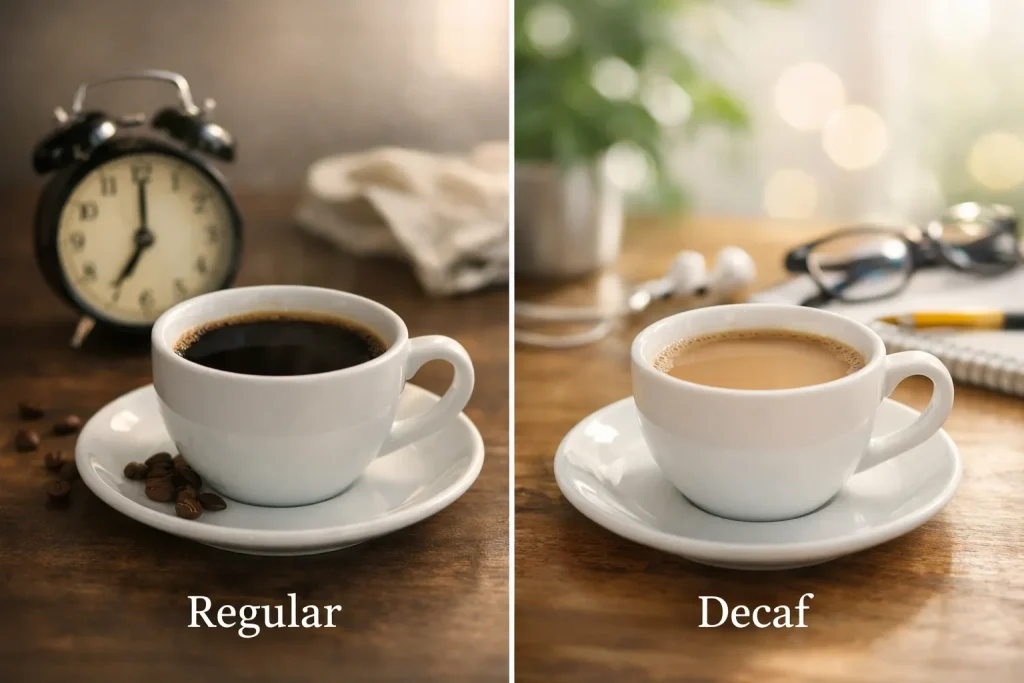
Choose decaf beans with fresh roast dates, a clean decaffeination method, and the roast level you like. Use clean equipment, correct grind size, and shorter brew times to keep flavor bright without bitterness.
Choosing High-Quality Beans
Pick beans labeled with the decaffeination process: Swiss Water or CO2 are best for flavor and fewer chemical residues. Look for a roast date on the bag and buy within 2–6 weeks of roasting for peak aroma.
Choose single-origin or well-reviewed specialty blends if you want distinct flavor notes like chocolate, citrus, or caramel. If you care about chemicals, check for organic certification. Whole beans keep flavor longer than pre-ground; grind right before brewing.
Use this quick comparison table to decide which beans match your needs:
| Decaf Type | Flavor | Best for | Notes |
| Swiss Water | Clean, true coffee notes | Home brewing, espresso | No solvents; good for sensitive drinkers |
| CO2 Process | Preserves oils and aroma | Specialty shops, high-end beans | Expensive but flavorful |
| Solvent-based | Can be muted | Value options | Often cheaper; check roasting quality |
Brewing Tips for Better Flavor
Match grind size to your brew method: coarse for French press, medium for drip, fine for espresso. Inconsistent grind causes weak or bitter cups, so use a burr grinder if possible.
Control water temperature and time: 195–205°F (90–96°C) works for most methods. Steep 3–4 minutes for drip or pour-over; 4–5 minutes for French press. Shorter brew times help avoid over-extraction since decaf can extract differently than regular coffee.
Measure precisely: use about 15–18 grams of coffee per 250 ml (8 oz) of water as a starting point. Rinse filters and preheat your brewer to keep temperature steady. Taste and adjust grind, dose, or time until the cup feels balanced to you.
FAQS
What is decaf coffee?
Decaf coffee is coffee with most of its caffeine removed. It still contains small amounts of caffeine, usually about 2–3% of a regular cup.
Will decaf give me the same health benefits as regular coffee?
Yes, decaf keeps many antioxidants and may offer similar benefits for liver and heart health. It removes most caffeine-related side effects like jitteriness and sleep disruption.
Is decaf safe for people sensitive to caffeine?
Yes. If you get anxiety, fast heartbeat, or trouble sleeping from caffeine, decaf can be a good choice. Talk to your doctor if you have specific health conditions.
How is decaf made?
Producers use water, solvents, or carbon dioxide to pull caffeine from the beans. Each method aims to keep flavor while reducing caffeine.
Does decaf taste different?
It can. Some flavors change during decaffeination, but high-quality decaf can still taste rich and balanced. Try different brands and roasts to find one you like.
Can you drink decaf all day?
Yes, you can drink decaf more freely than regular coffee because it has much less caffeine. Keep standard serving limits in mind if you are sensitive to other compounds.
Are there any downsides?
Trace caffeine remains, and flavor can vary. Some decaf processes use chemicals, so you might prefer brands that list their decaffeination method or use Swiss Water or CO2 processes.
Conclusion
Decaf coffee gives you many benefits of regular coffee while cutting most caffeine. You keep antioxidants and a pleasant ritual without the sleep or anxiety effects of caffeine.
If you have sensitivity, heart concerns, or want better sleep, decaf can fit your routine. It supports digestion and may lower some health risks, though effects are modest.
Choose decaf made with gentle processes and drink it in moderation. That helps you enjoy flavor and some health perks while avoiding caffeine’s downsides.