
How Does a Cold Brew Coffee Maker Work to Brew Perfect Coffee
This guide explains how a cold brew coffee maker works to create smooth, flavorful coffee by steeping grounds in cold water over time. You’ll learn the step-by-step process, practical tips, and troubleshooting advice to brew perfect cold brew coffee at home easily.
Key Takeaways
- Cold brewing uses cold water: It extracts coffee flavors slowly, resulting in smooth, less acidic coffee.
- Steeping time is key: Cold brew requires 12-24 hours of steeping for best flavor.
- Grind size matters: Coarse coffee grounds work best to avoid over-extraction and bitterness.
- Filtration is essential: A cold brew coffee maker includes a filter to separate grounds from liquid.
- Cold brew is versatile: It can be enjoyed cold, diluted, or heated without losing flavor.
- Cleaning the maker maintains taste: Regular cleaning prevents buildup and keeps coffee fresh.
- Troubleshooting common issues: Adjust grind size, steep time, or coffee-to-water ratio to fix weak or bitter brews.
How Does a Cold Brew Coffee Maker Work to Brew Perfect Coffee
If you love smooth, rich coffee without the bitterness or acidity, cold brew is a fantastic choice. But how exactly does a cold brew coffee maker work? In this guide, you’ll learn the science and process behind cold brewing, why it takes longer than hot brewing, and how you can master the steps to brew perfect coffee right at home.
By the end, you’ll understand the key components of a cold brew coffee maker, how to prepare your coffee for cold brewing, and practical tips to enhance your cold brew experience.
Understanding Cold Brew Coffee
Cold brew coffee is made by steeping coarsely ground coffee beans in cold or room temperature water for an extended period, usually between 12 and 24 hours. Unlike traditional hot brewing, it doesn’t use heat to extract flavors. This slow extraction process results in coffee that is smooth, less acidic, and naturally sweet.
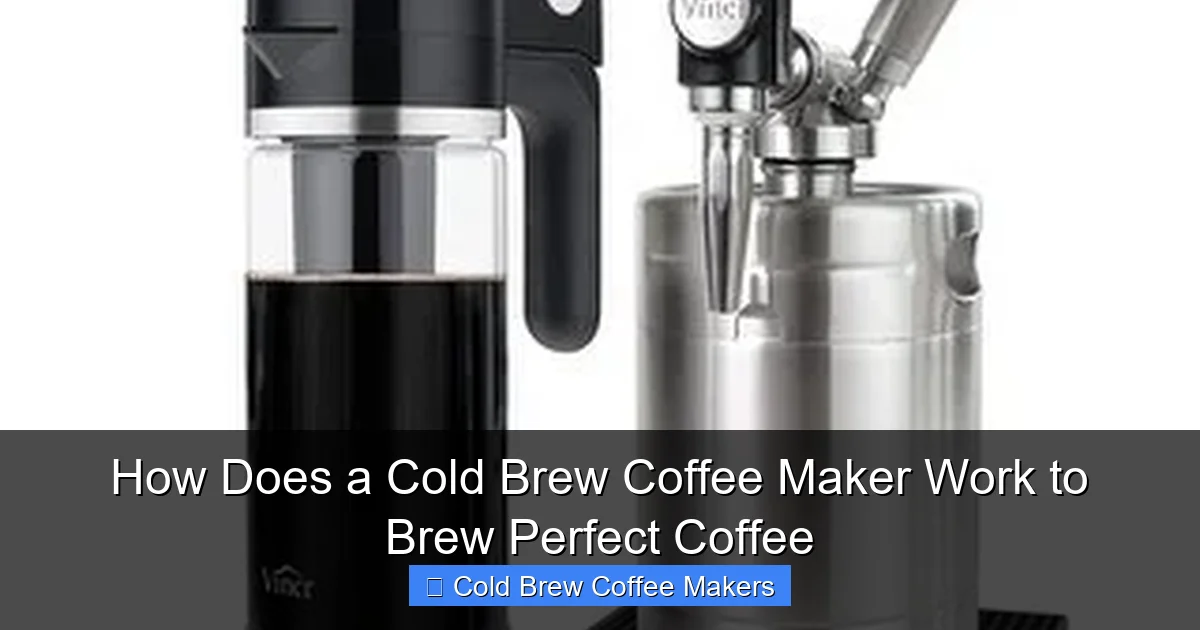
Visual guide about How Does a Cold Brew Coffee Maker Work to Brew Perfect Coffee
Image source: ak1.ostkcdn.com
The key to cold brew’s unique taste lies in how the water interacts with the coffee grounds over time. The cold water gently pulls out the desirable flavors while minimizing bitter compounds and acidity.
Step 1: Components of a Cold Brew Coffee Maker
Before brewing, it helps to know the parts of a cold brew coffee maker and how they function:
1. The Coffee Grounds Container
This is where you place the coarsely ground coffee. The container is often a mesh or perforated chamber that holds the coffee grounds but allows water to surround them fully.
2. The Water Reservoir
The larger outer container holds cold water. During brewing, water seeps slowly through the coffee grounds to extract the flavors.
3. The Filter
Filters separate the liquid coffee from the grounds once brewing is complete. Most cold brew makers have a built-in fine mesh filter or use paper filters.
4. The Collection Carafe
The brewed cold coffee collects here after filtering. It’s often a glass container with a spout for easy pouring.
Step 2: Choosing the Right Coffee and Grind Size
Select Fresh, Coarse Coffee Beans
Start with fresh whole beans for the best flavor. Light to medium roast beans are popular for cold brew due to their bright and balanced profiles.
Grind Coarsely
Coarse grinding is crucial. Fine grounds can over-extract and create bitter flavors. Think of the texture like coarse sea salt.
Step 3: Preparing Your Cold Brew Coffee Maker
Rinse the Filter
If your cold brew maker uses a paper filter, rinse it under cold water to remove any paper taste.
Add Coffee Grounds
Place the measured coarsely ground coffee into the grounds container. A common ratio is 1 cup of coffee grounds to 4 cups of water, but you can adjust based on strength preference.
Add Cold Water
Slowly pour cold, filtered water over the grounds to saturate them evenly. Fill the water reservoir up to the indicated level.
Step 4: Brewing Process
Steep for 12-24 Hours
Place the cold brew maker in the refrigerator or at room temperature and let the coffee steep. The longer you steep, the stronger and more concentrated the coffee will be.
Monitor and Adjust
If you find the coffee too weak after 12 hours, extend steeping up to 24 hours. Avoid brewing longer than 24 hours to prevent over-extraction.
Step 5: Filtering and Serving
Remove the Grounds Container
After steeping, remove the coffee grounds container carefully to avoid letting grounds mix with the brew.
Filter the Coffee
The cold brew maker’s built-in filter will separate most grounds. For extra clarity, you can pour the coffee through an additional fine mesh or paper filter.
Serve and Store
Pour the cold brew concentrate over ice or dilute with cold water, milk, or a milk alternative. Store leftover cold brew in a sealed container in the fridge for up to two weeks.
Practical Tips for Perfect Cold Brew Coffee
- Use filtered water to avoid off-flavors.
- Experiment with coffee-to-water ratios to find your preferred strength.
- Keep the maker sealed during brewing to preserve aromas.
- Try different roasts and blends to discover your favorite flavor profiles.
- Chill the carafe before serving for extra refreshing coffee.
Troubleshooting Common Cold Brew Issues
Weak or Watery Coffee
This usually means the coffee-to-water ratio is too low or the steeping time was too short. Use more coffee grounds or increase steeping time for a stronger brew.
Bitter or Overly Strong Coffee
Try coarse grinding the beans more, shorten the steeping time, or reduce coffee quantity. Over-extraction causes bitterness.
Grainy or Sediment in Coffee
Use a finer filter or double-filter the coffee before serving. Make sure the grounds are coarsely ground to prevent passing through filters.
Off or Unpleasant Flavors
Clean your cold brew maker regularly. Old coffee oils and residues can spoil the taste.
Conclusion
Now you know exactly how a cold brew coffee maker works to create that smooth, delicious coffee you love. By steeping coarsely ground coffee in cold water for 12 to 24 hours, cold brew makers slowly extract rich flavors while reducing acidity and bitterness. With the right coffee beans, grind size, and brewing time, you can enjoy café-quality cold brew coffee at home any day.
Follow the steps outlined here, experiment with ratios and steeping times, and don’t forget to clean your equipment regularly. Soon, brewing perfect cold brew coffee will be second nature.
🎥 Related Video: Everything I Learned About Cold Brew Coffee
📺 James Hoffmann
For a free trial with Shopify, you can use my link: http://shopify.com/jameshoffmann *For an audio version with no slurping, click on …

