
Electric Milk Frother Daily Use Tips for Perfect Froth Every Time
Discover easy and effective electric milk frother daily use tips to create creamy, smooth froth every time. This guide walks you through simple steps, maintenance advice, and troubleshooting tricks to help you get the best from your frother.
Key Takeaways
- Regular Cleaning: Clean your frother after each use to maintain froth quality and prolong device life.
- Use Cold, Fresh Milk: Cold milk froths better and creates creamier foam for your drinks.
- Choose the Right Milk Type: Whole milk creates richer froth, while plant-based options vary in froth quality.
- Proper Frothing Technique: Follow the device instructions carefully and avoid overfilling.
- Preheat for Best Results: Some frothers work better when preheated or when milk is slightly warmed.
- Troubleshooting Common Issues: Address uneven froth or no froth by checking milk temperature and frother cleanliness.
- Store Carefully: Keep your frother dry and store it safely to prevent damage.
Electric Milk Frother Daily Use Tips for Perfect Froth Every Time
If you love café-style drinks at home, an electric milk frother is a must-have. But to get that perfect, creamy froth every time, you need more than just the device—you need to know the right daily use tips. In this guide, you will learn how to use your electric milk frother effectively, maintain it properly, and troubleshoot common problems so you can enjoy frothy lattes, cappuccinos, and more, whenever you want.
1. Understanding Your Electric Milk Frother
Before diving into daily use tips, it’s important to understand your electric milk frother’s basics. Most electric frothers work by spinning a whisk inside the milk to incorporate air, creating foam. Some models heat the milk while frothing, while others froth cold milk. Knowing your device’s features will help you use it correctly and get the best results.
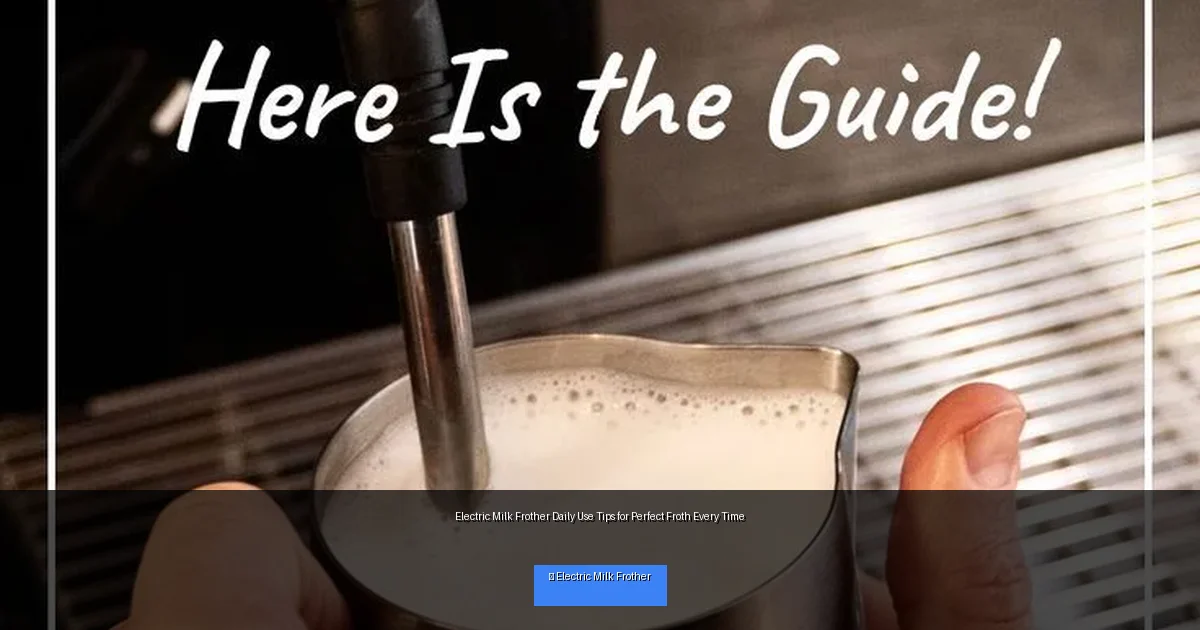
Visual guide about Electric Milk Frother Daily Use Tips for Perfect Froth Every Time
Image source: i.pinimg.com
2. Choosing the Right Milk for Frothing
Whole Milk vs. Low-fat Milk
Whole milk contains more fat, which produces a creamier, thicker froth. Low-fat or skim milk creates lighter, airier foam but may lack richness.
Plant-Based Milk Options
Almond, soy, oat, and coconut milks can be frothed but vary in texture. Oat milk tends to froth well and taste creamy, while almond milk may produce lighter foam. Experiment to find your favorite.
Use Fresh, Cold Milk
Always use fresh, cold milk for the best froth. Cold milk froths better because the proteins and fats are better preserved, allowing air to be trapped effectively.
3. Preparing Your Milk Frother for Use
Clean Before Each Use
Residue from previous frothing sessions can affect taste and froth quality. Quick rinse or wipe the frother before starting.
Check Milk Capacity
Never overfill your frother. Use the maximum fill line marked inside the container to avoid spills and ensure even frothing.
4. Step-by-Step Frothing Process
Step 1: Pour Milk into the Frother
Pour cold milk into the frother, staying below the max fill line.
Step 2: Attach the Lid and Start Frothing
Secure the lid tightly. Turn on the frother according to the instructions. Most devices have separate settings for hot froth, cold froth, and just heating milk.
Step 3: Let the Frother Work
Allow the device to froth for the recommended time, usually 1-3 minutes. Avoid opening the lid during operation.
Step 4: Pour and Enjoy
Once done, carefully remove the lid and pour the frothy milk over your coffee or beverage. Use a spoon to hold back the foam if you want mostly steamed milk first, then add foam on top.
5. Tips for Better Froth Every Time
- Preheat the Frother: If your device allows, preheat it before adding milk for more consistent foam.
- Use Fresh Milk Each Time: Avoid reheating or reusing milk as it reduces froth quality.
- Control Milk Temperature: Milk that is too hot or too cold may not froth well. Aim for about 60-65°C (140-150°F) if heating.
- Use the Right Frothing Attachment: Some frothers come with different whisks—choose the whisk designed for your desired froth type (hot or cold).
- Tap Frother Gently: After frothing, tap the container on the counter to break large bubbles for creamier froth.
6. Cleaning and Maintenance
Clean Immediately After Use
Rinse the frother with warm water right after use. Use a soft cloth or sponge to wipe the inside and the whisk. Avoid abrasive cleaners.
Deep Cleaning Weekly
Once a week, wash the frother thoroughly with mild soap and warm water. Dry completely before storing.
Check for Wear and Tear
Inspect the whisk and lid for any damage. Replace parts if the frother does not work properly.
7. Troubleshooting Common Frothing Issues
Problem: No Froth or Weak Froth
- Cause: Milk too warm or old; whisk dirty or worn out.
- Solution: Use fresh, cold milk and clean the whisk. Replace if necessary.
Problem: Froth is Large Bubbled and Not Creamy
- Cause: Over-aeration, milk type not suitable.
- Solution: Tap the container gently to break bubbles. Use whole milk or oat milk for creamier froth.
Problem: Frother Won’t Start
- Cause: Device not charged, power issue, or safety lock engaged.
- Solution: Check power connection, charge the frother if cordless, and ensure lid is tightly closed.
8. Storing Your Electric Milk Frother
Store your frother in a dry place. Ensure it is completely dry to avoid mold or odors. If your frother is cordless, keep it charged but avoid overcharging.
Conclusion
Getting perfect froth every time with your electric milk frother is easy once you follow these daily use tips. Remember to use fresh milk, clean your device regularly, and follow the right frothing techniques. With a little care and practice, you’ll enjoy creamy, delicious froth for all your favorite drinks. Happy frothing!
🎥 Related Video: 5 Tips On How To Froth Milk For Beginners | Complete Guide
📺 Zulay Kitchen
Complete Guide to Milk Frothing: 5 tips on how to froth milk for beginners by Zulay Kitchen. On Amazon: …
