
Why Is My Electric Milk Frother Not Frothing Common Causes Explained
If your electric milk frother is not frothing, there are common reasons behind it such as milk type, temperature, or device issues. This guide explains why your frother might fail and how to fix it so you can enjoy creamy, frothy milk every time.
Key Takeaways
- Milk type matters: Using the right milk with suitable fat and protein content is crucial for good froth.
- Temperature is key: Milk that is too cold or too hot won’t froth properly.
- Cleanliness affects performance: Residue buildup can prevent frothing action.
- Proper assembly is essential: Incorrectly placed whisk or parts hinder frothing.
- Device limitations: Some frothers only work with specific milk types or quantities.
- Power and battery issues: Low power or malfunction can cause frothing failure.
- Regular maintenance helps: Keeping your frother clean and checking parts ensures consistent froth.
Why Is My Electric Milk Frother Not Frothing? Common Causes Explained
Electric milk frothers are wonderful devices that let you create barista-quality foam at home. But it’s frustrating when your frother stops working or fails to produce that creamy foam you love. If you’ve asked yourself, “Why is my electric milk frother not frothing?”, you’re in the right place. In this guide, you’ll learn the common reasons why your frother might be underperforming and practical steps to fix it.
We’ll cover everything from milk selection to device maintenance, troubleshooting, and tips to get perfect froth every time. Let’s dive in!
Step 1: Check the Type of Milk You’re Using
Why Milk Type Matters
Not all milk froths equally. Milk froth depends on proteins and fat content. Whole milk, with higher fat, tends to produce richer, creamier froth. Low-fat or skim milk can froth but usually creates lighter, airier foam. Plant-based milks like almond, oat, or soy vary widely in frothing ability.
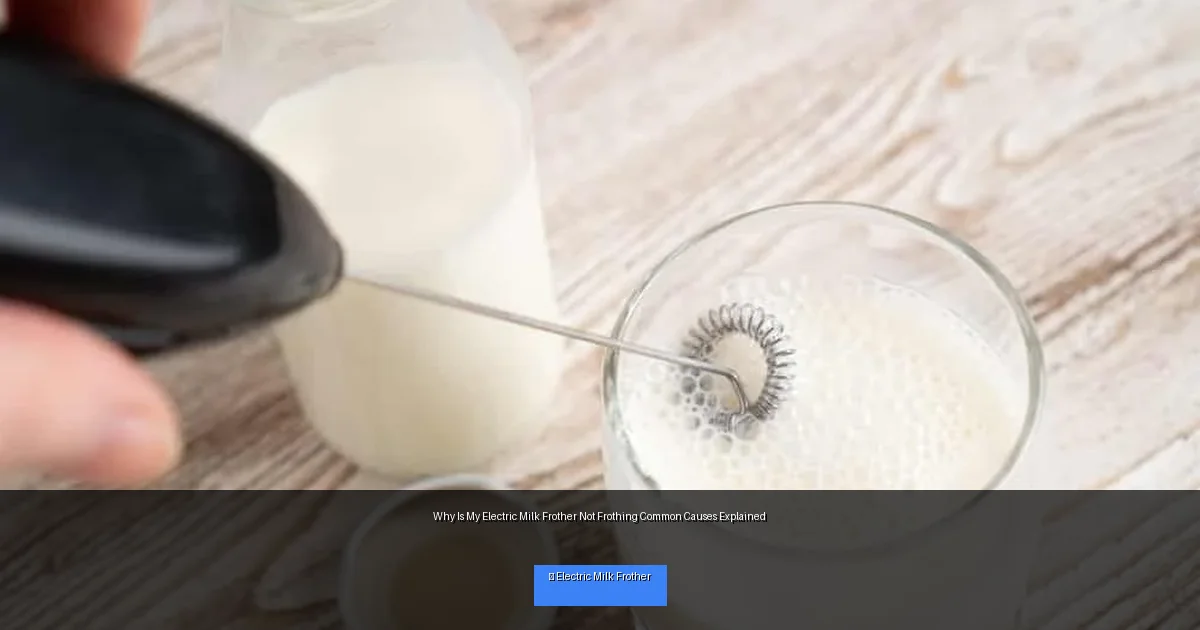
Visual guide about Why Is My Electric Milk Frother Not Frothing Common Causes Explained
Image source: missvickie.com
Tips for Choosing Milk
- Use fresh, cold milk: Fresh milk froths better than milk nearing its expiry.
- Try whole or 2% milk: These provide a good balance of creaminess and foam.
- For plant-based milk: Look for barista blends designed for frothing.
If your frother isn’t frothing, test with a different milk type to see if that’s the issue.
Step 2: Ensure Milk Temperature Is Optimal
Ideal Temperature for Frothing
The temperature of the milk greatly affects froth quality. Milk that’s too cold won’t foam well, and milk that’s too hot can scald, ruining texture.
How to Get the Temperature Right
- Start with cold milk: Refrigerated milk around 40°F (4°C) is best.
- Heat milk to around 140°F (60°C): This is the optimal temperature for frothing.
- Use a thermometer: If your frother doesn’t heat, warm the milk separately before frothing.
Many electric frothers have a heating function, but if yours doesn’t, preheating milk helps the frothing process.
Step 3: Inspect the Frother’s Whisk and Assembly
Check the Whisk Attachment
The whisk is the heart of the frother. If it’s missing, broken, or improperly attached, frothing won’t happen.
Steps to Inspect and Fix
- Remove the whisk: Check for damage or buildup.
- Clean it thoroughly: Residue can block whisk movement.
- Reattach firmly: Ensure it’s securely locked in place.
An incorrectly assembled frother will fail to spin the whisk and create foam.
Step 4: Clean Your Electric Milk Frother Regularly
Why Cleaning Matters
Milk residue can build up inside the frother, especially around the whisk and inner walls. This buildup affects whisk movement and heating efficiency.
How to Clean Properly
- Unplug your frother: Always disconnect before cleaning.
- Hand wash the whisk and lid: Use warm, soapy water.
- Wipe the inside: Use a damp cloth to clean the container’s interior.
- Dry all parts fully: Moisture can cause electrical issues and mold.
Regular cleaning keeps your frother working smoothly and prolongs its life.
Step 5: Verify Power and Battery Issues
Power Supply Problems
If your frother isn’t turning on or starting the whisk, the problem could be electrical.
How to Check Power
- Ensure it’s plugged in: For corded models, check the outlet and plug.
- Charge the battery: For cordless models, confirm the battery is charged.
- Inspect cables: Look for frayed wires or damage.
- Test the switch: Sometimes switches wear out and fail.
Addressing power issues can restore frother function instantly.
Step 6: Use the Correct Milk Quantity
The Impact of Milk Volume
Overfilling or underfilling your frother can cause frothing failure. Each model has recommended minimum and maximum milk levels.
How to Use Proper Milk Amount
- Check user manual: Find exact milk volume recommendations.
- Fill between min and max marks: Avoid too little or too much milk.
- Practice with different amounts: You may find your frother works best at a specific fill level.
Proper milk quantity ensures enough space for air incorporation and frothing.
Troubleshooting Common Issues
Frother Whisk Doesn’t Spin
- Check power supply and battery.
- Ensure whisk is attached correctly.
- Clean any residue blocking the whisk.
- If issues persist, contact manufacturer support.
Milk Froth Is Weak or Thin
- Try a different milk type or brand.
- Warm milk to the ideal temperature.
- Clean the frother thoroughly.
Device Overheats or Shuts Off
- Do not exceed maximum milk levels.
- Allow frother to cool between uses.
- Inspect for electrical faults.
Practical Tips for Perfect Frothing
- Use fresh milk daily: Avoid using milk left out for long periods.
- Experiment with plant-based milks: Barista blends offer better froth.
- Warm milk before frothing if your device doesn’t heat: Just avoid scalding.
- Clean after every use: Prevent residue buildup that damages frothing.
- Follow manufacturer guidelines: Use recommended milk amounts and cleaning instructions.
Conclusion
When your electric milk frother is not frothing, it’s usually due to simple, fixable reasons. By selecting the right milk, maintaining optimal temperature, ensuring proper assembly and cleanliness, and checking power and milk quantity, you can restore your frother’s performance quickly. Regular care and attention keep your device frothing beautifully for years.
Next time you wonder, “Why is my electric milk frother not frothing?”, revisit these steps and tips. With a little troubleshooting, you’ll be back to enjoying delicious, frothy coffee drinks in no time!
🎥 Related Video: Frother repair trick #shorts
📺 Sid Simple DIY
Whenever the spring pops off of your milk for author, the simple video show you how to fix it. You can very carefully pull the plastic …
