
Why Is My Electric Milk Frother Not Working Troubleshooting Tips
If your electric milk frother is not working, don’t worry. This guide provides easy troubleshooting steps to help you identify and solve common problems, so you can enjoy perfectly frothed milk again in no time.
Key Takeaways
- Check the power source: Ensure your frother is properly plugged in or charged to rule out power issues.
- Inspect the frother’s components: Look for damaged or loose parts that may affect performance.
- Clean the frother regularly: Milk residue buildup can prevent the frother from working correctly.
- Use the right type of milk: Different milks froth differently; whole and low-fat milk work best.
- Follow manufacturer instructions: Using the frother incorrectly can cause malfunctions.
- Troubleshoot motor and heating issues: Identify if the motor or heating element needs repair or replacement.
- Know when to seek professional help: Some problems require expert repair or replacement.
Why Is My Electric Milk Frother Not Working Troubleshooting Tips
Electric milk frothers are a fantastic kitchen gadget that helps you create creamy, frothy milk for your coffee, lattes, and hot chocolate. But when your milk frother stops working, it can be frustrating. This guide will teach you why your electric milk frother might not be working and how to fix common problems quickly.
How Electric Milk Frothers Work
Before we dive into troubleshooting, it helps to understand how your electric milk frother works. Most electric frothers use a small motor to spin a whisk or frothing disk inside the container. Some also have a heating element to warm the milk while frothing. Proper power supply, clean parts, and correct usage all affect the frother’s performance.
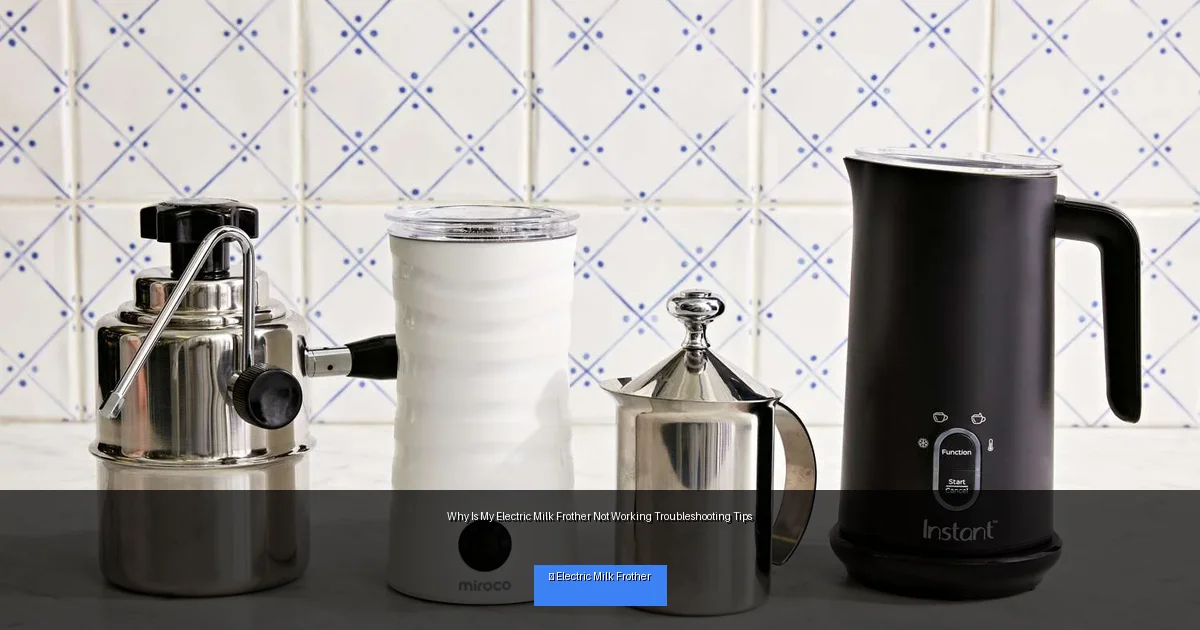
Visual guide about Why Is My Electric Milk Frother Not Working Troubleshooting Tips
Image source: thespruceeats.com
Step 1: Check the Power Source
Ensure Proper Connection
First, check that your frother is correctly plugged into an outlet or that its batteries are fresh if it’s cordless. Sometimes the issue is as simple as a loose connection or dead batteries.
Test the Outlet or Charging Base
Try plugging another device into the same outlet to make sure it’s working. If your frother uses a charging base, ensure the base is receiving power and that the frother is seated properly.
Step 2: Inspect the Frother Components
Look for Physical Damage
Examine the frother for cracked parts, broken whisks, or loose components. Damage to the whisk or motor shaft can stop the frother from spinning.
Check the Lid and Seal
If your frother has a lid, make sure it fits tightly. Some models have safety features that prevent operation if the lid isn’t properly secured.
Step 3: Clean Your Electric Milk Frother Thoroughly
Remove Milk Residue
Milk can build up around the whisk and heating elements, causing the frother to jam or not heat properly. Regular cleaning prevents this problem.
Use the Right Cleaning Methods
Use warm soapy water and a soft sponge or brush to clean removable parts. Never submerge the motor base in water. Follow your frother’s cleaning instructions to avoid damage.
Step 4: Use the Correct Milk Type
Understand Milk Frothing Compatibility
Whole milk and low-fat milk froth best because of their protein and fat content. Skim milk or non-dairy alternatives like almond milk may not froth as well, leading to disappointing results.
Check Milk Temperature
Use cold or room temperature milk for the best froth. Some frothers heat the milk themselves, so starting with cold milk ensures proper temperature control.
Step 5: Follow Manufacturer Instructions Closely
Read the User Manual
Each electric milk frother has specific instructions on operation and maintenance. Using the frother for purposes outside those guidelines can cause it to malfunction.
Avoid Overfilling
Overfilling the frother can prevent the whisk from spinning and cause leaks. Always fill the milk only up to the maximum level indicated.
Step 6: Troubleshoot Motor and Heating Issues
Listen for Motor Sounds
If your frother doesn’t start, listen for humming or clicking noises. A humming motor without spinning might indicate a stuck rotor.
Check Heating Function
If your frother spins but doesn’t heat milk, the heating element might be faulty. This could require professional repair.
Step 7: When to Seek Professional Help or Replace Your Frother
Identify Serious Problems
If your frother still doesn’t work after troubleshooting, it might have electrical faults or motor failure. Attempting repairs yourself can be dangerous.
Consider Warranty and Replacement
Check if your frother is under warranty for free repairs or replacement. Otherwise, it may be more cost-effective to buy a new frother.
Additional Tips for Maintaining Your Electric Milk Frother
- Clean immediately after each use to prevent milk residue buildup.
- Use filtered water to rinse parts and avoid mineral deposits.
- Store the frother properly in a dry place to prevent damage.
- Avoid harsh detergents and abrasive tools that can damage surfaces.
Troubleshooting Common Issues
Frother Won’t Turn On
- Check power connection or battery charge.
- Ensure the lid is securely closed.
- Inspect for any visible damage.
Frother Spins but Doesn’t Froth Milk
- Use fresher or different types of milk.
- Clean whisk and container thoroughly.
- Do not overfill milk beyond max level.
Frother Heats but Does Not Spin
- Check for stuck or damaged whisk.
- Gently clean any milk residue blocking the motor.
- Consult a technician if motor is faulty.
Conclusion
An electric milk frother not working can be disappointing, but most issues are easy to fix. By checking power, cleaning regularly, using the right milk, and following instructions, you can keep your frother working perfectly. If problems persist, don’t hesitate to seek professional help or consider replacement. With proper care, your electric milk frother will deliver creamy froth for years to come.
🎥 Related Video: Frother repair trick #shorts
📺 Sid Simple DIY
Whenever the spring pops off of your milk for author, the simple video show you how to fix it. You can very carefully pull the plastic …

