
You reach for coffee because it makes you feel sharper, more focused, and ready to move through the day. It wakes your body and mind, fits into social rituals, and tastes good enough to become a habit.
Coffee also links you to history, culture, and simple routines that save time and lift mood. Ethan Cole from Webrewcoffee.com shows how small brewing choices—bean type, grind, and technique—change both flavor and daily benefit, so you get the boost you want without extra fuss.
Key Takeaways
- Coffee gives a reliable mental and physical lift you can control with how you brew it.
- Social and cultural habits make coffee a steady part of many daily routines.
- Simple brewing choices shape flavor, effects, and how coffee fits your life.
Cultural and Historical Significance
Coffee began as a regional drink and grew into a force that shaped trade, religion, and daily habits. People used it for energy, ritual, and social gathering, and those uses spread with merchants, religious orders, and colonial trade networks.
Origins of Coffee Consumption
Legends place coffee’s discovery in Ethiopia, where shepherds noticed increased alertness after animals ate the berries. By the 15th century, Yemeni Sufi monks brewed coffee to stay awake during night prayers, tying the drink to spiritual practice.
Trade from Arabian ports moved coffee into the Ottoman Empire and North Africa. Early coffeehouses formed in cities like Mecca and Istanbul as places for conversation, news, and learning. Those venues helped shape coffee’s role beyond a simple stimulant.
Evolution of Coffee in Society
In 17th-century Europe, coffeehouses became centers for business, politics, and science. Merchants, writers, and bankers met over coffee, which helped spread ideas and support new institutions like stock exchanges and clubs.
Colonial expansion turned coffee into a global commodity. Plantations in the Americas and Asia changed economies and labor systems. Industrialization later pushed coffee into daily routines, as workers used it for focus during long shifts.
Global Coffee Traditions
Ethiopia retains a formal coffee ceremony that emphasizes roasting, brewing, and shared cup rituals, symbolizing hospitality and community. In Italy, espresso culture centers on quick, standing-bar service and precise extraction methods.
In Scandinavia, fika in Sweden blends coffee with social pause and cakes, while Turkish coffee uses finely ground beans boiled in a cezve, often with cardamom. Latin American countries pair coffee with family meals and local brewing styles like cafecito or pour-over. These traditions show how coffee adapts to local tastes and social needs.
Physiological Effects of Coffee
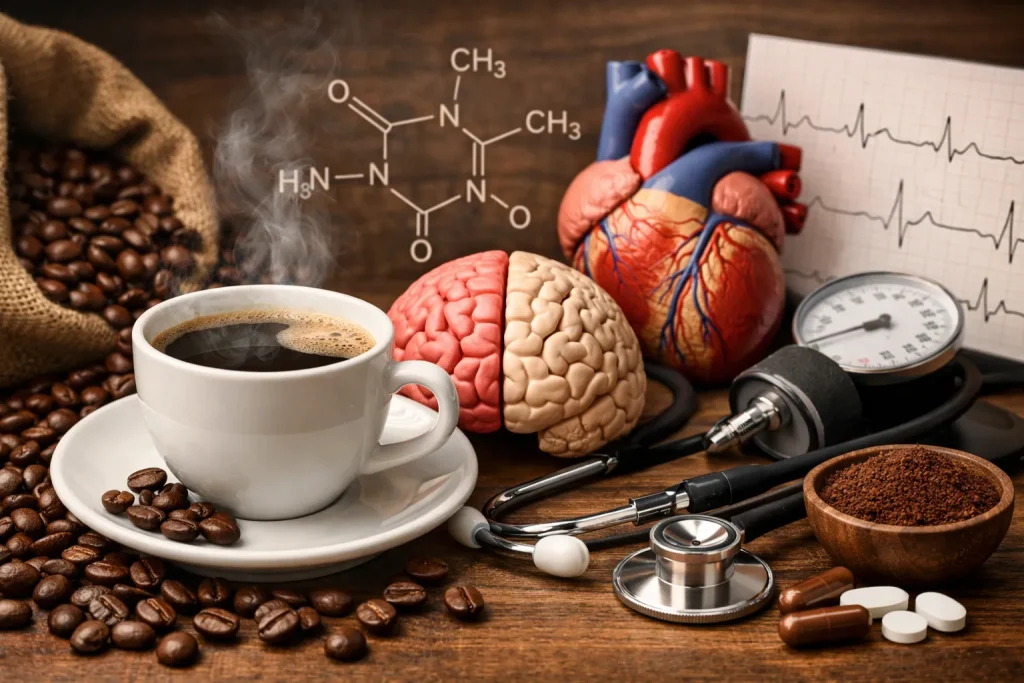
Coffee affects the brain, mood, and body in measurable ways. It raises alertness, can lift mood for many people, and often helps with short-term physical performance.
Caffeine and Alertness
Caffeine blocks adenosine receptors in the brain, which reduces feelings of tiredness. This action increases neural activity and boosts release of stimulatory neurotransmitters like dopamine and norepinephrine, improving attention and reaction time for several hours.
The typical effective dose for alertness is about 40–300 mg, roughly one strong cup to three standard cups. People vary in sensitivity because of genetics and regular use. Tolerance can build with daily intake, so the same dose gives less effect over time.
Timing matters: caffeine works quickly, within 15–45 minutes, and peaks around 30–60 minutes. It can disrupt sleep if taken late in the day, so many limit intake to mornings or early afternoons.
Mood Enhancement
Caffeine can elevate mood by increasing dopamine signaling in brain regions tied to reward and motivation. Moderate consumption often links to lower rates of depression and better short-term feelings of well-being in observational studies.
Effects differ by dose and person. Low-to-moderate amounts (about 100–400 mg daily) tend to help mood, while very high doses can cause anxiety, jitteriness, or irritability. People on certain medications or with anxiety disorders may feel negative effects at lower amounts.
Regular drinkers often report ritual and social benefits that also support mood. Those non-habitual or caffeine-sensitive may experience stronger emotional swings after intake.
Impact on Physical Performance
Caffeine stimulates the nervous system and increases adrenaline, which can improve strength, endurance, and power for many athletes. Typical ergogenic doses range from 3–6 mg per kilogram of body weight taken about 30–60 minutes before activity.
It can reduce perceived exertion and improve focus during exercise. Caffeine also helps mobilize fatty acids, which may spare muscle glycogen during longer endurance efforts.
Responses vary: some see clear performance gains, others notice little change. Side effects like stomach upset, rapid heartbeat, or sleep disruption can offset benefits, so athletes often test timing and dose in training rather than competition.
Psychological and Emotional Reasons
The emotional pull of coffee mixes habit, comfort, and connection. People often reach for coffee for routine, to feel calmer, or to bond with others.
Daily Rituals and Habits
Many people build a predictable morning routine around coffee. They measure beans, use a favorite mug, and time brewing to match their schedule. These small actions signal the brain that the day has begun and help task-switch from sleep to work.
Cues and repetition strengthen the habit. The smell of freshly ground coffee or the hiss of a machine triggers anticipation and focus. Studies show that predictable rituals can reduce decision fatigue, making simple choices feel easier.
People also use coffee as a timed pause during the day. A mid-morning cup marks a natural break for attention reset. For those who work shifts, coffee rituals anchor irregular schedules and offer a sense of control.
Comfort and Relaxation
Coffee often serves as a calming sensory experience. The warmth of a cup, bitter-sweet flavors, and familiar aromas create a soothing effect for many people. These sensory cues can reduce stress for a short time.
Beyond sensation, coffee links to memories. A person may recall family breakfasts or quiet weekend mornings while sipping, which adds emotional comfort. For some, the act of slowing down to taste a cup provides deliberate self-care.
Caffeine can improve mood and alertness, but people mainly value coffee for the immediate comfort it offers. When anxiety is present, some choose decaf or smaller servings to get the comfort without a strong stimulant effect.
Social Connections
Coffee often acts as a social lubricant and meeting point. People meet at cafes to talk, study, or work together. The setting gives structure to conversation and reduces awkwardness in new encounters.
Shared coffee habits create identity and group bonds. Colleagues bonding over a coffee break form routines that improve teamwork. Friends who meet weekly at the same café maintain relationships through a predictable ritual.
Coffee shops also provide a public space for brief social contact. Solo customers may share smiles with baristas or overhear conversations, which can ease loneliness. Linking to resources like the American Psychological Association can help readers explore social rituals and well-being further.
Flavor and Sensory Appeal
Coffee draws people through its smell, mouthfeel, and flavor complexity. Aroma often signals quality and freshness, while taste and texture determine whether a cup feels pleasing, familiar, or exciting.
Aromatic Qualities
Aroma triggers memory and mood quickly because volatile compounds reach the nose before the first sip. Freshly ground Arabica beans release floral, fruity, and chocolate notes from compounds like aldehydes and esters. Roasts add caramel, nut, and toasted scents as sugars and amino acids react.
Baristas and roasters use smell to judge roast degree and bean quality. Brewing method changes aroma release: pour-over highlights delicate floral and citrus notes, while espresso concentrates roasted and caramelized aromas. Cup presentation—cup color and weight—can also shift perceived aroma and expectation.
Taste Profiles
Taste comes from a balance of acidity, sweetness, bitterness, and body. Acidity gives brightness (think lemon or green apple), sweetness adds cocoa or brown sugar tones, and bitterness adds structure when not overwhelming. Body describes mouthfeel—thin, syrupy, or creamy—and affects perceived richness.
Processing and origin shape taste: washed Ethiopian beans often show floral acidity and tea-like clarity; Brazilian naturals tend toward chocolate and nutty sweetness. Brewing variables—grind size, water temperature, and extraction time—change which flavor compounds dissolve, so small adjustments alter the final cup significantly.
Health Perspectives
Coffee can change alertness, mood, and some health risks. It also contains antioxidants and other compounds that affect heart, brain, and metabolism.
Potential Benefits of Coffee Consumption
Coffee often raises alertness and reaction speed because of caffeine. Regular moderate intake — commonly 3 to 4 cups a day — links to lower rates of some chronic illnesses in large studies. Researchers report smaller risks of type 2 diabetes, Parkinson’s disease, and certain liver conditions among habitual coffee drinkers.
Coffee provides antioxidants such as chlorogenic acids. These compounds help reduce inflammation markers in blood and may protect cells over time. Some studies find lower all-cause mortality for people who drink coffee versus those who do not, after adjusting for smoking and other lifestyle factors.
People using caffeine for short-term focus or to counter sleepiness find reliable benefits. Effects vary by dose, genetics, and tolerance. Women who are pregnant and people taking certain medications should limit intake per medical guidance.
Risks and Considerations
Caffeine can cause anxiety, jitteriness, and sleep disruption, especially when consumed late in the day. Sensitive individuals may experience heart palpitations or raised blood pressure after high caffeine doses. Those with existing arrhythmias should consult a clinician about safe limits.
Excessive coffee intake can worsen reflux or stomach upset in some people. Added sugar, creamers, and flavored syrups increase calories and affect metabolic risk, so plain brewed coffee differs from specialty sugary drinks.
Pregnant people are advised to limit caffeine to recommended thresholds (often around 200 mg/day) because higher intake links to miscarriage and low birth weight risks. Medication interactions matter: some drugs change caffeine breakdown, raising its effects.
Economic and Practical Factors
Coffee fits into daily life because it is both cheap to buy and easy to get, and because it saves time for busy people. These forces shape who drinks coffee and how often.
Affordability and Accessibility
Many people choose coffee because a basic cup costs little. Grocery-store ground coffee, instant coffee, and vending-machine cups often cost far less per serving than bottled drinks or restaurant beverages. This makes coffee a cost-effective option for workers, students, and families on tight budgets.
Coffee shops are common in cities and towns, and supermarkets stock large, low-cost bags. Bulk buying, home brewing, and low-cost brands lower the per-cup price even more. Subsidized workplace coffee and free office pots further reduce cost, making coffee an affordable daily habit for many.
Convenience in Modern Lifestyles
Coffee fits tight schedules. Single-serve machines, instant packets, and drive-thru cafés let people get caffeine quickly between home, work, and errands. Preparing a cup takes minutes, which suits morning routines and short breaks.
People also use coffee to stay alert during long shifts or study sessions. Ready-to-drink cans and refrigerated bottles add portability. For commuters and shift workers, coffee’s speed and portability make it a practical choice that supports busy, time-pressed lives.
Coffee in Daily Life
People drink coffee to start their day and to stay alert through tasks. A single cup can lift focus quickly, making it a common tool for work and study.
Coffee also shapes daily rituals and social life. Friends meet at cafes, coworkers gather around the office coffee maker, and many pair a cup with morning routines.
Health and habit influence consumption choices. Moderate intake—about 3–4 cups for most adults—can fit into a healthy lifestyle, while timing and added ingredients affect sleep and calories.
Practical habits matter for enjoyment and effects. Brewing methods, strength, and milk or sugar change flavor and caffeine dose. Choosing black coffee or low‑sugar options reduces extra calories.
Common reasons for drinking coffee:
- Energy and alertness
- Routine and comfort
- Social connection
- Taste and variety
Workplaces and public spaces often provide coffee as a low-cost perk that boosts morale and short breaks. In many cultures, offering coffee signals hospitality and starts conversations.
People vary in sensitivity to caffeine, so habits differ widely. Some limit intake late in the day to preserve sleep, while others rely on a small morning cup to feel ready for the day.
FAQS
What does coffee do for the body?
Coffee mainly delivers caffeine, which raises alertness and reduces tiredness. It can also change mood, improve focus for a few hours, and slightly speed up metabolism.
Is coffee healthy or harmful?
Moderate coffee intake is linked to some health benefits for many people, such as lower risk for certain diseases. Too much caffeine can cause jitteriness, sleep problems, or raise heart rate in sensitive individuals.
How much coffee is safe?
Most adults can safely drink about 3–4 cups a day, depending on cup size and caffeine content. Pregnant people, those with certain health conditions, or people on specific medicines should ask a doctor.
Why do people enjoy coffee besides caffeine?
People enjoy coffee for taste, aroma, and ritual. It also serves as a social tool and a daily routine that signals the start of a workday or break.
Can coffee cause dependence?
Regular caffeine use can lead to mild physical dependence and withdrawal symptoms like headache or fatigue if stopped suddenly. These effects are usually short-lived and manageable.
Does coffee affect sleep?
Caffeine can reduce sleep quality and delay sleep onset if consumed late in the day. Sensitivity varies, so timing and amount matter.
Quick tips for drinking coffee wisely:
- Limit late-day cups.
- Watch added sugar and cream.
- Consider decaf if sensitive to caffeine.
Conclusion
People drink coffee for many linked reasons: energy, taste, habit, and social rituals. It boosts alertness through caffeine and offers familiar sensory comfort.
Coffee often marks routines and social ties. It helps people focus at work and connects them in cafes or at home.
Moderation matters for health and enjoyment. When used wisely, coffee supports daily life without large risks.