
Can You Use a Cold Brew Coffee Maker for Tea and How to Do It Right
Wondering if a cold brew coffee maker can be used for tea? Absolutely! This guide shows you how to brew smooth, flavorful cold brew tea using your coffee maker. Learn step-by-step tips and tricks to get the perfect cup every time with minimal effort.
Key Takeaways
- Cold brew coffee makers are versatile: You can use them to make cold brew tea easily.
- Steeping time differs: Tea usually requires less steeping time than coffee in cold brew methods.
- Choose the right tea leaves: Loose leaf teas work best for cold brew to maximize flavor extraction.
- Adjust tea-to-water ratio: It’s important to tweak the amount of tea for a balanced taste.
- Use cold or room temperature water: Hot water is not needed for cold brew tea, preserving delicate flavors.
- Experiment with flavors: You can add herbs, fruits, or spices for unique cold brew tea blends.
- Clean your coffee maker well: To avoid flavor cross-contamination between coffee and tea brews.
Can You Use a Cold Brew Coffee Maker for Tea and How to Do It Right
If you love the refreshing taste of cold brew coffee and enjoy tea, you might be wondering: can you use a cold brew coffee maker for tea? The short answer is yes! Cold brew coffee makers are designed to steep grounds slowly in cold water, a process that also works wonderfully for tea leaves. This guide will walk you through everything you need to know to make delicious cold brew tea using your cold brew coffee maker.
Whether you want a smooth black tea, a delicate green tea, or a fruity herbal blend, cold brew tea is a gentle, flavorful way to enjoy tea without bitterness or acidity. Let’s dive into the step-by-step process, practical tips, and troubleshooting advice so you can master cold brew tea at home.
Step 1: Choose Your Tea
Not all teas are created equal when it comes to cold brewing. Here’s how to pick the best tea for your cold brew coffee maker:
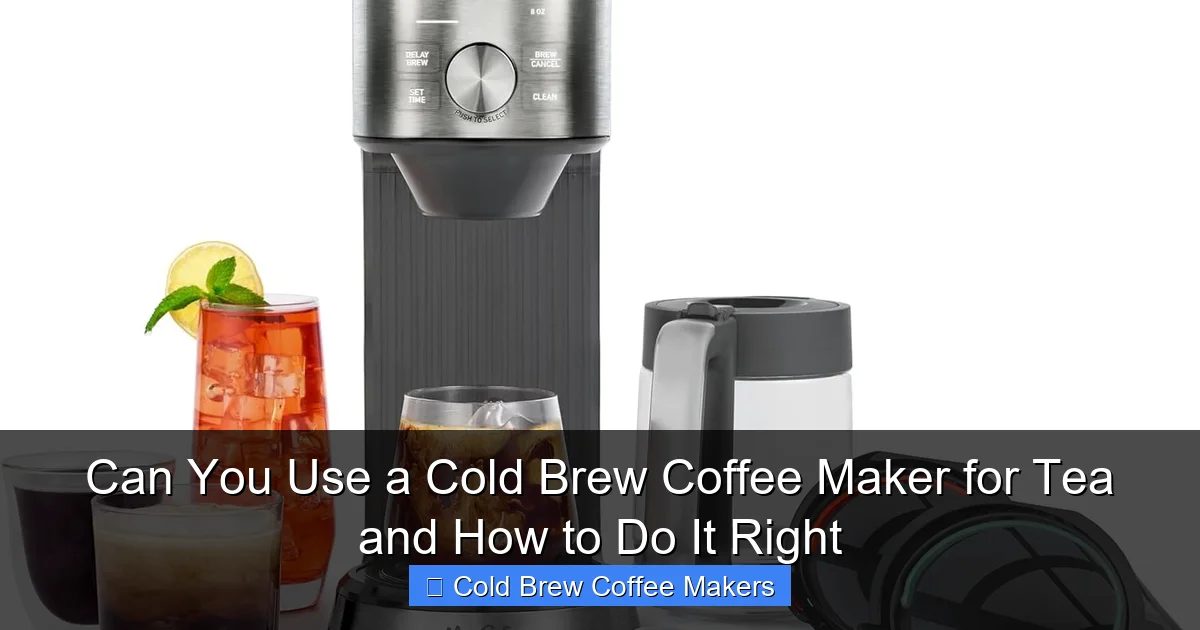
Visual guide about Can You Use a Cold Brew Coffee Maker for Tea and How to Do It Right
Image source: m.media-amazon.com
Loose Leaf vs. Tea Bags
Loose leaf tea is preferred for cold brewing because the larger leaves allow for better water flow and more nuanced flavor extraction. Tea bags can work, but may produce a weaker brew.
Types of Tea to Try
- Black Tea: Bold and robust, perfect for iced tea lovers.
- Green Tea: Refreshing and light, with grassy notes.
- Oolong Tea: Offers complexity somewhere between black and green tea.
- Herbal Tea: Great for caffeine-free options, such as chamomile or hibiscus.
Experiment with your favorites to find what suits your taste.
Step 2: Measure Your Tea and Water
Getting the right balance of tea to water is key to a great cold brew tea.
Recommended Ratios
- Use about 1 to 1.5 tablespoons of loose leaf tea per 8 ounces (1 cup) of cold water.
- Adjust according to taste—more tea for stronger flavor, less for lighter brew.
Why Ratios Matter
Too little tea results in a weak, watery drink, while too much can make it bitter or overpowering. Start with the recommended ratio, then tweak it in future batches.
Step 3: Prepare Your Cold Brew Coffee Maker
Before brewing tea, ensure your cold brew coffee maker is clean. If you’ve been using it for coffee, leftover oils can affect tea flavor.
Cleaning Tips
- Disassemble the coffee maker parts.
- Wash with warm soapy water and rinse thoroughly.
- Allow to air dry completely to avoid any mold or mildew.
Some coffee makers are dishwasher-safe—check your model’s instructions.
Step 4: Brew Your Cold Brew Tea
Now it’s time to brew!
Step 4.1: Add Tea Leaves
Place the measured tea leaves into the coffee maker’s filter or brewing basket.
Step 4.2: Add Cold Water
Pour cold or room temperature filtered water over the tea leaves, filling according to your coffee maker’s capacity.
Step 4.3: Steep in the Refrigerator
Seal the coffee maker and place it in the fridge. Steep for 6 to 12 hours depending on tea type:
- Black tea: 8-12 hours
- Green tea: 6-8 hours
- Herbal tea: 8-12 hours
Longer steeping extracts more flavor but can also increase bitterness, so experiment to find your perfect timing.
Step 4.4: Remove the Tea Leaves
Once brewed, remove the filter or basket with the tea leaves to prevent over-extraction.
Step 5: Serve and Enjoy
Your cold brew tea is ready! Pour it over ice or dilute with water or milk if desired.
Flavor Enhancements
- Add lemon, honey, or mint for extra freshness.
- Mix in fruit juices or fresh fruit slices for a fruity twist.
Practical Tips for Best Results
- Use fresh, high-quality tea: Old or stale tea leaves won’t produce great flavor.
- Filtered water improves taste: Avoid tap water with strong chlorine or minerals.
- Don’t rush the process: Cold brew tea needs time to develop flavor.
- Store brewed tea properly: Keep in a sealed container in the fridge for up to 3 days.
- Label your batches: If you make multiple flavors, label jars with tea type and brew date.
Troubleshooting Common Issues
Bitter or Strong Tea
If your tea tastes too bitter, reduce the steeping time or use less tea next time. Try rinsing tea leaves briefly with cold water before brewing to remove dust.
Weak or Watery Tea
Increase the amount of tea leaves or steep longer. Also, check that your tea is fresh and of good quality.
Cloudy Tea
Cloudiness is normal for cold brew tea and does not affect taste. To reduce cloudiness, strain the brew through a fine mesh or cheesecloth.
Off Flavors
Ensure your coffee maker is thoroughly cleaned to avoid residual coffee oils affecting the tea flavor.
Conclusion
Using a cold brew coffee maker for tea is an easy and effective way to enjoy smooth, refreshing cold brew tea at home. With just a few simple steps—selecting quality tea, measuring properly, steeping patiently in cold water—you can create delicious tea drinks tailored to your taste. Plus, it’s a great way to repurpose your coffee maker and experiment with flavors. Give it a try and discover the gentle, nuanced taste of cold brew tea made the right way!
🎥 Related Video: Easiest Way To Make Cold Brew Coffee At Home (Super Strong)
📺 Let’s talk about it
Cold Brew Maker From Amazon: https://amzn.to/3Usxv06 #ad #amazonaffiliate #earnscommissions.

