Does Decaf Coffee Have Caffeine — What You Need to Know Quickly
You might expect decaf to be caffeine-free, but that’s not the full story. Decaf coffee still contains a small amount of caffeine—usually a few milligrams per cup—so it’s a better choice if you want to cut caffeine, not eliminate it.
If you want coffee’s taste without the buzz, decaf can work well. Ethan Cole at Webrewcoffee.com points out that the decaffeination method and the brand you choose affect how much caffeine stays behind, so your cup can vary.
Key Takeaways
- Decaf keeps most flavor while reducing caffeine.
- Processing method and brand change the leftover caffeine level.
- Choose specific decaf types to lower caffeine further.
What Is Decaf Coffee?
Decaf coffee is regular coffee beans that undergo a process to remove most of their caffeine. The drink keeps much of coffee’s taste, aroma, and antioxidants while containing only trace amounts of caffeine.
Definition of Decaffeinated Coffee
Decaffeinated coffee is coffee made from beans that had most of their caffeine removed before roasting. Producers typically reduce caffeine by about 97% or more, leaving a small residual amount. A standard cup of decaf usually contains around 2–5 mg of caffeine, compared with 70–140 mg in a regular cup.
The decaffeination step happens while beans are still green, not after roasting. Methods include solvent extraction, the Swiss Water Process, and supercritical CO2. Each method targets caffeine while trying to keep flavor compounds intact.
People choose decaf for medical reasons, sleep sensitivity, or to avoid jitteriness while still enjoying coffee’s flavor and antioxidants. Labels like “decaf” or “decaffeinated” are used, but caffeine content can vary by brand and serving size.
How Decaf Coffee Differs From Regular Coffee
The main difference is caffeine level. Regular coffee keeps the natural caffeine in the bean; decaf removes most of it. This change affects how the drink impacts alertness, heart rate, and sleep.
Flavor can differ, but both types contain similar antioxidants and polyphenols that affect heart and metabolic health. Processing can slightly change aroma and taste, depending on the decaffeination method and roast profile.
Nutritionally, decaf and regular coffee are similar in calories and key compounds, with the primary practical difference being stimulant effects. People who need low-caffeine options often pick decaf for evening drinking or for medical reasons.
How Decaf Coffee Is Made
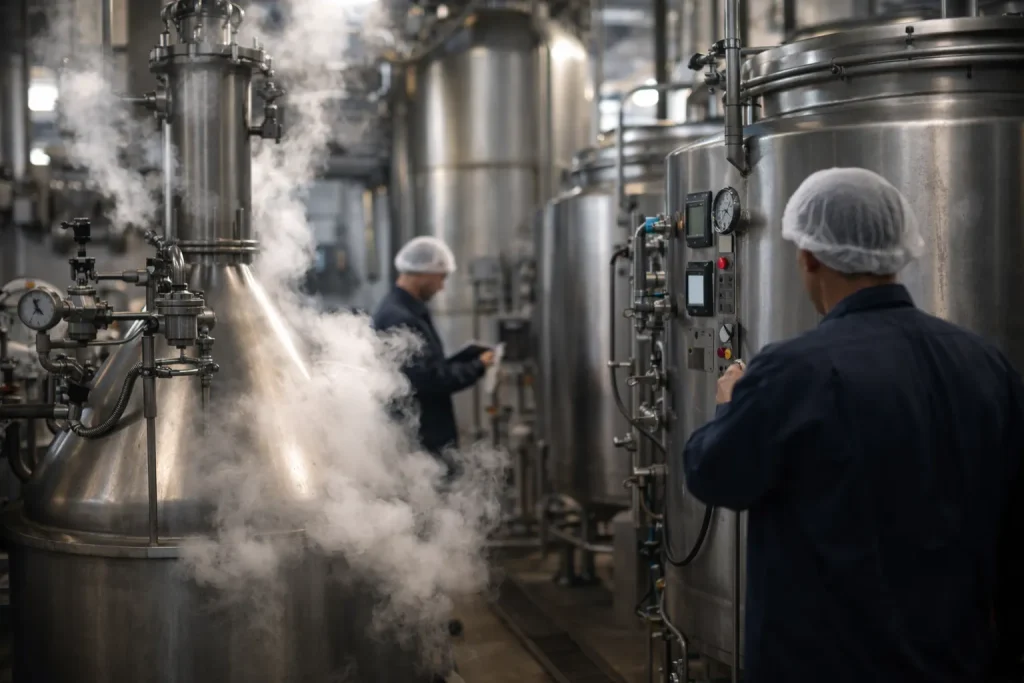
Decaf coffee starts as regular green coffee beans. The beans undergo processes that remove most of the caffeine while trying to keep flavor and aroma intact.
Overview of Decaffeination Processes
Decaffeination removes caffeine from green (unroasted) beans before roasting. Processors first soak or steam beans to open their pores so caffeine can be extracted. Solvents, water, or pressure then pull caffeine out; some methods target only caffeine, others also strip oils and compounds that affect flavor.
By law in many countries, decaf must have at least 97% of its caffeine removed, so a small amount usually remains. Producers balance caffeine removal with flavor retention by adjusting contact time, temperature, and the solvent or medium used.
Common Methods Used in Decaffeination
- Swiss Water Process: Uses only water and osmosis. Beans soak in hot water to dissolve caffeine and flavor. That water passes through a charcoal filter that traps caffeine but leaves flavor compounds. The same flavor-rich water (called Green Coffee Extract) then soaks new beans to remove caffeine without washing away taste. Learn more at Swiss Water Process.
- Solvent Methods (Methylene chloride or ethyl acetate): Beans steam, then contact a solvent that binds caffeine. Methylene chloride is used in industrial settings; ethyl acetate is sometimes marketed as a “natural” option because it can come from fruit. After extraction, beans are steamed again to remove solvent traces.
- Supercritical CO2: Uses carbon dioxide at high pressure and temperature to act like a solvent. CO2 selectively extracts caffeine and is favored for preserving flavor in larger batches.
Each method affects flavor differently and has trade-offs in cost, scalability, and perceived naturalness. Producers choose based on desired cup quality, equipment, and regulatory standards.
Does Decaf Coffee Contain Caffeine?
Decaf coffee is not caffeine-free. It contains small amounts of caffeine that vary by brand and brewing method, and those differences matter for people sensitive to caffeine.
Caffeine Levels in Decaf Coffee
Decaf usually keeps a tiny fraction of the original caffeine. A typical 8-ounce (240 ml) cup of decaf contains roughly 2–12 mg of caffeine. Some sources report averages near 5–7 mg, while stricter limits set by regulators aim for very low residual levels. The exact amount depends on the coffee bean, the decaffeination process, and the roast.
People who are highly sensitive to caffeine, pregnant, or taking certain medications should check specific product data. Brands sometimes list milligrams per serving. For technical details on decaffeination methods and their effects, see decaffeination on Wikipedia.
Comparing Caffeine Content With Regular Coffee
Regular coffee averages about 95 mg of caffeine per 8-ounce cup, though it ranges widely from 70–140 mg depending on bean and brew. That makes decaf roughly 90–99% lower in caffeine than regular coffee. In practical terms, drinking one cup of decaf delivers only a few milligrams compared with nearly 100 mg in a regular cup.
For people tracking intake, consider that espresso-based drinks or larger serving sizes increase total caffeine. For detailed industry context and standards, consult the World Coffee Research site.
Factors Affecting Caffeine Content in Decaf Coffee
Decaf coffee still carries small amounts of caffeine because many factors change how much remains. Bean type, processing method, and how much is served all matter for the final caffeine level.
Type of Coffee Bean
Different coffee species start with different caffeine levels. Arabica beans usually contain about half the caffeine of Robusta beans. If decaf starts from Robusta, it often keeps more residual caffeine than decaf made from Arabica.
Roast level matters less for caffeine removal but can change measured caffeine per scoop. Darker roasts lose some mass, so a scoop of dark roast can have slightly more caffeine by weight than a lighter roast. The farm, altitude, and bean size also affect initial caffeine, which sets the baseline before decaffeination.
Buyers should check the label if they need very low caffeine. Products that use Arabica beans and Swiss Water or carbon dioxide methods tend to report lower residual caffeine.
Processing Techniques
Three common decaffeination methods change how much caffeine remains: solvent-based (methylene chloride or ethyl acetate), Swiss Water Process, and supercritical CO2.
Solvent methods remove most caffeine but can leave trace amounts. Swiss Water uses water and filters; it aims to remove nearly all caffeine without solvents. Supercritical CO2 targets caffeine molecules and is effective for larger batches and preserving flavor.
Each method yields different residual caffeine percentages. Swiss Water and CO2 methods often produce lower residual caffeine than quick solvent treatments. Labels sometimes state the method used; looking for “Swiss Water” or “CO2” can indicate lower caffeine levels.
Serving Size
Serving size directly changes how much caffeine a person consumes. A single 8-ounce cup of decaf typically contains about 2–7 mg of caffeine, but espresso shots or larger mugs increase that number proportionally.
Brew method affects concentration: espresso has less volume but higher caffeine per ounce, while cold brew made from decaf beans can extract more caffeine if steeped a long time. Measuring by weight gives more consistent results than by cup size; 10 grams of decaf grounds will deliver a roughly consistent caffeine amount across brews.
People sensitive to caffeine should limit portion size and prefer decaf labeled with low residual caffeine or processed by Swiss Water or CO2.
Health Considerations of Decaf Coffee
Decaf contains very little caffeine but is not caffeine-free. It keeps many of coffee’s antioxidants and can affect sleep, heart rate, digestion, and medication interactions in specific ways.
Caffeine Sensitivity and Decaf Consumption
People who react strongly to caffeine—those who get jittery, anxious, or lose sleep after small amounts—can usually switch to decaf with fewer problems. A typical 8-ounce cup of decaf has about 2–5 mg of caffeine versus roughly 95 mg in regular coffee. That small amount rarely causes symptoms for most adults, but very sensitive individuals or infants could still notice effects.
Pregnant people often limit caffeine to under 200 mg per day; replacing one or more regular cups with decaf helps meet that limit. People taking stimulants or certain heart or psychiatric medications should check with a clinician because even low caffeine can interact in specific cases.
Potential Benefits and Drawbacks
Decaf keeps antioxidants like chlorogenic acids that help reduce inflammation and support heart health. It may lower acid-related stomach discomfort compared with regular coffee, making it easier on digestion for people with reflux or ulcers.
Drawbacks include slightly lower levels of some beneficial compounds and possible trace solvent residues depending on the decaffeination method. People concerned about chemicals should choose Swiss Water or CO2-processed decaf. Also, decaf does not provide the same alertness or performance boost as caffeinated coffee, which matters for tasks that need quick mental focus.
How to Minimize Caffeine in Your Decaf Coffee
Most decaf choices still contain small caffeine amounts. Picking specific brands and using certain brewing steps cuts that caffeine further and keeps flavor high.
Choosing the Right Brand
They should look for beans labeled with the decaffeination method and tested caffeine levels. Swiss Water Process and supercritical CO2 are the gentlest for taste and remove more caffeine than solvent methods. Brands that publish mg per 8-oz cup help shoppers compare; aim for 2–5 mg if sensitivity is high.
Also consider bean origin and roast. Darker roasts weigh slightly less caffeine by volume but not always by bean; check packaging. Single-origin decafs can vary, so a reliable roaster with third-party testing reduces guesswork.
Use this simple checklist when buying:
- Look for “Swiss Water” or “CO2” on the bag.
- Check for a stated mg caffeine per cup.
- Prefer roasters that share lab test results or USDA/organic certifications.
Brewing Methods for Lower Caffeine
Shorter contact time and coarser grind lower extracted caffeine. Cold brew extracts less caffeine per minute early on but total extraction over long steeping can match hot methods; limit cold brew steeping to 6–12 hours to keep caffeine lower.
Choose brewing options that reduce extraction:
| Method | How to Lower Caffeine |
|---|---|
| Drip/Pour-over | Use medium-coarse grind, shorter brew time (2–3 min pour-over contact). |
| French press | Use coarser grind and plunge at 3–4 minutes to cut extraction. |
| Cold brew | Steep 6–12 hours, then dilute with water or milk before drinking. |
Finally, reduce caffeine by using slightly less coffee per cup. A 10–20% smaller dose noticeably lowers caffeine while keeping a pleasant taste.
Common Myths About Decaf Coffee
Many people think decaf means zero caffeine. That is false. Decaf usually has small amounts of caffeine because removing every molecule is nearly impossible.
Some believe decaf tastes flat or poor. Modern processes like Swiss Water and CO2 keep more flavor. High-quality decaf can taste much like regular coffee, though subtle differences may exist.
A common worry is that decaf uses harmful chemicals. Some methods use solvents, but many roasters choose water-based or CO2 processes that avoid chemical residues. Labels often note the decaffeination method for transparency.
Another myth says decaf has no health effects. It still contains antioxidants and acids found in coffee. People sensitive to caffeine may still feel mild effects from decaf, especially if they drink large amounts.
People also assume all beans used for decaf are low quality. That is not true. Producers may start with specialty beans and then decaffeinate them. Quality depends on the original bean and how the process preserves flavor.
Quick reference:
- Caffeine content: Small, not zero.
- Taste: Can be similar to regular coffee.
- Safety: Many clean processes exist.
- Health effects: Some compounds remain; mild effects possible.
These clarifications help readers make better choices based on facts, not myths.
Decaf Coffee Labeling and Regulations
Labels must tell how much caffeine was removed and must not mislead buyers about remaining caffeine. Rules set minimum removal levels, and packaging may show estimated caffeine per cup.
Labeling Standards
The United States and many industry groups require that “decaffeinated” means most of the caffeine was removed. By common U.S. practice, decaf beans must have at least 97% of original caffeine removed. That means a typical bag labeled decaf can still contain small amounts of caffeine.
Packages often include extra details like method of decaffeination (solvent, CO2, or water process) and sometimes an estimated mg of caffeine per serving. Some brands list a precise number; others use ranges. If a package lists caffeine content, it should reflect the dry weight limit (about 0.10% max caffeine in the U.S.) or lab testing of the roasted/ground product.
Understanding Regulatory Guidelines
The Food and Drug Administration (FDA) sets broad labeling expectations, while industry groups offer detailed guidance. The FDA does not require a specific caffeine number on decaf, but it enforces truth-in-labeling and tolerances that prevent false claims.
Regulations refer to caffeine limits by weight and allow a small tolerance for residual caffeine. Retailers and roasters follow these rules plus voluntary standards from the National Coffee Association and testing protocols to confirm compliance. Consumers with strict caffeine limits should look for brands that publish lab-tested mg per cup.
FAQS
What does “decaf” mean?
Decaf means most of the caffeine has been removed, not that caffeine is gone completely. Manufacturers remove at least 97% of caffeine in most decaf coffees.
How much caffeine is in a cup of decaf?
Amounts vary by brand and brewing method. A typical 8-oz cup has about 2–7 mg of caffeine, compared with 70–140 mg in regular coffee.
Can decaf keep someone awake?
Most people find decaf does not affect sleep. Very caffeine-sensitive people may still notice mild effects after drinking several cups.
Is decaf safe to drink every day?
Yes. For most people, daily decaf is safe and can be a good option to lower caffeine intake. People with certain medical conditions should check with their doctor.
Do roast level or beans matter?
Yes. Roast level and bean type change caffeine slightly, but the decaffeination process and brand cause larger differences.
How to choose decaf?
Look for the decaffeination method if that matters (water, CO2, or solvent-based). Check labels for caffeine content or serving size when available.
Quick comparison table
| Item | Typical decaf | Typical regular |
|---|---|---|
| Caffeine per 8 oz | 2–7 mg | 70–140 mg |
| Sleep impact | Low | Higher for many |
| Daily use | Generally safe | Depends on intake |
Conclusion
Decaf coffee still contains a small amount of caffeine. It removes about 97% or more of the original caffeine, so the cup is much lower in stimulant effects.
People who are sensitive to caffeine or avoid it for medical reasons should check labels and serving sizes. A typical 8-ounce cup often has around 5–10 mg, but amounts vary by method and brand.
Those seeking near-zero caffeine can choose Swiss Water or chemical-free processes and consult product info. Decaf offers coffee flavor with far less caffeine, making it a useful option for many.