
Why Coffee Tastes Sour: Causes, Brewing Fixes, and Roast Solutions
You’ve noticed a sharp, lemony bite in your cup and want it fixed fast. Sour coffee usually means the brew pulled more acids than sugars and bitters, so the drink feels bright but unbalanced. Most of the time, under-extraction caused by grind size, water temperature, or brew time makes coffee taste sour.
Ethan Cole from Webrewcoffee.com shows that bean choice and freshness also matter: light roasts and stale or improperly stored beans can add sour notes. Adjusting grind, raising water temperature, or lengthening brew time often brings back sweetness and balance.
Key Takeaways
- Sour coffee often comes from under-extraction during brewing.
- Bean roast level and freshness affect sour flavors.
- Small changes to grind, temperature, or brew time fix most sour cups.
Primary Reasons Coffee Tastes Sour
Sour coffee usually comes from how the beans were roasted, how long the water touched the grounds, and how fine the grind was. Each of these affects which flavors dissolve first and which do not.
Underdeveloped Roasting
Underdeveloped roasting means beans did not reach the proper internal temperature or roast time to develop sugars and browned flavors. Light or uneven roasts keep more bright acids and fewer caramelized sugars, so the cup can taste sharp or green instead of balanced.
Defects in roast profile also matter. If the roaster stopped too early or the heat was inconsistent, the coffee can retain grassy, under-ripe notes. This is common with home roasters and with some lighter commercial roasts aimed at preserving origin characteristics.
What to watch for: beans that smell vegetal, taste grassy, or lack sweetness. Choosing a slightly darker roast or beans from a roaster with clear roast profiles often fixes the issue without changing brewing technique.
Extraction Time
Extraction time controls which compounds dissolve from the grounds. Early extraction pulls bright acids and some fruit notes. Later extraction brings sugars, bitters, and body.
If brewing time is too short, acids dominate and the cup tastes sour. This happens with fast pour-over drains, too-quick espresso shots, or under-steeped French press. Increasing contact time usually draws out sugars that balance acidity.
Practical checks: taste midway through a brew trial, aim for a balanced finish, and adjust brew time by changing pour rate, total immersion time, or shot length. Small time changes of 10–20 seconds in espresso or 15–30 seconds in immersion brews often help.
Grind Size
Grind size directly changes extraction rate. Finer grounds expose more surface area and extract faster. Coarser grounds extract slower and can leave the cup sour if they prevent enough sugar and bitter compounds from dissolving.
If coffee tastes sour with a given recipe, the grind is often too coarse. This is common with automatic grinders set toward a coarse setting or when switching beans without re-tuning the grinder. Conversely, grinding too fine can over-extract and make the cup bitter.
How to adjust: make incremental grind changes (one step finer on a burr grinder), then test. For pour-over, aim for a medium-fine; for drip, medium; and for French press, coarse. Record settings so the same balance can be repeated.
How Acidity Influences Coffee Flavor
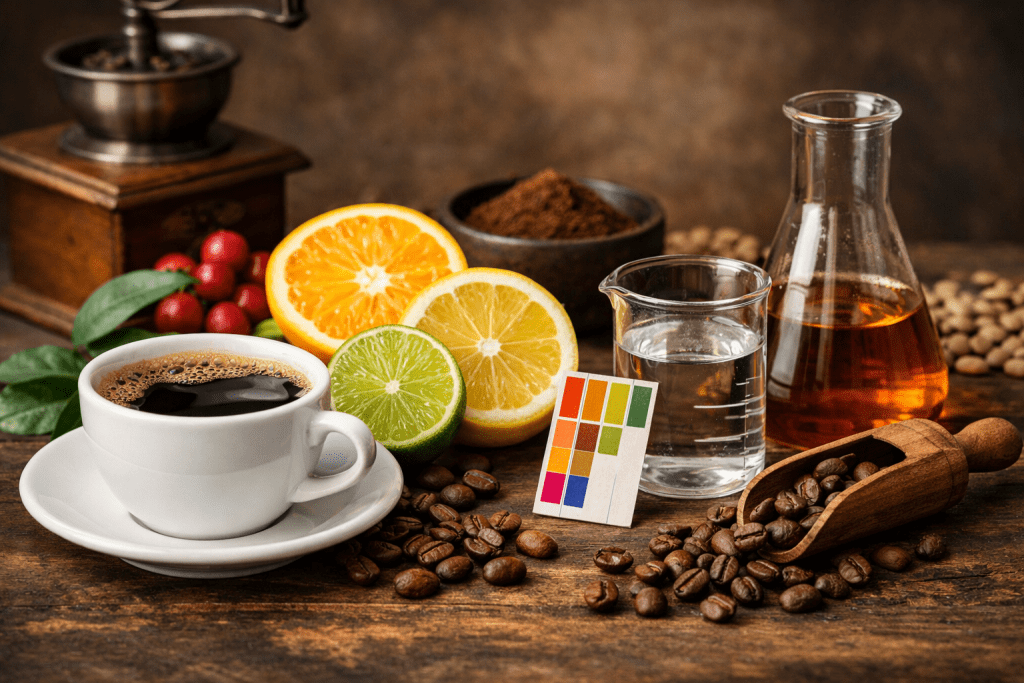
Acidity gives coffee its bright and lively notes, but different acids and bean origins shape whether that brightness tastes fruity, crisp, or sour. The kinds of acids present and the coffee’s variety determine balance more than a single “acid level.”
Types of Acids in Coffee
Coffee contains several organic acids that affect taste: citric, malic, chlorogenic, acetic, and quinic acids are the most important.
- Citric acid gives citrus-like brightness (think lemon or orange). It usually reads as pleasant and sharp.
- Malic acid adds apple-like sweetness and smoothness. It feels rounder than citric acid.
- Chlorogenic acids break down during roasting and contribute to perceived bitterness and astringency if not managed.
- Acetic and quinic acids can produce sharp sourness or vinegary notes when extraction goes wrong.
Roast level and brewing control how these acids show up. Lighter roasts keep more citric and malic acids, so they taste brighter. Over-extraction or stale beans can increase acetic or quinic sensations and make coffee taste sour. For more on coffee chemistry, see this overview.
Origin and Coffee Variety
Origin shapes acidity through soil, altitude, and climate. High-altitude Arabica beans from East Africa often show floral and fruity acids like citric and malic. Beans from Central America may display balanced citric acidity with chocolaty notes.
Varietal genetics also matter: SL28 and Gesha tend to emphasize bright, clean acids. Robusta usually has lower pleasant acidity and more bitter compounds.
Processing method alters acid profile too. Washed coffees often have cleaner, more pronounced fruit acids. Natural or anaerobic processed beans can carry intense fruity or fermented acids that some people call sour. To compare regions and processing, the Specialty Coffee Association and World Coffee Research publish useful guides; readers can explore region profiles at World Coffee Research.
Brewing Variables That Affect Sourness
Many brewing choices change how acids extract and how the cup tastes. Water temperature and the amount of coffee versus water are the two biggest levers that push a brew toward sour or balanced.
Water Temperature
Lower water temps leave more of the bright acids and fewer sugars in the cup. If water is below about 90°C (194°F), extraction slows and citrus-like sourness can dominate. This is common with light roasts or quick pour-overs.
Raise temperature to 92–96°C (198–205°F) to pull more sugars and reduce sharpness. For delicate light roasts, aim near 92°C; for medium or darker roasts, use the higher end. Use a thermometer or kettle with temperature control to repeat results.
Also note contact time and grind. Cold or cool water plus short contact will worsen sour notes. Hotter water can mask slight sourness but will increase bitterness if overused.
Brew Ratio
A weak brew concentrates acid relative to dissolved solids, making the cup taste thin and sour. Using too little coffee for the water (a high water-to-coffee ratio) causes under-extraction.
Start with 1:15 to 1:17 (coffee by weight) for pour-over and drip. If the cup tastes sour, tighten the ratio to 1:14 or 1:13 and check again. Espresso uses much lower ratios; adjust dose and yield to avoid sour under-extracted shots.
Combine ratio changes with grind size adjustments. Finer grind increases extraction; coarser grind lowers it. Change one variable at a time to find the balance that reduces sourness without adding bitterness.
The Impact of Freshness and Storage
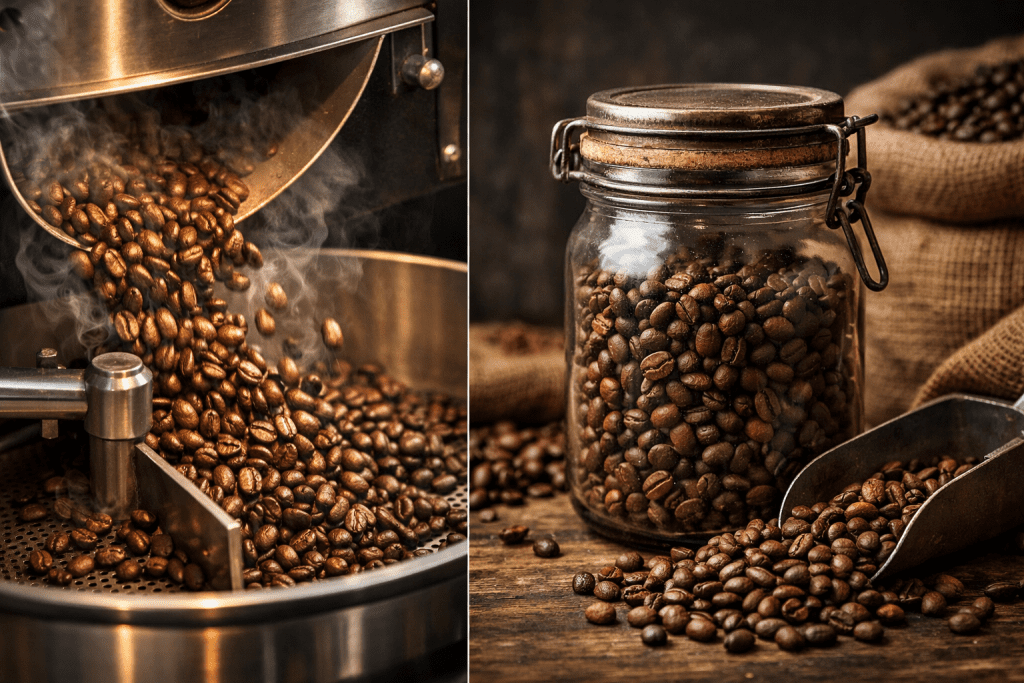
Fresh beans and how they are stored change acidity and sourness in the cup. Age, degassing, oxygen, light, heat, and moisture each push flavor toward balance or toward sharp, sour notes.
Coffee Age and Degassing
Beans release carbon dioxide after roasting. In the first 3–14 days, this degassing affects extraction; too much CO2 can make brews taste sour or fizzy because it repels water and causes uneven extraction.
For espresso, beans about 7–21 days post-roast often give better balance. For pour-over and drip, 3–14 days post-roast usually works well. Older beans past 4–8 weeks lose sweetness and can taste flat or stale, but they rarely become fruit-like sour from age alone.
Buy whole beans in small amounts. Note roast date on the bag. If beans feel overly bloated or release a strong gas smell, let them rest a few days before brewing.
Proper Storage Methods
Air, light, heat, and moisture speed staling and can increase unpleasant acidity. Store beans in an opaque, airtight container with a one-way valve if possible to let CO2 escape without letting oxygen in.
Keep beans in a cool, dark place away from the oven or windows. Avoid the fridge or freezer for daily-use beans; condensation and odor transfer harm flavor. If long-term freezing is needed, divide into small, sealed portions and thaw fully before opening.
Grind just before brewing to limit exposed surface area. Clean the storage container regularly and avoid resealing warm beans, which traps moisture and can worsen sour or off tastes.
Adjusting Sour Tastes in Coffee
They should first check extraction. Under-extraction makes bright acids stand out. To fix this, grind finer, increase brew time, or raise water temperature slightly.
Water temperature matters. Keep water between 195°F and 205°F (90–96°C). Cooler water can leave coffee tasting sharp and sour.
Bean choice and roast level affect acidity. Light roasts and some origins taste brighter. Try a medium roast or a different origin if sour notes persist.
Equipment and cleanliness change flavor. Old oils and residues add off-tastes. Clean grinders, brewers, and filters regularly.
Use the table below to compare quick adjustments and expected effects:
| Problem | Adjustment | Expected Effect |
| Under-extracted / sour | Finer grind, longer brew, hotter water | More balanced sweetness and body |
| Too acidic from beans | Try a darker roast or different origin | Smoother, less pronounced acidity |
| Old or dirty equipment | Deep clean grinder and brewer | Cleaner, truer flavor |
| Puck or channeling issues (espresso) | Even tamp, adjust dose, check grind | More even extraction, less sourness |
They should make one change at a time. Small, steady tweaks help them see what works. Keeping notes on grind size, time, and temperature speeds improvement.
Common Misconceptions About Sour Coffee
Many people think sour coffee means the beans are bad.
In fact, acidity is a natural part of coffee. It can add brightness and desirable fruit-like notes when balanced.
Some assume darker roasts never taste sour.
Dark roasts lower acidity, but sourness can still appear from brewing errors like under-extraction or wrong water temperature.
A frequent myth says grinding finer always fixes sour coffee.
Finer grind can help extraction, but it may cause bitterness if overdone. Adjust grind size, brew time, and dose together.
People often blame stale beans for sourness alone.
Staleness usually mutes acidity and flavor rather than produce fresh sour notes. Fresh, light-roasted beans can taste bright or tart when brewed improperly.
Another wrong belief is that tap water has no effect.
Water minerals and pH change how acids extract. Using filtered water with balanced minerals improves flavor balance.
Quick checklist to spot real causes:
- Under-extraction (short brew time, coarse grind) → sour.
- Too-low brew temperature → sour.
- Light roast with wrong method → overly bright.
- Water quality → shifts acidity.
This section clarifies that sour coffee usually results from brewing variables or bean choice, not a single simple fault.
Choosing Coffee Beans to Reduce Sourness
Bean origin and processing shape acidity. Beans from East Africa often taste bright and fruity, which can read as sour to some drinkers. Beans from Brazil, Sumatra, or other Latin American and Indonesian regions tend to be lower in bright acidity and can give a smoother cup.
Roast level matters. Lighter roasts preserve more of the bean’s natural acidity. Choosing a medium or dark roast lowers perceived sourness and brings more chocolatey or nutty notes. He should try a few roast levels to find what feels balanced.
Look at bean variety and freshness. Natural-processed beans often have sweeter, fuller body that masks sharp acidity. Freshness helps, too: coffee that is too fresh (roasted within 24–48 hours) can taste oddly sharp, while stale beans taste flat. They should aim for beans rested 3–14 days after roast and used within a month.
Use this quick checklist when buying:
- Choose medium or dark roasts for less sourness.
- Try beans from Brazil, Sumatra, or Central America.
- Prefer natural or honey-processed beans for fuller body.
- Buy whole beans and grind just before brewing.
Tasting notes on bags help but aren’t perfect. Small sample packs let them test different beans without committing.
Summary
Sour coffee most often comes from under-extraction. When water doesn’t pull enough soluble compounds from the beans, bright acids stay dominant while sugars and bitters stay behind. Adjusting grind, temperature, or brew time usually fixes this.
Bean choice and roast level also shape sourness. Light roasts and very fresh, acidic-origin beans taste brighter. Darker roasts mask acidity with caramelly and bitter notes.
Equipment and technique matter. Water below 195°F, too-coarse grind, or a short contact time will make coffee taste sharp. Dirty gear or stale beans can add off-flavors that mimic sourness.
Quick fixes are simple and testable:
- Use a finer grind.
- Raise water temperature to 195–205°F.
- Increase brew time or dose slightly.
Tasting is the best guide. He or she should change one variable at a time and note the result. That method lets them find which adjustment balances acidity without over-extracting.
If problems persist, they should check bean freshness, clean equipment, and try a different roast. Small, steady changes give clearer, more balanced cups.
FAQs
What makes coffee taste sour?
Sour coffee usually comes from under-extraction, which leaves bright acids but not enough sweetness. It can also come from very light roasts or stale beans.
How can someone fix sour-tasting coffee at home?
They should try a finer grind, hotter water (195–205°F / 90–96°C), or a longer brew time. Small changes often balance the cup.
Could brewing equipment cause sourness?
Yes. A clogged filter, dirty brewer, or inconsistent kettle temperature can produce uneven extraction. Regular cleaning and stable heat help.
Do certain beans taste naturally more acidic?
Yes. Beans from higher altitudes or lighter roasts often show more acidity. Choosing medium roasts or different origins reduces sharpness.
Is sourness the same as bitterness?
No. Sourness is bright and tangy, while bitterness is harsh and drying. Both point to different extraction problems.
How does grind size affect taste?
Coarse grinds extract slowly and can taste sour. Finer grinds extract more quickly and pull out sugars that balance acids.
When should someone call the coffee sour vs. bad?
If the cup tastes bright and sharp, it’s likely sour. If it smells off, moldy, or rotten, the beans are probably bad and should be discarded.
Quick checklist to fix sour coffee:
- Use fresher beans
- Adjust grind finer
- Raise water temp slightly
- Increase brew time
- Clean equipment regularly