
Coffee Freshness: How to Maximize Flavor and Shelf Life
You want coffee that tastes like it was just roasted. Knowing when beans peak and how to spot stale coffee saves you time and money, and makes every cup better. Freshness centers on the roast date, storage, and how the beans were handled — get those right and your coffee will taste its best.
Ethan Cole from Webrewcoffee.com has tested many beans and shows that small changes — like using an airtight container or waiting a few days after roasting for certain beans — make a big difference. Keep reading to learn simple checks, smart storage moves, and quick tricks that anyone can use at home to keep coffee flavorful.
Key Takeaways
- Check roast date, packaging, and smell to judge freshness.
- Store beans airtight, away from heat, light, and moisture.
- Small habits at home make the biggest taste improvements.
What Determines Coffee Freshness
Freshness depends on how recently beans were roasted, where they came from, and how they were processed and stored. These factors affect flavor compounds, oils, and how quickly the beans lose aroma and taste.
Role of Roast Date
Roast date marks when beans released gases and developed flavor. Beans peak differently by roast: dark roasts often show best flavor 1–3 days after roasting, medium roasts around 3–7 days, and light roasts typically 5–14 days. These ranges come from how roasting changes oils and volatile compounds.
Grinding accelerates flavor loss. Whole beans keep more aroma than pre-ground coffee because grinding exposes more surface area to oxygen. For best flavor, people should buy beans with a clear roast date and use them within the recommended window for that roast level.
Storage after opening matters. Airtight, opaque containers in a cool, dry place slow staling. Avoid heat, light, and moisture, which speed oxidation and rancidity.
Impact of Coffee Origin
Origin affects freshness through bean density, moisture content, and natural compounds. High-altitude coffees from places like Ethiopia or Colombia often have denser beans that retain aromatic compounds longer. Lower-altitude beans may age faster because their structure is less dense.
Soil, climate, and cultivar influence acidity and oil content. Beans with higher natural oils can show stronger flavor early but may go stale faster if not stored properly. Varietal differences also change how flavor evolves after roast.
Roasters can adjust roast profiles for origin. For fragile origins, lighter roasts may preserve delicate notes but require careful timing to catch peak freshness. Buyers should track roast date and note how a given origin tastes over the first two weeks after roast.
Bean Processing Methods
Processing removes the cherry skin and pulp and shapes how beans react after roasting. Washed (wet) processing usually produces cleaner, brighter flavors and often yields beans that show freshness nuances longer. Natural (dry) processing leaves more fruit sugars on the bean, which can make beans taste more aromatic early but may mask staling signs.
Honey (semi-washed) processing sits between washed and natural, balancing sweetness and clarity. Each method changes surface compounds and residual moisture, affecting oxidation speed.
Proper drying and milling reduce mold and uneven fermentation that shorten freshness. Consumers should note processing on the bag; beans with inconsistent drying or poor processing history will lose desirable flavors faster, even if the roast date looks recent.
How to Identify Fresh Coffee
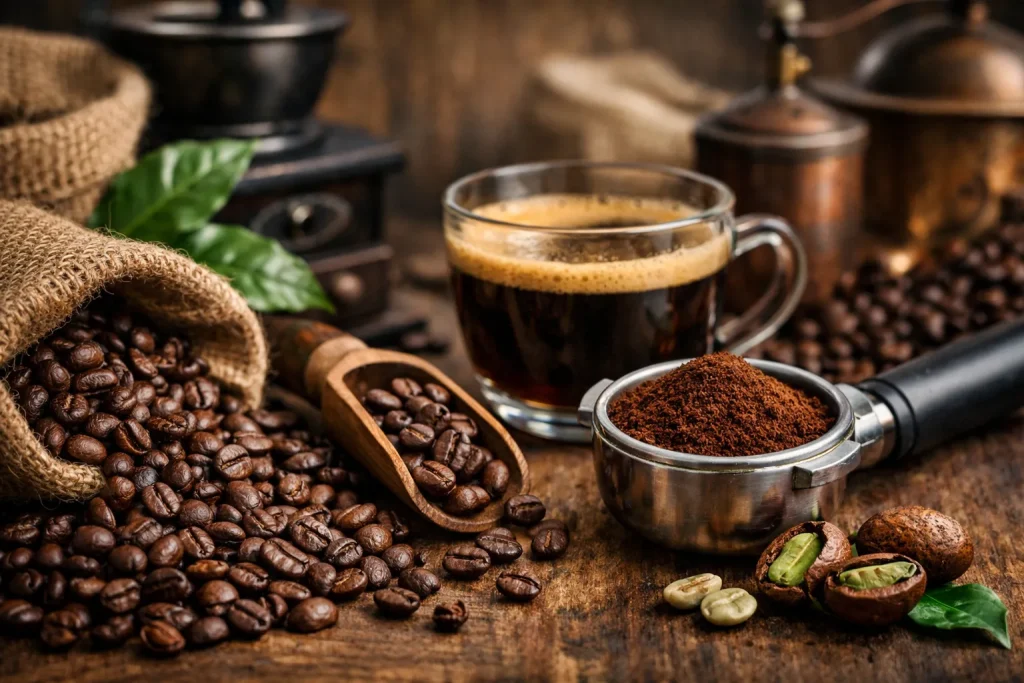
Fresh coffee shows clear signs in appearance, smell, and packaging. Look for glossy, intact beans, lively aromas, and a recent roast date or one-way valve on the bag.
Visual Cues in Whole Beans
Fresh whole beans have a glossy sheen from oils brought to the surface during roasting. Darker roasts show more surface oil; light roasts look drier. Beans should be uniform in size and color without large patches of discoloration or a dusty, powdery coating.
Inspect beans for cracks or chips. A few chips are normal, but many broken beans suggest old beans or rough handling. Also check for foreign matter like twigs or husks.
Measure density by pressing a bean between fingers. Fresh beans feel firm and not crumbly. If beans crumble easily or smell flat when crushed, they are likely stale.
Aroma and Flavor Profile
Fresh coffee smells bright, complex, and multi-layered. Aromas can include citrus, chocolate, floral, or nutty notes depending on origin and roast. A weak, cardboard-like, or musty smell indicates staleness.
Brew a small dose to test flavor. Fresh coffee will have clear acidity, distinct flavor notes, and a clean finish. If flavors taste muted, flat, or overly bitter, the beans have lost freshness.
Trust sensory checks over “best by” dates. Aroma and taste change as volatile compounds dissipate, so smell and taste remain the most reliable freshness tests. For more on flavor chemistry, see World Coffee Research.
Packaging Indicators
Look for a clear roast date printed on the bag. Use beans within about 7–21 days for peak flavor after roast, depending on roast level. Avoid bags that only show a “best by” date without a roast date.
Choose bags with one-way valves and airtight seals. One-way valves let CO2 escape without letting air in, which preserves aroma. Resealable bags and dark, opaque packaging also slow oxidation.
Vacuum-sealed or nitrogen-flushed packaging extends shelf life but does not replace the roast date. Stored correctly in a cool, dark place and an airtight container, whole beans stay usable longer, but flavor will still decline over time. For standards on roast-date labeling and storage, consult the Specialty Coffee Association guidelines at Specialty Coffee Association.
Factors That Affect Coffee Freshness
Several specific variables determine how long roasted coffee retains its flavor and aroma. Controlling these variables—oxygen, moisture, light, and heat—helps keep beans and grounds closer to their peak taste for longer.
Oxygen Exposure
Oxygen drives chemical changes in roasted coffee that reduce aroma and flavor compounds. Once beans cool after roasting, they release carbon dioxide but still react with air; oxygen causes oxidation of oils and aromatics, which flattens acidity and dulls flavors over days to weeks.
To limit oxygen damage, store coffee in airtight containers with minimal headspace. Valve-sealed bags let CO2 escape without letting air back in; rigid, opaque canisters with tight seals work well for opened bags. For long-term storage, vacuum sealing or using inert-gas flushing can slow oxidation further.
Grinding increases surface area and makes oxidation faster. Whole beans stay fresher longer than grounds. Grind only what will be used in the next minutes to preserve volatile compounds.
Moisture Levels
Moisture short-circuits coffee freshness by dissolving soluble solids and promoting staling and off-odors. Beans and grounds absorb humidity and smells from their environment, which mutes flavor clarity and can introduce unwanted tastes.
Keep coffee dry in a cool place with relative humidity below about 60%. Use airtight containers and avoid storing coffee near dishwashers, sinks, or spice racks. Silica gel packets inside storage canisters help in humid climates, but avoid direct contact between desiccants and beans.
Fresh-roasted coffee still contains some internal moisture; extreme drying or rehydration both harm cup quality. Aim to protect beans from rapid humidity swings rather than force a specific moisture level at home.
Light and Heat
Light, especially sunlight and strong indoor lighting, breaks down aromatic compounds through photodegradation. Heat accelerates chemical reactions that cause oils to go rancid and flavors to fade. Together they speed staling much faster than oxygen alone.
Store coffee away from windows and heat sources like ovens, stovetops, or direct sunlight. A cool, dark cupboard works far better than a countertop in bright light. Refrigerators and freezers can protect coffee from heat but introduce moisture problems if not sealed properly; use airtight packaging and avoid frequent temperature changes.
For best results, keep beans at steady, cool temperatures and in opaque containers to block light and slow the loss of volatile aroma compounds.
World Coffee Research provides deeper technical studies on stability, and the coffee page on Wikipedia offers basic background on roasting and storage.
Best Practices for Preserving Coffee Freshness
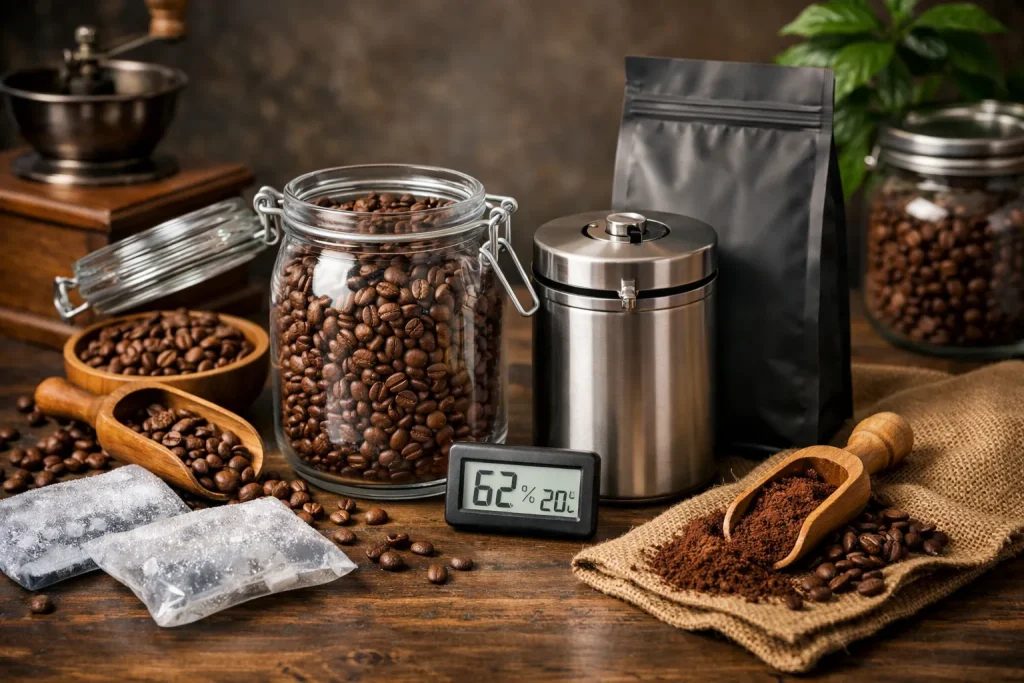
Store coffee in an airtight, opaque container and keep it in a cool, dry spot away from heat and light. Choose whole beans and grind just before brewing when possible; if using grounds, use them within a week for best flavor.
Proper Storage Containers
Use an airtight container with a one-way valve for freshly roasted beans. The valve lets CO2 escape without letting oxygen in, which slows staling. Stainless steel or ceramic containers block light better than clear plastic or glass.
Avoid constant-opening containers like countertop bags or thin canisters. A small container sized to hold only 1–2 weeks of coffee reduces air exposure each time it is opened. If using the original retail bag, keep it sealed with a clip and place that bag inside an opaque canister.
For short-term storage (days to two weeks), room-temperature airtight containers work best. For longer storage, consider vacuum-sealed bags meant for coffee or freezer-safe vacuum containers if freezing becomes necessary.
Ideal Storage Locations
Place coffee in a cool, dry pantry or cabinet away from the oven, stove, or direct sunlight. Heat accelerates aroma loss, so a spot at room temperature (60–75°F / 15–24°C) is ideal. Avoid storing coffee above the refrigerator, where heat cycles reduce freshness.
Keep coffee away from strong-smelling foods like spices or onions. Coffee absorbs odors easily, which alters its taste. Do not store coffee in the refrigerator under normal use; repeated door openings cause moisture and odor transfer.
If freezing is unavoidable, use airtight, freezer-safe containers and portion coffee into small amounts. Thaw only what will be used that week to avoid repeated temperature changes that cause condensation and staling.
Ground vs. Whole Bean Storage
Whole beans stay fresher longer than pre-ground coffee because they expose less surface area to oxygen. Store whole beans in the same airtight, opaque containers and grind just before brewing for maximum flavor. For best taste, use whole beans within 2–4 weeks of roast date.
Ground coffee loses volatile oils faster and is best used within 3–7 days after grinding. If buying pre-ground, purchase smaller amounts and keep them sealed in airtight packaging. For espresso or fine grinds, buy smaller quantities since finer particles stale more quickly.
When using grounds for convenience, store them in single-use packets or small jars to limit oxygen exposure. Label containers with roast or grind dates to track freshness and rotate stock by date to avoid using old coffee.
How Coffee Freshness Impacts Taste
Freshness shapes acidity, aroma, mouthfeel, and sweetness. Time after roast and storage conditions change the beans’ gases and oils, which then alters flavor balance and the feel of the brewed cup.
Flavor Degradation Over Time
Roasted beans release carbon dioxide for days to weeks; this degassing affects extraction and perceived brightness. Right after roast, acidity and floral or fruity notes often stand out. Over the next 2–4 weeks, many single-origin and specialty coffees show their peak clarity and complexity.
As weeks pass, oxygen reacts with oils and volatile compounds. This oxidation dulls acidity and reduces aroma intensity. Chocolate, nut, or caramel notes can remain, but they grow flatter and less distinct. Stale flavors like cardboard or paper can appear if beans sit months without proper storage.
Storage matters. Beans kept in airtight, opaque containers at room temperature stay closer to peak for longer. Ground coffee loses volatile aromatics far faster than whole beans, so grinding just before brewing preserves more of the original flavor.
Textural Changes in Brewed Coffee
Freshness also changes texture. Coffee brewed from very fresh beans (after degassing) can feel cleaner and have a lively, lighter body. During the first week or two, the cup often shows crisp acidity and a silky mouthfeel for many origins.
As beans age, oils oxidize and soluble solids change, producing a flatter, heavier sensation in the mouth. The brew may feel duller and more astringent. Crema on espresso becomes thinner and collapses faster with older beans.
Brewing variables interact with freshness. Finer grind and higher temperature can amplify bitterness in stale beans. Conversely, fresh beans tolerate a wider range of brew parameters while still producing balanced texture and clear separation between flavors.
Measuring and Testing Coffee Freshness
A few simple tests can show how fresh beans are and whether they’ll taste vibrant. The two practical methods below measure gas release and flavor clarity, and both work with basic gear or a cupping setup.
CO2 Release Test
CO2 degassing happens after roasting and tells how recently beans were roasted. Freshly roasted beans release a lot of CO2; the rate drops over days to weeks. To test at home, place 20–30 grams of whole beans in a sealed jar at room temperature for 30–60 minutes, then open the jar and smell close to the rim. A strong, sharp aroma and a mild hiss or rush of gas when opening indicate active degassing and recent roast.
For a slightly more quantitative check, weigh beans before sealing and again after 24 hours in a loosely closed container. A small weight loss (mostly water and gas) suggests ongoing degassing. Very little aroma, flat smell, or no hiss means most CO2 has left and the beans are past peak freshness for bright flavors.
Professional Cupping Techniques
Cupping isolates aroma, flavor, and mouthfeel to judge freshness and defects. Professionals grind 8–12 grams per 150 ml of water and use water at 93–96°C (199–205°F). They first evaluate the dry aroma, then pour water over grounds and let a crust form for 3–4 minutes. Breaking the crust releases gases; a fresh cup will give a strong, complex aroma on the break.
After removing the crust, they skim grounds and taste once the coffee cools slightly. Fresh beans show clear acidity, layered flavors, and clean finish. Stale beans taste flat, dull, or oxidized; defects like sourness or cardboard notes point to staleness or poor storage. Cupping score sheets or a simple checklist (aroma, acidity, body, aftertaste) help record observations consistently.
Common Myths About Coffee Freshness
Many people think the freshest possible bean always makes the best cup. Freshness matters, but roasting, storage, and brewing matter too. Beans right after roast release gases and can taste uneven, so some rest can help.
Some claim dark roasts have more caffeine than light roasts. Roast color does not reliably predict caffeine. Roast time changes flavor more than caffeine content.
People often worry coffee goes bad in days. Ground coffee loses aroma faster than whole beans, but properly stored beans can stay drinkable for weeks. Cold brew and refrigerated coffee last longer than hot brews, though taste will change over time.
Another common idea says vacuum-sealed bags stop all aging. Good packaging slows oxygen and moisture, yet it cannot halt chemical changes. Even sealed beans slowly stale, so storage matters.
Use this table to compare myths and realities:
| Myth | Reality |
| Freshest beans are always best | Some resting after roast often improves flavor |
| Dark roast = more caffeine | Roast affects flavor; caffeine changes little |
| Sealed bags stop staling forever | They slow it, but staling still occurs |
| Ground coffee stays fresh like whole beans | Ground coffee loses aroma faster |
Debunking myths helps set realistic expectations. Small changes in storage and timing often produce better results than chasing an absolute idea of “fresh.”
Sustainability Considerations and Freshness
Coffee roasters and packagers must balance freshness with environmental impact. High-barrier materials like multi-layer films and foil extend shelf life by blocking oxygen and moisture, but they can be hard to recycle.
They can choose compostable or paper-based options to reduce waste. These materials often offer weaker barrier protection, so beans may lose aroma faster unless paired with other measures.
A common compromise uses recyclable inner liners or small foil layers plus recyclable outer packaging. This keeps oxygen out while improving the package’s end-of-life options.
Small actions also help freshness and sustainability. Resealable bags, one-way degassing valves, and smaller portion packs reduce waste and oxygen exposure. Consumers benefit from clear storage instructions on the pack.
Brands should consider lifecycle trade-offs when picking materials. They weigh barrier performance, cost, transport emissions, and recycling infrastructure. Decisions that work in one region may not fit another because recycling systems differ.
Practical checklist:
- Choose a barrier level that matches desired shelf life and bean type.
- Prefer recyclable or refill systems where local recycling exists.
- Use valves and reseals to extend freshness without heavy materials.
- Label storage and disposal clearly for buyers.
This approach helps keep coffee flavorful while lowering environmental harm.
FAQs
What does “roast date” mean and why does it matter?
It marks the day beans were roasted. Flavor changes after roasting, so roast date helps predict peak taste and freshness.
How long do whole beans stay fresh?
Whole beans keep best for about 2–4 weeks for most roasts. Lighter roasts often peak a few days later than dark roasts.
Should coffee be used right after roasting?
No. Beans need a short rest to degas. A few days to a week often improves extraction and balance.
Does grinding affect freshness?
Yes. Grinding increases surface area and speeds up flavor loss. Grind just before brewing for the freshest cup.
Can frozen coffee stay fresh?
Freezing can slow staling if done correctly. Use airtight containers and avoid repeated thawing and refreezing.
How should coffee be stored at home?
Keep beans in a cool, dark place in an airtight container. Avoid heat, light, moisture, and strong odors.
How can one tell if coffee is stale?
Smell declines and flavors flatten. If coffee smells dull, cardboard-like, or lacks aroma, it is likely stale.
Is “best by” the same as “roast by”?
No. “Best by” is a retailer guideline. Roast date shows when roasting occurred and better indicates freshness.
How much does freshness change taste?
Freshness affects aroma, acidity, and body. The impact varies by roast and brew method; some changes are subtle, others more noticeable.
Conclusion
Freshness strongly shapes coffee’s flavor and aroma. It peaks soon after roasting and slowly fades with exposure to air, light, heat, and moisture.
They should check roast dates and buy amounts they can use within a few weeks. Proper storage in airtight, cool, dark conditions slows decline and keeps more aroma.
Grinding just before brewing preserves volatile oils and subtleties. Different roast styles and brew methods change how quickly flavors fade, so choices matter.
Simple habits—buy whole beans, note roast dates, seal bags, and grind when needed—help maintain a better cup.