Coffee Shelf Life: How Long Beans and Grounds Stay Fresh and How to Store Them
You treat coffee like fuel, but you also want it to taste fresh. Knowing how long beans, grounds, and brewed coffee keep their best flavor helps you avoid bitter cups and wasted money. Whole beans usually stay flavorful longer than pre-ground coffee, and proper storage can add weeks or months to freshness.
Ethan Cole from Webrewcoffee.com shares practical tips you can use at home to keep coffee tasting its best. You will learn what to watch for, how storage choices change shelf life, and simple steps to stretch freshness without fancy gear.
Key Takeaways
- Store whole beans sealed and cool to preserve flavor longer.
- Grind just before brewing for the best taste and aroma.
- Toss brewed coffee after a day to avoid stale flavor and quality loss.
What Is Coffee Shelf Life?
Coffee shelf life tells how long beans, grounds, or brewed coffee keep their flavor and safety. It depends on the form of coffee, storage conditions, and packaging quality.
Definition of Shelf Life
Shelf life is the period when coffee keeps acceptable taste and aroma for a typical consumer.
For whole beans, this often means several months after roasting if stored well. Ground coffee loses volatile oils faster and may decline in flavor within weeks to months. Instant coffee and sealed, vacuum-packed beans hold longer because they lose fewer aromas and resist oxygen.
Shelf life also covers safety. Coffee rarely becomes unsafe to drink, but it can develop stale or rancid flavors from oxidized oils or absorb odors from the environment. Labels like “best by” indicate peak quality, not an exact expiration date.
Importance for Coffee Quality
Freshness affects acidity, aroma, and mouthfeel. A well-preserved bag of beans keeps brighter acidity and floral or fruity notes longer. Ground coffee or open bags yield flatter, duller cups sooner.
Consumers notice a drop in crema, weaker aroma, and off-flavors like cardboard or painty notes when coffee ages. Proper storage — airtight container, cool dark place, limited time in the grinder — preserves those desirable tasting traits. Small-batch buying and buying whole beans help maintain quality for regular drinkers.
How Shelf Life Is Measured
Producers and labs measure shelf life by testing chemical markers and sensory panels. They track volatile aroma compounds, oil oxidation products, and moisture content over time. Sensory panels score aroma, flavor, and aftertaste to define when the coffee becomes unacceptable.
Common practical measures include “best by” dates based on roast date plus a set number of months. Storage tests compare sealed bags, vacuum packs, and beans in airtight jars under different temperatures. Home users can judge shelf life by smell and taste: a noticeable loss of aroma or a stale flavor signals the end of peak quality.
Factors Affecting Coffee Shelf Life
Several factors determine how long coffee keeps its flavor and aroma. Bean type, roast level, and whether beans are ground all change how quickly coffee loses freshness.
Type of Coffee Beans
Arabica and Robusta differ in oils and structure, which affects shelf life. Arabica beans usually have more nuanced acids and volatile aromatics that fade faster. Robusta contains more natural oils and caffeine, so it can stay usable longer in some conditions.
Processing and origin matter too. Washed (wet-processed) beans often taste brighter but may oxidize more quickly than naturally processed beans that retain more sugars and oils. Storage packaging also plays a role: vacuum-sealed or nitrogen-flushed bags slow oxygen exposure and extend usable life.
For technical context about bean varieties and processing, readers can consult resources like Coffee bean overview on Wikipedia.
Roast Level Impact
Roast level changes chemistry and shelf life in clear ways. Darker roasts undergo longer heating and develop more oils on the surface. Those surface oils speed up staling and can lead to rancid flavors sooner than lighter roasts.
Medium and light roasts keep more of their original acids and volatile aromatics. They lose those notes steadily but often retain a brighter, fresher taste for several weeks when stored properly. Light roasts also tend to be less oily, which reduces the risk of early rancidity.
Packaging and storage interact with roast level. Dark roasts exposed to heat or light will show flavor decline faster than lighter roasts under the same conditions.
Grinding and Its Influence
Grinding increases surface area and exposes compounds to oxygen, so ground coffee stales faster than whole beans. A coarse grind holds flavor longer than a fine espresso grind because less surface area meets air.
Fresh grinding just before brewing preserves aroma and taste. Once ground, coffee loses volatile aromatics within days; fine grounds can show noticeable decline in as little as 24–48 hours if left open. Sealed containers in a cool, dark place help, but whole beans in an airtight jar remain the best choice for longer freshness.
For guidance on best practices and grinder types, the Specialty Coffee Association provides practical standards and research studies at Specialty Coffee Association.
Storage Methods and Their Impact
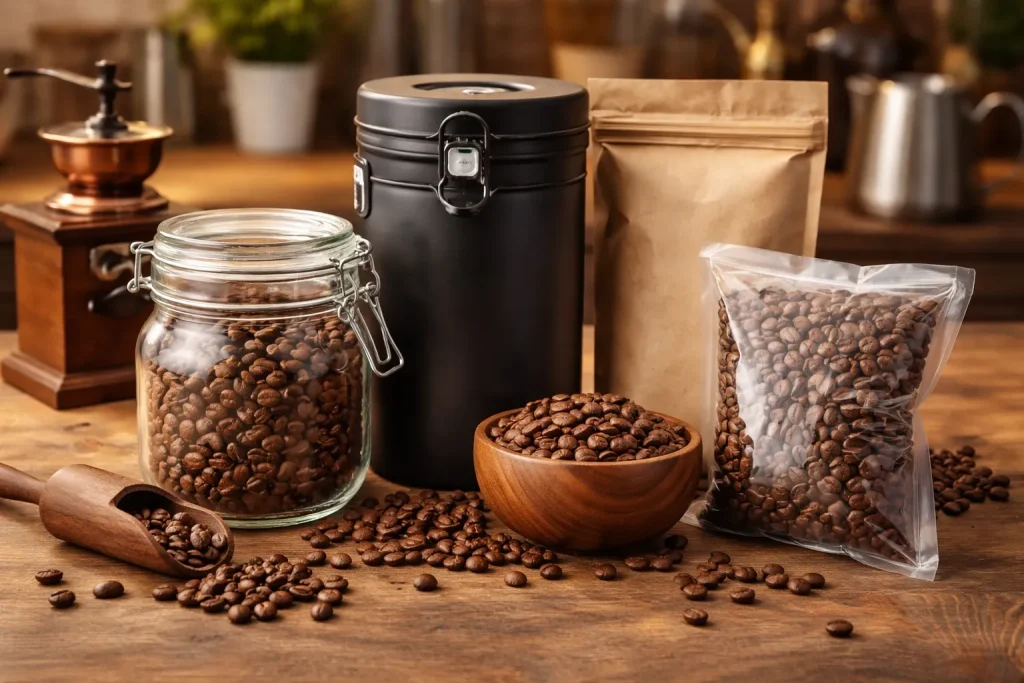
Proper storage keeps flavor longer, cuts waste, and slows the loss of oils and aroma compounds. The right container, steady temperature and humidity, and limited light and oxygen make the biggest difference.
Airtight Containers
Use a container with a true seal. Mason jars with rubber gaskets, vacuum-seal canisters, or opaque food-grade tins reduce air exchange and slow staling. For whole beans, store in a container that closes tightly after each use. For grounds, limit the time between grinding and brewing; grounds release aroma faster and need fresher handling.
Avoid single-use bags with one-way valves as your only storage unless you transfer contents to a better container after opening. If using vacuum sealing for long-term storage, remove as much air as possible and keep the package cool to protect oils. Label containers with roast date so older coffee gets used first.
Temperature and Humidity Control
Keep coffee in a cool, dry place between 50–70°F (10–21°C) when possible. Higher temperatures accelerate oil oxidation and flavor loss, while fluctuating temperatures cause condensation inside containers. Store coffee away from heat sources like ovens, dishwashers, or sunlight.
Relative humidity should stay low — ideally under 60% — to prevent moisture absorption that degrades flavor and promotes spoilage. Freezing unopened or bulk coffee can work for long-term storage, but transfer small daily portions to a regular container and thaw once to avoid repeated condensation. The Specialty Coffee Association offers guidance on storage best practices for professionals: Specialty Coffee Association.
Light and Oxygen Exposure
Light and oxygen break down volatile compounds and roast oils, making coffee taste flat and stale. Store beans in opaque containers or dark cupboards to block visible and UV light. Clear containers are fine only if kept in a completely dark location.
Oxygen causes oxidation, which changes flavor within days to weeks. Minimize air exposure by filling containers so little headspace remains, replacing lids quickly, or using oxygen-absorbing packets for unopened, long-term packages. For ground coffee, aim to limit exposure to air after grinding; grind only what will be used within a day or two for best flavor. For more on coffee chemistry and freshness factors, see basic science notes at Wikipedia – Coffee.
Shelf Life of Whole Bean Coffee
Whole bean coffee keeps its best flavor when stored cool, dry, and sealed. Roast date, packaging, and exposure to air and moisture determine how long beans stay fresh.
Unopened vs Opened Packaging
Unopened bags with one-way valves and foil lining can keep beans at good quality for 6–12 months after roast if stored in a cool, dark place. Retail vacuum-sealed or nitrogen-flushed packages limit oxygen and slow staling. Check the roast date on the bag rather than a “best by” date when possible.
Once opened, whole beans lose peak flavor quickly. Expect noticeable decline after 2–4 weeks at room temperature in a pantry. Transfer opened beans to an airtight container, keep them away from light and heat, and use within a month for best taste. Freezing can extend life to 1–2 years, but only if beans stay sealed and are thawed once before use to avoid moisture build-up.
Signs of Decline in Whole Beans
Visual cues: beans that look dull, oily, or have white spots may be past prime or damaged. Oily sheen on very dark roasts is normal, but excessive oil plus a rancid smell signals oxidation. Smell is the fastest test: fresh beans give bright, complex aromas; stale beans smell flat, cardboard-like, or sour.
Taste signs: brewed coffee from stale beans tastes muted, lacking acidity, and often bitter or flat. Grinding stale beans produces less fragrance and a dusty smell. If beans show mold, a strong off-odor, or any visible contamination, discard them.
Ground Coffee Shelf Life
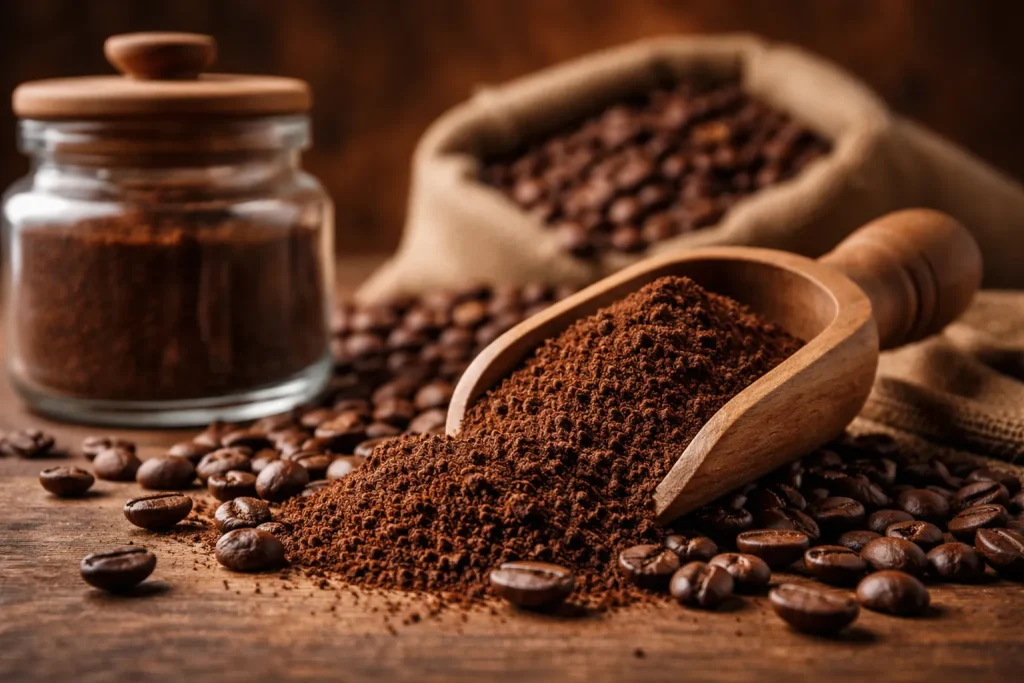
Ground coffee loses aroma and flavor faster than whole beans. It keeps best when sealed, stored cool, and used within a short time after opening.
Comparing to Whole Beans
Ground coffee exposes more surface area to air, so it goes stale faster than whole beans. Freshly ground beans keep volatile oils and aromas longer; pre-ground coffee can start losing noticeable flavor within a week of opening.
Roast date matters. A bag of unopened ground coffee can remain acceptable for several months if stored cool and dry, but its peak flavor is usually within the first few weeks after roasting. Once opened, plan to use ground coffee in 1–2 weeks for the best taste. Grinding at home extends freshness because the interior of the bean stays protected until ground.
Proper Storage Techniques
Store ground coffee in an airtight container with a one-way valve when possible. Keep the container in a dark, cool cabinet away from heat, sunlight, and humidity.
Avoid the refrigerator for daily use; moisture and odors can harm flavor. Freezing can work for long-term storage if the coffee is kept in small, sealed portions and thawed without opening repeatedly. Label containers with roast and freeze dates to track freshness.
Shelf Life of Brewed Coffee
Brewed coffee keeps drinkable taste for hours at room temp and for several days in the fridge. Storage method and container type change both flavor and safety.
Room Temperature Duration
At room temperature (about 68–72°F / 20–22°C), brewed coffee stays acceptable for drinking for roughly 4–12 hours. Flavor starts to degrade within an hour as volatile oils oxidize, producing a bitter, flat taste. Bacteria growth is slow in plain black coffee, but milk or cream added within this window can spoil much faster.
Store freshly brewed coffee in a covered carafe to slow cooling and reduce oxidation. Avoid leaving coffee in a warm pot on a hotplate more than a few hours; heat speeds chemical changes and can make the coffee taste burnt. If the coffee contains dairy, discard after two hours at room temperature to reduce food-safety risk.
Refrigeration Effects
Refrigeration extends safety but not flavor. Placing brewed coffee in a sealed container in the fridge keeps it safe to drink for about 3–4 days. Flavor will continue to flatten each day as aromatic compounds break down and the coffee absorbs fridge odors if not sealed.
Use an airtight glass or stainless-steel container to preserve taste. Cool the coffee to near room temperature before sealing and refrigerating to limit condensation inside the container. Reheat gently; rapid reheating can emphasize bitterness. If milk or sugar was added before refrigeration, consume within 24 hours to avoid spoilage.
Specialty Coffee Shelf Life Considerations
Specialty coffee needs careful handling because small details change how long it stays flavorful. Roast date, roast level, packaging, and storage temperature all matter.
Single Origin vs Blend
Single-origin coffees show unique flavors from one farm or region. These beans often highlight delicate floral, fruit, or tea-like notes that fade faster than bold flavors. The more fragile the flavor, the sooner it will lose clarity after roasting. Store single-origin whole beans in a cool, dark place and use them within 2–4 weeks of roast for best tasting cups.
Blends mix beans from different regions to balance taste and mask individual weaknesses. Blends often hold a more stable flavor profile over time because the components can complement each other as some notes decline. Use blends within 3–6 weeks of roast, depending on roast level and packaging. Vacuum-sealed or one-way valve bags extend shelf life for both types.
Organic and Flavored Coffee
Organic coffee follows farming rules but does not last longer by itself. Lack of chemical preservatives only affects labeling, not natural staling. Organic beans still lose aroma and oils after roasting at the same rate as non-organic beans. Treat organic coffee the same: whole-bean is best, and keep it sealed and cool.
Flavored coffee has added oils or syrups that speed up staling and can go rancid faster. The added flavors may mask bean aging, but they also attract oxygen and break down sooner. Store flavored coffee in airtight, opaque containers and use within 2–3 weeks of opening. For both organic and flavored options, freezing unopened bags can help, but avoid repeated freeze-thaw cycles.
Extending Coffee Shelf Life
Proper storage cuts oxygen, moisture, heat, and light exposure to slow staling. Choosing the right method depends on how long the coffee will be stored and whether it is whole bean or ground.
Vacuum Sealing
Vacuum sealing removes air around the coffee to slow oxidation and preserve aroma compounds. It works best for whole beans stored for weeks to months rather than daily-use containers.
Use food-grade vacuum bags or jars with a reliable pump. For whole beans, portion into small bags so only one bag is opened at a time. For ground coffee, vacuum sealing helps but grounds lose volatile flavors faster, so plan shorter storage times.
Label each sealed bag with roast date and type. Keep sealed packages in a cool, dark place between 50–70°F (10–21°C). Avoid seals that trap moisture; ensure items are dry before sealing. If a bag balloons after sealing, discard or re-seal — that can signal trapped gas from recent roasting or a leak.
Freezing Coffee
Freezing slows chemical changes but can add moisture risk if handled poorly. Freezing suits long-term storage (months to a year) for whole beans, not for coffee you’ll use daily.
Divide coffee into small, airtight, freezer-safe bags. Squeeze out as much air as possible before sealing. Only remove one bag at a time to avoid thawing the rest, which causes condensation and quality loss.
When moving a bag from freezer to counter, keep it sealed until it reaches room temperature to prevent moisture forming on beans. Do not refreeze coffee after it thaws. Ground coffee will absorb freezer odors more easily, so use airtight packaging and avoid placing coffee near strong-smelling foods.
Detecting Coffee Spoilage
Coffee that has gone bad shows clear signs in appearance, smell, and taste. These signs help decide whether beans, grounds, or brewed coffee are still safe and worth drinking.
Visual Indicators
They should first inspect the beans or grounds for mold. Mold looks like white, green, or blue fuzzy spots on the surface. If any fuzzy growth appears, discard the coffee immediately.
They should also check for oiliness on roasted beans. A light sheen is normal for dark roasts, but a sticky, gummy film can mean age and oxidation. Grounds that clump or feel damp may have absorbed moisture and could grow mold soon.
They should examine packaged coffee for bulging bags or broken seals. Swollen packaging can signal gas buildup from spoilage or improper storage. Any visible foreign material, discoloration beyond normal roast shades, or insect fragments means do not use it.
Aroma and Flavor Changes
They should smell the coffee before brewing. Fresh whole beans smell bright and complex: floral, fruity, nutty, or chocolate notes depending on origin. Stale or spoiled coffee smells flat, cardboard-like, or sour.
They should taste a small sip after brewing if the smell seems off. Stale coffee tastes dull and muted of its original notes. Spoiled coffee can taste musty, vinegar-like, or sharply bitter. Any unpleasant sourness or fermentation flavor is a sign to stop drinking it.
They should remember that instant coffee and cold-brewed coffee show the same clues. Instant coffee that smells off or has lumps should be tossed. Cold brew with an off aroma or a slimy surface must be discarded.
Health and Safety Risks of Stale Coffee
Stale coffee mostly affects taste and aroma rather than health. Over time, oils in beans oxidize and flavor compounds break down, leaving a flat or bitter cup.
Mold and bacterial growth are rare in sealed, dry coffee but can occur if beans or grounds get wet. If coffee shows visible mold, a musty smell, or slimy texture, it should be discarded.
Brewing old coffee can concentrate unpleasant compounds and increase acidity, which may upset a sensitive stomach. People with acid reflux or gastritis might notice more discomfort from stale, bitter brews.
Below is a quick risk comparison to help readers judge safety and quality.
| Condition | Risk | What to look for |
|---|---|---|
| Sealed whole beans (dry) | Low | Loss of aroma; no health hazard if dry |
| Opened grounds | Medium (quality) | Stale smell; flat taste; low health risk unless wet |
| Brewed coffee left long | Low to medium | Sour or oxidized taste; possible stomach upset |
| Wet coffee stored improperly | High | Visible mold, off-odors — discard immediately |
If in doubt, they should trust smell and appearance first. Toss any coffee with odd colors, fuzzy patches, or a strong mildew odor.
Environmental Impact of Coffee Waste
Coffee processing and brewing create several types of waste, including pulp, husk, silverskin, and spent coffee grounds (SCG). These wastes contain caffeine and tannins that can harm soil and water if dumped untreated.
When coffee waste goes to landfills, it breaks down and emits methane, a strong greenhouse gas. Large-scale disposal from farms and factories raises local pollution risks and contributes to climate change.
Many coffee wastes are rich in organic matter and nutrients. If managed correctly, they can become compost, biochar, or animal feed. These options cut waste and return nutrients to soil, reducing the need for synthetic fertilizers.
Some places convert SCG into energy or industrial products like bioplastics and cosmetics. These value-added uses lower environmental burden and create income streams. However, they need processing, quality control, and market demand to work well.
Small changes at cafes and homes also matter. Simple steps like composting grounds, using reusable cups, and choosing products with less packaging reduce waste. Policy and industry support can scale better solutions across coffee supply chains.
FAQS
What is the difference between whole beans and ground coffee shelf life?
Whole beans stay fresher longer because they expose less surface area to air. Ground coffee loses flavor faster and should be used within days to weeks after opening for best taste.
How long does unopened coffee last?
Unopened coffee in a sealed bag or can stay usable for months past the printed date if stored cool and dry. Instant coffee and vacuum-sealed beans last longest; roasted beans and grounds lose flavor sooner.
How should coffee be stored at home?
Store coffee in an airtight container away from heat, light, moisture, and strong odors. A cool pantry or cabinet works better than the fridge for short-term use.
Can coffee go bad or make someone sick?
Coffee rarely becomes unsafe, but old coffee can taste stale, flat, or rancid. Mold is possible if coffee gets wet; discard if it smells off or shows visible mold.
Is freezing coffee a good idea?
Freezing can slow flavor loss for long-term storage if sealed well and used sparingly. Repeated thaw-freeze cycles harm flavor, so portion into small airtight bags before freezing.
How long does brewed coffee last?
Brewed coffee tastes best within a few hours at room temperature. Refrigerate brewed coffee and use within 3–4 days for safety and better flavor.
Quick tips:
- Buy smaller amounts for frequent use.
- Use airtight, opaque containers.
- Note the roast or open date on the package for tracking freshness.
Conclusion
Coffee keeps best when stored cool, dry, and sealed. Whole beans stay fresher longer than grounds because they expose less surface area to air.
They should be used within weeks for peak flavor, while unopened bags and instant coffee last much longer. Freezing can help for long-term storage, but it must be done correctly to avoid moisture and odor transfer.
Smell and taste are the best checks for freshness. If coffee smells flat or tastes stale, replace it. Proper storage and regular use help maintain quality and reduce waste.