Why Cold Brew Coffee Is Taking Over Your Morning Routine
Cold brew coffee is changing the way people start their mornings. This guide explores the reasons behind its rising popularity, the benefits it offers, and practical tips on making your own cold brew at home with ease. Whether you want a smoother taste or a refreshing caffeine boost, cold brew coffee might just be your new go-to drink.
Key Takeaways
- Cold brew coffee is smoother: It has a less bitter and acidic taste compared to hot brewed coffee.
- It’s easier on the stomach: The cold brewing process reduces acidity, making it gentler for sensitive stomachs.
- Longer shelf life: Cold brew coffee can be stored in the fridge for up to two weeks without losing flavor.
- Convenient and versatile: It can be made in batches and enjoyed hot or cold, with milk, cream, or flavored syrups.
- More caffeine per serving: Cold brew often contains a higher caffeine concentration, providing a strong energy boost.
- Simple to make at home: With the right cold brew coffee maker, anyone can enjoy barista-quality coffee anytime.
- Trendy and refreshing: Cold brew has become a popular, refreshing alternative to traditional coffee.
Why Cold Brew Coffee Is Taking Over Your Morning Routine
If you’ve noticed more people reaching for cold brew coffee instead of their usual hot cup, you’re not alone. This smooth, refreshing coffee style is becoming a staple in kitchens and cafes worldwide. In this guide, you’ll learn why cold brew coffee is gaining such popularity, how to make it at home, and tips for getting the best flavor every time. Whether you’re a coffee newbie or a seasoned drinker, cold brew might just become your new favorite morning ritual.
What Makes Cold Brew Coffee Different?
Cold brew coffee is made by steeping coarsely ground coffee beans in cold water for a long period—usually 12 to 24 hours. This slow extraction method results in a coffee concentrate that is smooth, less acidic, and rich in flavor. Unlike hot brewing, which uses heat to quickly extract flavors, cold brewing lets the coffee develop naturally over time.

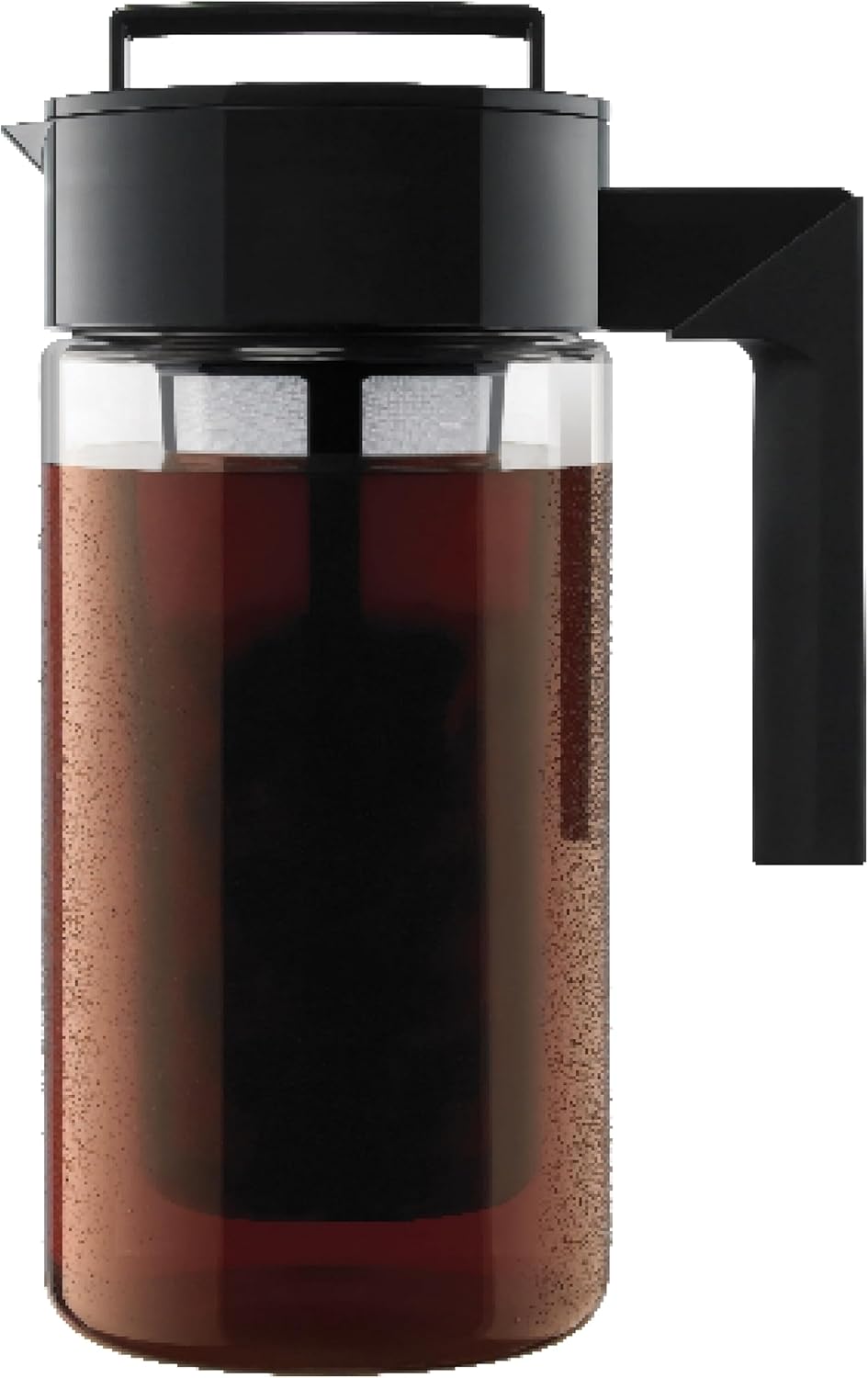
Visual guide about Why Cold Brew Coffee Is Taking Over Your Morning Routine
Image source: groundstobrew.com
The Science Behind the Smoothness
Heat causes coffee to release oils and acids rapidly, which can sometimes lead to bitterness. Cold water extracts fewer of these acidic compounds, so the final cup is mellow and easy to drink. This makes cold brew a great choice if you find traditional coffee too harsh or acidic.
Step 1: Choose Your Coffee Beans
The best cold brew starts with quality beans. Here’s what to look for:
- Freshness: Use freshly roasted coffee beans for the best flavor.
- Roast level: Medium to dark roast beans work well because they bring out rich, chocolatey, and nutty notes.
- Grind size: Use a coarse grind to prevent over-extraction and a gritty texture.
Step 2: Select the Right Cold Brew Coffee Maker
There are many cold brew coffee makers available, from simple mason jar setups to specialized devices. Your choice depends on convenience, batch size, and budget.
Popular Types of Cold Brew Makers
- Mason Jar Method: Affordable and simple, just a jar and a strainer.
- Cold Brew Coffee Maker with Filter: Designed for easy brewing and filtering, often reusable.
- Automatic Cold Brew Machines: More expensive but convenient for quick brewing and consistent results.
Choose a system that fits your routine and kitchen space.
Step 3: Measure Your Coffee and Water
A good starting ratio is 1:4 coffee to water for a concentrate, or 1:8 for ready-to-drink strength. For example:
- 1 cup coarsely ground coffee
- 4 cups cold, filtered water
You can adjust this ratio based on your taste preferences.
Step 4: Steep Your Coffee
Combine the coffee grounds and water in your cold brew maker or jar. Stir gently to make sure all grounds are wet.
Steeping Time
- 12 to 24 hours: Most recipes recommend steeping in the fridge for this period.
- Longer steeping: Can produce a stronger, more concentrated brew, but watch for bitterness after 24 hours.
Step 5: Filter Your Cold Brew
After steeping, it’s time to separate the coffee grounds from the liquid.
Filtering Tips
- Use a fine mesh strainer or a coffee filter to catch all grounds.
- Double filtration may be necessary if you want a very clear brew.
- Pour slowly to avoid stirring up sediment.
Step 6: Serve and Enjoy
You can drink cold brew coffee straight, dilute it with water or milk, or add ice cubes for a refreshing twist. Some popular serving ideas include:
- Cold brew with milk or cream: Adds richness and smoothness.
- Sweetened cold brew: Add simple syrup, vanilla, or flavored syrups.
- Hot cold brew: Heat your cold brew gently for a smoother hot coffee option.
Practical Tips for Making the Best Cold Brew Coffee
- Use filtered water: It makes a big difference in taste.
- Don’t rush the steeping: Patience is key for flavor extraction.
- Store cold brew in airtight containers: Keeps it fresh for up to two weeks.
- Experiment with beans and ratios: Find what suits your taste best.
Troubleshooting Common Issues
- Bitter taste: Try using a coarser grind or reduce steep time.
- Weak flavor: Increase coffee-to-water ratio or steep longer.
- Cloudy brew: Filter again with a finer filter.
- Sediment in cup: Use a double filter or decant the brew carefully.
Conclusion: Is Cold Brew Coffee Right for You?
Cold brew coffee offers a smooth, flavorful, and convenient way to enjoy your daily caffeine fix. Its low acidity and rich taste make it appealing to many coffee lovers. By following this guide, you can easily make delicious cold brew coffee at home and discover why it’s taking over morning routines everywhere. Give it a try—you might find your new favorite coffee ritual!