
Coffee Flavor Notes: A Confident Guide to Tasting, Identifying, and Describing Profiles
You can learn to spot flavor notes in coffee and use them to pick beans you’ll enjoy. Taste links you to origin, roast, and brewing — so you can tell why a coffee tastes fruity, nutty, or chocolatey and choose what fits your cup. Ethan Cole at Webrewcoffee.com often shows how small changes in grind, water, or roast unlock hidden flavors.
Start by slowing down and smelling before you sip, then note sweet, bright, or earthy cues. Try simple comparisons — two beans brewed the same way — and you’ll quickly notice differences that guide future choices.
Key Takeaways
- Learn basic tasting steps to identify key flavors in your coffee.
- Brewing and bean choices shape the flavors you taste.
- Simple experiments help you pick coffees that match your taste.
Understanding Coffee Flavor Notes
Coffee flavor notes describe specific tastes and aromas people notice in a cup. They come from the beans’ origin, processing, roast, and brewing. Tasting notes help identify qualities like acidity, sweetness, body, and distinct aromatic cues.
What Are Coffee Flavor Notes
Coffee flavor notes are short descriptions of what someone senses in aroma and taste, such as citrus, dark chocolate, or toasted almond. They come from natural compounds in the coffee bean, not from added syrups or milk. Compounds like acids, sugars, and volatile aromatics produce those sensations.
Tasters often use a standardized tool like the SCA Flavor Wheel to match sensations with common terms. Notes can be spoken as single words or combined into phrases — for example, “blackberry jam” or “baked apple.” Notes help talk about specific sensory cues rather than vague impressions.
Importance in Coffee Tasting
Flavor notes guide buying and brewing choices. They tell roasters and buyers whether a coffee will highlight bright fruit acidity, mellow chocolate tones, or herbal flavors. That makes matching coffee to consumer taste easier.
Professional cupping scores and specialty labels rely on consistent note language. This helps producers get fair prices and lets consumers find coffees they enjoy. Notes also help home brewers tweak grind, dose, or water to bring out desired characteristics.
How Flavor Notes Differ from Flavors
Flavor notes are descriptions of perceived sensory cues, while flavors refer to the actual taste and aroma compounds present. A flavor note like “citrus” points to acids and volatile compounds that create lemon or orange sensations. The note is a human label — the flavor is the chemical cause.
Notes can be subjective and vary by taster skill and context. Two people may both say “berry,” yet one means bright cranberry and another means jammy strawberry. To reduce mismatch, tasters use training, consistent brewing, and reference standards like the flavor wheel.
Factors Influencing Coffee Flavor Notes
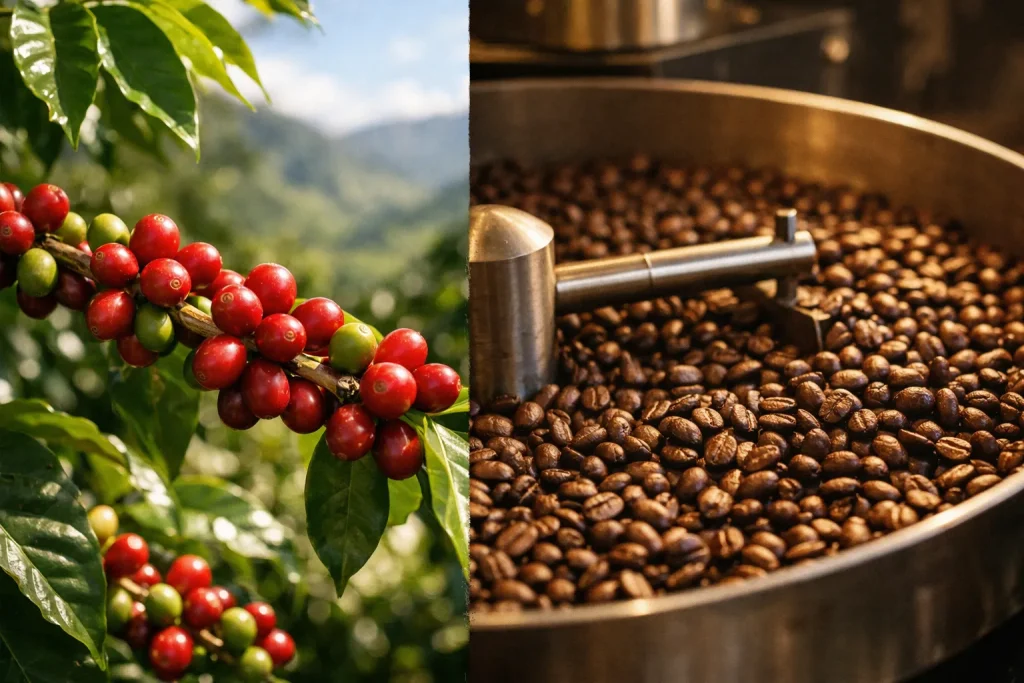
Beans show flavors from where and how they grew, how they were processed after harvest, and how they were roasted. These factors shape acidity, sweetness, body, and aroma in specific and measurable ways.
Coffee Origin
Growing region sets the baseline for flavor. High-elevation farms in Ethiopia often yield floral, tea-like acidity and bright fruit notes. Central American coffees from places like Costa Rica or Guatemala tend toward clean citrus and chocolate balance. Soil chemistry, rainfall patterns, and microclimates change sugar development and acidity in the bean.
Varietal matters too. Arabica cultivars such as Bourbon or Gesha carry different sweetness and aromatic compounds than disease-resistant hybrids. Farmers’ shade management and harvest timing also affect ripeness and uniformity, which change flavor clarity.
For deeper context on origins and varieties, see resources like coffee production on Wikipedia.
Processing Methods
Processing transforms the raw cherry into dry beans and alters flavor massively. Washed (wet) processing removes fruit quickly and tends to highlight bright acidity, clean flavors, and delicate floral or citrus notes. Natural (dry) processing leaves the bean in the fruit as it dries, often producing heavier body and pronounced fruitiness, like berry or jammy tones.
Honey or pulped-natural methods sit between washed and natural. They retain some mucilage during drying, adding sweetness, texture, and moderate fruit character. Fermentation control and drying conditions (sun vs. mechanical, temperature, airflow) also shape off-flavors or desired complexity.
Small changes in fermentation time or washing water quality can turn a coffee from citrus-clean to fermented or funky. For technical detail on processing and quality, see World Coffee Research.
Roast Level
Roasting develops and sometimes masks origin and processing signatures. Light roasts preserve origin traits: bright acidity, floral and fruity aromatics, and nuanced sweetness. Medium roasts increase body and caramel notes while softening acidity. Dark roasts push toward smoky, bitter, and roast-driven chocolate or toasted flavors.
Roast duration and temperature profile matter as much as final color. Faster, high-heat roasts can caramelize sugars differently than slow roasts, changing sweetness and bitterness balance. Roasters use cupping and sample roasting to match roast profile to each lot, aiming to highlight desirable notes while avoiding burnt or flat profiles.
Common Flavor Notes in Coffee
Coffee can taste like citrus, berries, nuts, chocolate, flowers, or spices depending on the bean, where it grew, and how it was processed and roasted. These traits help buyers and roasters describe and compare coffees.
Fruity Notes
Fruity notes range from bright citrus to jammy berries. Citrus flavors—lemon, lime, orange—are common in high-acidity coffees from East Africa or high-altitude Central America. Berry and stone-fruit notes—strawberry, blackberry, peach—often appear in washed or naturally processed coffees where fermentation emphasizes fruit sweetness.
Tasting fruitiness often ties to acidity and aroma. A light roast preserves those acidic, floral-fruit tones. For more background on origins and processing that create these qualities, the Specialty Coffee Association has useful resources on flavor profiling: Specialty Coffee Association.
Nutty and Chocolatey Notes
Nutty and chocolatey notes include almond, hazelnut, milk chocolate, and dark cocoa. These flavors usually show up in coffees from Latin America and in medium to darker roasts. The roasting process caramelizes sugars and develops Maillard reaction compounds that create warm, sweet, and roasted flavors.
Nutty notes often suggest a clean, balanced cup with moderate acidity. Chocolatey notes can range from sweet milk chocolate to bitter dark cocoa. Baristas and roasters use these descriptors to match coffee to brewing methods like espresso, which highlights chocolate and caramel tones.
Floral Notes
Floral notes mean aromas like jasmine, rose, or honeysuckle. These fragile aromas appear in light roasts and in coffees grown at high altitudes, especially in parts of Ethiopia and Yemen. Floral characteristics are often linked to specific varietals and careful processing.
Floral coffees tend to have low to medium body and pronounced, delicate aroma. To detect them, use a pour-over or cupping method that preserves volatile aromatics. World Coffee Research offers studies on how varietal and environment influence such traits: World Coffee Research.
Spice and Herbal Notes
Spice and herbal notes include cinnamon, clove, black pepper, and rosemary-like herbal tones. These qualities can come from origin, drying methods, or roast level. Indonesian coffees and some Central American lots often show spicy or earthy notes, while certain processing methods can accentuate herbal characters.
Spice notes add complexity and pair well with milk or sugar in brewed drinks. Herbal notes may present as tea-like or slightly savory. Brewers seeking these flavors should experiment with brewing time and temperature to either emphasize or soften the spicy-herbal elements.
How to Identify Coffee Flavor Notes
Identifying coffee flavor notes takes focused smelling, tasting, and comparison. The reader will learn to use a flavor wheel, practice cupping steps, and train senses with targeted exercises.
Using a Coffee Tasting Wheel
A coffee tasting wheel organizes flavors from broad groups into specific notes. Start with main categories like Fruity, Floral, Nutty, and Chocolate, then move outward to find precise descriptors such as “berry,” “jasmine,” or “almond.”
Use this quick method:
- Smell the coffee first. Note one or two dominant impressions.
- Compare those impressions to the wheel’s central categories.
- Narrow to specific terms on the outer rings.
Print a wheel or keep one on a phone while tasting. Mark the closest match and repeat with different brews to build a personal reference. The wheel speeds recognition and gives consistent language for tasting.
Cupping Techniques
Cupping gives a repeatable way to taste and record flavor notes. Use these steps:
- Grind coffee medium-coarse and place 8–12 g per 150 ml water in separate cups.
- Smell dry grounds, then pour hot water (93–96°C) and wait 3–4 minutes.
- Break the crust with a spoon, inhale the aroma, then skim grounds.
After skimming, cool slightly and taste by slurping to spray coffee across the tongue. Record acidity, sweetness, body, and any specific notes. Use identical ratios, water, and timers to compare beans fairly. Repeat samples blind to reduce bias.
Developing Sensory Skills
Training senses helps identify subtle notes reliably. Practice smelling single-item sets: citrus peels, chocolate, roasted nuts, and berries. Do short daily sessions of 5–10 minutes.
Keep a tasting journal with: coffee name, roast level, brew method, and three main notes. Review entries weekly to spot patterns. Pair unfamiliar coffees with known foods to anchor new descriptors. For example, match a coffee that smells like lemon with an actual lemon slice to reinforce the memory.
Work in groups or compare notes with peers to expand vocabulary. Regular, focused practice sharpens detection and makes note identification faster and more accurate.
Impact of Brewing Methods on Flavor Notes
Different brewing styles change which compounds the water pulls from coffee. Variables like contact time, grind size, and filtration shape acidity, body, and sweetness in clear, predictable ways.
Pour Over
Pour-over uses a paper or cloth filter and relatively fast water flow. This removes most oils and fine particles, producing a clean cup that highlights bright acidity and delicate floral or fruity notes.
Grind size is medium-fine to medium. A finer grind increases extraction and can reveal citrus, berry, or tea-like flavors; a coarser grind yields milder acidity and more rounded sweetness.
Water temperature and pour technique matter. Water near 92–96°C and a steady, even pour emphasize clarity and aromatic lift. Pour-over suits single-origin coffees and light roasts that show origin characteristics.
Espresso
Espresso forces hot water through finely ground coffee at high pressure. This concentrates flavor, intensifies sweetness, and can turn subtle notes into syrupy, caramel, or chocolate tones.
Extraction time is short—about 20–30 seconds—so dose, grind, and tamp pressure must be precise. Small changes can shift balance between bright acids and bitter compounds.
Crema and suspended oils add mouthfeel. Espresso emphasizes body and concentrated taste, often transforming floral or fruity hints into jammy, toffee, or roasted-nut notes.
French Press
French press is an immersion method using a metal mesh filter. It allows oils and micro-grounds into the cup, producing a full-bodied, textured brew with pronounced mouth-coating quality.
Steep time typically ranges from 3 to 5 minutes. Longer steeps extract more sweetness and bitterness; shorter steeps preserve floral or citrus notes. Grind size is coarse to limit over-extraction.
This method highlights roasted, chocolate, and nutty flavors while softening sharp acidity. It suits medium-dark roasts and blends that benefit from a heavier body.
Cold Brew
Cold brew uses long extraction in cold or room-temperature water over 12–24 hours. The low temperature suppresses acidity and volatile aromatics, yielding a smooth, low-acid cup with pronounced sweetness.
Grind is coarse, and coffee-to-water ratios are higher for concentrate. Extended contact time pulls soluble sugars and lipids, often producing chocolate, caramel, and molasses-like notes.
Cold brew masks delicate floral and citrus tones but brings forward chocolate, nut, and brown-sugar flavors. It works well for people sensitive to acidity or who prefer a mellow, sweet profile.
Pairing Coffee with Food Based on Flavor Notes
This section shows how to match specific coffee flavors to foods that bring out the coffee’s best traits. It focuses on sweet and savory matches with clear examples and simple rules to follow.
Sweet Pairings
They match coffees with bright fruit or chocolate notes to desserts and breakfast treats. For example, a light roast with citrus and berry notes pairs well with lemon tart or fresh berries. The coffee’s acidity lifts the fruit’s brightness and keeps the pairing from becoming too sweet.
Coffees with chocolate, caramel, or nutty notes work well with brownies, almond croissants, or caramel flan. These pairings emphasize shared flavors: chocolatey coffee enhances a brownie’s cocoa, while caramel notes in coffee echo a caramel flan.
Use contrast when needed. A sweet pastry can become cloying with a very sweet coffee, so choose a medium roast with balanced acidity to cut through richness. Serve slightly cooler coffee with chilled desserts to avoid masking delicate flavors.
Savory Pairings
They pair coffees with earthy, spicy, or herbal notes to savory dishes like cheese, cured meats, and eggs. For instance, a medium-bodied coffee with chocolate and nut notes complements smoked salmon on rye or aged goat cheese. The coffee’s body supports savory fat without overpowering it.
Spicy or floral coffees suit dishes with herbs or pepper. A coffee that shows jasmine or bergamot pairs with thyme-roasted chicken or a peppered steak. The floral top notes lift herbal flavors while the coffee’s bitterness balances savory salt.
Heavier, earthy coffees match hearty foods. A dark roast with roasted cocoa and low acidity goes well with mushroom stew or grilled sausages. The coffee’s roasted flavors echo the char and umami of the dish, making each bite and sip feel cohesive.
How to Enhance and Preserve Coffee Flavor Notes
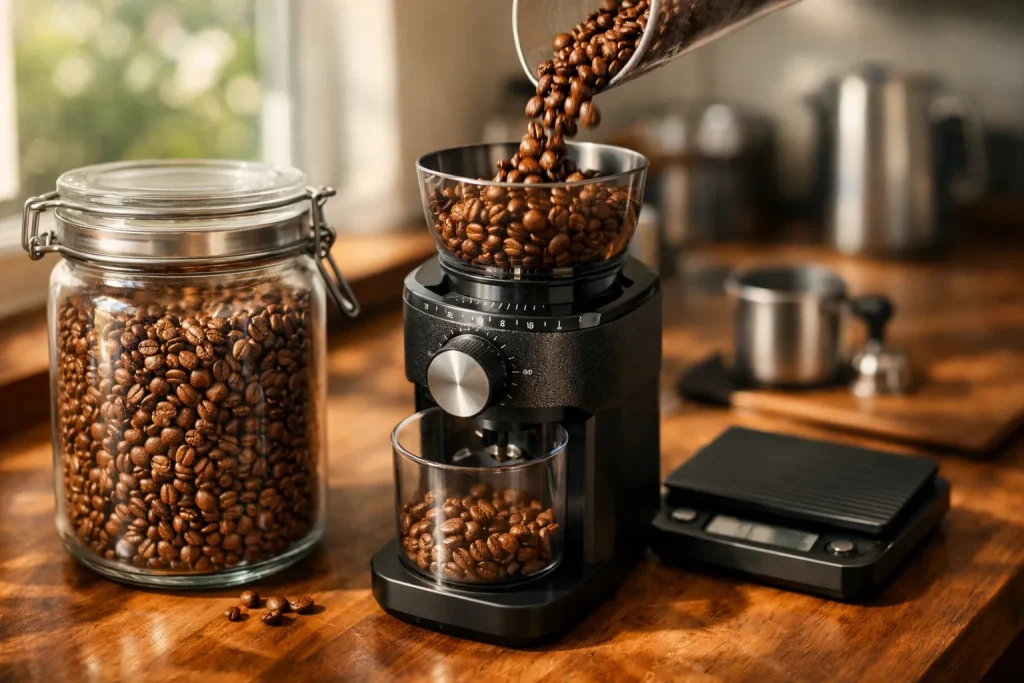
Keep beans away from oxygen, heat, light, moisture, and strong smells. Grind only what is needed and match grind size, dose, and brew time to the brewing method to highlight desired notes.
Proper Storage
Store whole beans in an opaque, airtight container with a one-way valve if possible. Place the container in a cool, dark spot away from the oven, windows, and direct sunlight. Avoid the fridge or freezer for daily-use coffee; repeated temperature changes add moisture and dulls aroma.
For long-term storage, vacuum-sealed bags in the freezer can work for months. Thaw sealed bags fully before opening to prevent condensation. Label bags with roast date and origin so rotation and tracking remain simple.
Freshness and Grinding
Use beans within 2–4 weeks of roast for best flavor. Roast date matters more than roast level; check the bag and buy recent roasts from trusted roasters. Grind seconds before brewing to preserve volatile aromatics that carry citrus, floral, or fruity notes.
Match grind size to brew method: coarse for French press, medium for drip, fine for espresso. Inconsistent grind creates uneven extraction and masks delicate notes. Use a burr grinder for steady particle size and adjust by small steps to dial in sweetness and acidity.
Brewing Variables
Control water temperature, brew ratio, and time to bring out specific notes. Aim for 195–205°F (90–96°C) for most brews. Use a scale and timer: start with a 1:16 coffee-to-water ratio and adjust to taste.
Pouring technique and agitation change extraction. A bloom pour of 30–45 seconds helps release gases and open up brightness. Shorter contact highlights acidity and fruitiness; longer contact boosts body and chocolatey notes. Filter type also matters: paper filters mute oils and emphasize clarity, while metal filters increase body and highlight chocolate or nutty tones.
Describing Coffee Flavor Notes Accurately
Describing coffee flavor notes requires clear, consistent words and a way to compare what you taste to known references. Precision in terms and using tools like a flavor wheel help make descriptions useful for others.
Common Vocabulary
They should pick specific words that match the coffee’s taste and smell. Use single-word descriptors like citrus, chocolate, berry, floral, nutty, and caramel. Add modifiers for intensity: light, medium, or strong. Describe where the flavor appears: aroma (smell before tasting), underlying (background), or finish (aftertaste).
Note mouthfeel terms too: clean, syrupy, watery, creamy, or astringent. Acidity gets described as bright, sharp, mellow, or soft. Avoid vague words like “good” or “complex” without detail.
| Category | Example Words | When to Use |
|---|---|---|
| Fruit | Berry, citrus, stone fruit | When tasting fruity brightness or sweetness |
| Sweet | Caramel, honey, chocolate | For perceived sugar-like flavors and richness |
| Texture | Creamy, syrupy, thin | To report body and mouthfeel |
| Acidity | Bright, soft, sharp | For perceived liveliness or tang |
Using Flavor Note References
They should use a flavor wheel or a coffee cupping form to check terms and stay consistent. A wheel groups related flavors and helps match a vague impression to a more exact term. For example, “fruity” can narrow to “blueberry” or “orange” when compared side by side.
Reference real foods when possible: say “dark chocolate” instead of just “chocolate.” Use intensity scales (1–5) for aroma, acidity, body, and aftertaste to quantify impressions. Keep tasting notes short and factual: list primary flavors, mouthfeel, acidity level, and where flavors appear (first sip, midpalate, finish).
Exploring Unique and Rare Coffee Flavor Notes
Rare coffees often show flavors that differ from everyday blends. They can carry bright fruit notes like blueberry or complex floral tones such as jasmine. These flavors come from specific regions, heirloom varietals, and careful processing.
Higher elevations and rich soil give beans more acidity and delicate aromatics. Processing methods — washed, natural, or honey — change sweetness and body. For example, natural-processed beans might taste fruity, while washed beans can taste cleaner and brighter.
Collectors and roasters look for unusual notes like bergamot, tamarind, or black tea. These notes appear in small-batch lots from places like Ethiopia, Guatemala, or Sumatra. Variations in harvest timing and fermentation also create one-of-a-kind profiles.
Try this quick tasting checklist to spot rare notes:
- Smell first: floral or fruity hints often appear on the nose.
- Sip slowly: note acidity, body, and any lingering flavors.
- Rinse between cups: water clears the palate and reveals subtle layers.
Bold labeling can help identify rarity. Terms like “single-origin,” “microlot,” or “heirloom varietal” often signal something unique. Heirs and small farms usually focus on flavor over volume, so those coffees tend to show more distinct notes.
FAQs
What are coffee flavor notes?
They are short descriptions of tastes and aromas people notice in coffee, like citrus, chocolate, or floral. They help describe how a coffee smells and tastes without being technical.
Are flavor notes objective?
Some parts are based on measurable compounds in the bean, but perception is partly subjective. Different people can detect different notes in the same cup.
How should a beginner use tasting notes?
Use them as a guide when choosing coffee. Try coffees with one or two notes you like, and keep a simple log of what each coffee tastes like to you.
Do roast and origin affect notes?
Yes. Region, processing, and roast level change which notes appear. For example, lighter roasts often highlight fruity or floral notes, while darker roasts bring out chocolate or caramel notes.
Can anyone train their palate?
Yes. Tasting regularly, comparing beans side-by-side, and using tools like the SCA Flavor Wheel speeds learning. Patience and practice matter more than innate skill.
Quick tips for tasting at home:
- Smell the dry grounds, then the brewed coffee.
- Take small sips and notice acidity, body, and aftertaste.
- Taste coffees in neutral order (light to dark) to avoid fatigue.
Common mistake to avoid:
Expecting every note on a bag label to appear. Labels suggest possibilities, but personal experience may vary.
Conclusion
Coffee flavor notes help people choose beans and enjoy each cup more. They describe real tastes and aromas that come from the bean, the region, and the roast.
Tasters use simple words like fruity, nutty, floral, and chocolatey to share what they find. Learning a few common notes makes shopping and tasting easier.
Practice and patience sharpen the palate. Over time, anyone can learn to spot flavors and pick coffees they like.