
Why Coffee Tastes Bitter: Causes, Brewing Fixes, and How to Avoid It
You pour a cup and wince—why does coffee taste bitter? Most often, bitterness comes from over-extraction during brewing or from beans that are too dark or stale. Fixing grind size, water temperature, brew time, and using fresh, well-roasted beans will usually make your coffee less bitter.
Ethan Cole from Webrewcoffee.com notes that small changes in technique give big flavor gains. Try a coarser grind, brew with water around 195–205°F, shorten contact time, and store beans airtight to start tasting cleaner, brighter cups.
Key Takeaways
- Bitterness usually means you pulled too many compounds from the grounds.
- Simple tweaks to grind, temperature, and timing cut bitterness fast.
- Fresh, properly roasted beans and clean gear make better coffee.
The Science of Coffee Bitterness
Bitterness in coffee comes from specific molecules, brewing extraction, and roast-driven chemical changes. These factors interact so small changes in grind, water, or roast shift the cup from balanced to sharply bitter.
Chemical Compounds Responsible for Bitter Taste
Several compound groups drive bitterness. Chlorogenic acid derivatives break down during roasting into phenolic compounds and quinic acid, which taste sharp and astringent. Alkaloids like trigonelline and small amounts of amino-acid reaction products also add bitter notes.
Polyphenols and melanoidins formed in roast reactions contribute lingering bitterness and body. Minerals and dissolved solids in brewing water change how these compounds dissolve and are perceived. Lower-quality beans often contain higher levels of broken-cell material that over-extracts into bitter compounds.
Managing extraction time, grind size, and water chemistry helps control how much of these bitter molecules end up in the cup.
Role of Caffeine in Bitterness
Caffeine is bitter, but it is not the main driver of coffee’s harsh bitterness. A typical 8-ounce cup contains about 95 mg of caffeine; that amount contributes a mild underlying bitterness, not the sharp, astringent bitterness many people notice.
Perception varies by genetics: some people have more bitter receptors and sense caffeine more strongly. Caffeine’s bitterness can also interact with other compounds, making the overall cup seem more bitter when over-extraction or dark roast compounds are present.
Adjusting brew strength and grind can change caffeine extraction slightly, but fixing harsh bitterness usually requires addressing roast level and extraction rather than caffeine alone.
How Roasting Influences Flavor Profiles
Roasting transforms bean chemistry and creates many bitter compounds. Light roasts preserve more acids and floral notes, while medium and dark roasts produce more Maillard reaction products and caramelized sugars. Continued roasting breaks down sugars and acids into bitter phenols and quinic acid.
Degree and duration of roast matter: a fast, high-heat roast can produce different bitter compounds than a slow, long roast. Darker roasts mask acidity with smoky, bitter flavors and higher melanoidin levels. Roast defects or overly dark beans intensify sharp bitterness and reduce perceived sweetness.
Roast choice should match brewing method and personal taste. Lighter roasts with controlled extraction often yield less harsh bitterness than over-roasted beans brewed aggressively.
Factors Affecting Coffee Bitterness
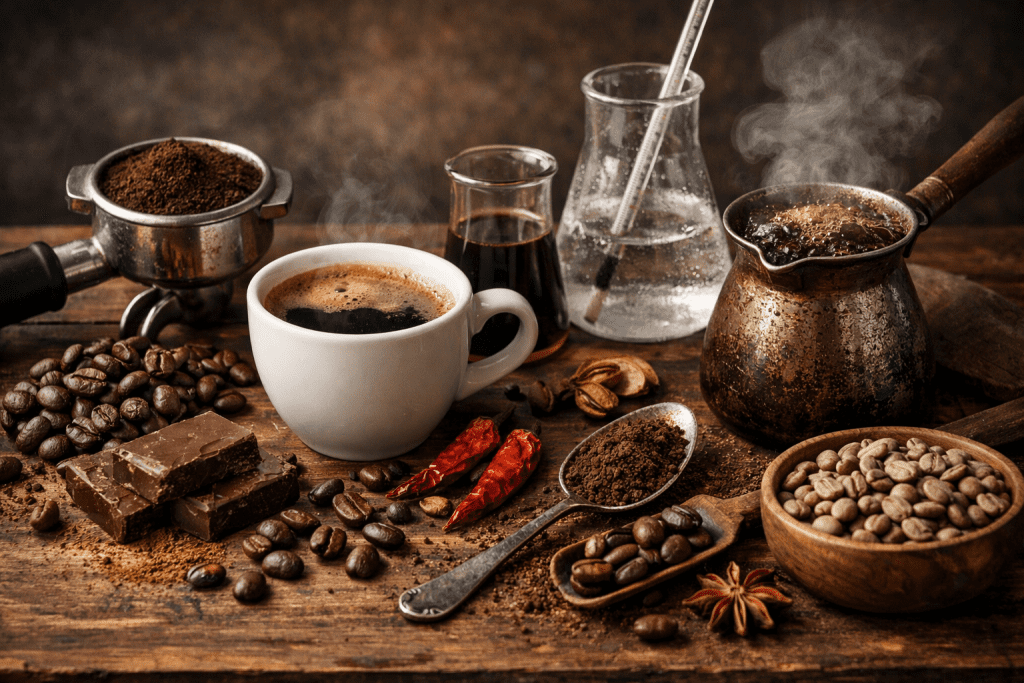
Bitterness comes from several concrete factors: the bean type and where it grew, how darkly it was roasted, and how finely it’s ground. Each factor changes which compounds end up in the cup and how strongly they taste.
Bean Variety and Origin
Different coffee species and varieties contain different levels of natural acids, sugars, and alkaloids that affect bitterness. Arabica beans generally have lower bitter alkaloids and more desirable sweetness than robusta, which often tastes harsher and more bitter. Altitude and soil also matter: beans grown at higher elevations tend to develop more sugars and acidity, which balance bitterness better.
Processing and freshness change bitterness too. Natural or dry-processed beans can taste fruitier and mask bitterness, while poorly processed beans may develop off-flavors. Look for information from trusted sources like the World Coffee Research to learn how origin traits affect cup profile.
Roast Level Differences
Roast level strongly shifts flavor chemistry. Light roasts keep more acidity and floral or fruity notes, which can reduce perceived bitterness. Medium roasts balance acidity and sweetness and suit most palates. Dark roasts break down sugars and create more bitter, smoky compounds from carbonization.
Timing and temperature in the roast create bitter compounds like quinic and phenolic derivatives. Two beans with the same origin can taste very different if one is roasted to a dark French profile and the other to a light city roast. Roasters who aim to limit bitterness often stop the roast earlier and manage heat ramps carefully.
Grind Size Impact
Grind size controls extraction speed and which compounds dissolve into the brew. Finer grinds increase surface area and extraction, pulling more bitter compounds quickly. Coarser grinds slow extraction and can prevent over-extraction, which causes harsh bitterness.
Match grind to the brewing method. Espresso needs fine grind and short contact time; if grind is too fine, espresso tastes burned and bitter. For pour-over and French press, adjust grind coarser or finer in small steps to fix sourness or bitterness. Consistent particle size also matters; a quality grinder reduces fines that lead to uneven over-extraction. For brewing guides and standards, the Specialty Coffee Association offers useful references.
Brewing Methods and Bitterness
Different brewing choices directly change how much bitter compound ends up in the cup. Grind size, water temperature, and brew time each pull different flavors from the same beans, so adjusting them helps reduce harsh bitterness and bring out sweetness.
Extraction Time Effects
Extraction time controls how long water contacts coffee grounds and which compounds dissolve. Short extraction under-extracts, leaving sour or weak flavors. Long extraction over-extracts, pulling more bitter tannins and astringent compounds.
For pour-over and drip, aim for a total contact time of about 2.5–4 minutes depending on grind size. French press needs 3.5–5 minutes; steeping much longer extracts excess bitterness. Espresso extracts in 20–30 seconds; shots that run much longer taste burnt and bitter.
If coffee tastes bitter across methods, shorten the contact time by using a coarser grind, faster pour technique, or earlier stopping. If adjusting time affects strength, change the coffee-to-water ratio instead of extending extraction.
Water Temperature Considerations
Water temperature affects extraction speed and which compounds dissolve first. Hotter water speeds extraction and draws bitter compounds like chlorogenic acid breakdown products. Cooler water extracts more slowly and can preserve sweetness and acidity.
Most methods work well between 195–205°F (90–96°C). For lighter roasts or pour-over, try 190–195°F (88–90°C) to reduce sharp bitterness. For dark roasts or espresso, keep closer to 200–205°F to avoid under-extraction that causes sourness.
Use a thermometer or kettle with temperature control to hit these targets. If bitterness persists despite correct timing, test lowering the temp by 5°F (about 3°C) and taste the change.
Coffee-to-Water Ratio
The coffee-to-water ratio sets the brew strength and influences perceived bitterness. Too much coffee for the water makes a brew overwhelming and bitter. Too little coffee makes it weak and may taste acidic instead.
Common starting points: 1:15–1:17 (coffee by weight) for pour-over and drip, 1:12–1:14 for French press, and about 1:2 for espresso (dose). Adjust in small steps—change by 0.5–1 g per 100 g water—and taste each change.
If changing ratio affects bitterness, combine adjustments: coarser grind plus slightly less coffee often smooths flavor without losing body. For more detail on ratios and extraction science, consult the Specialty Coffee Association or the extraction guides on Wikipedia.
Common Mistakes That Increase Bitterness
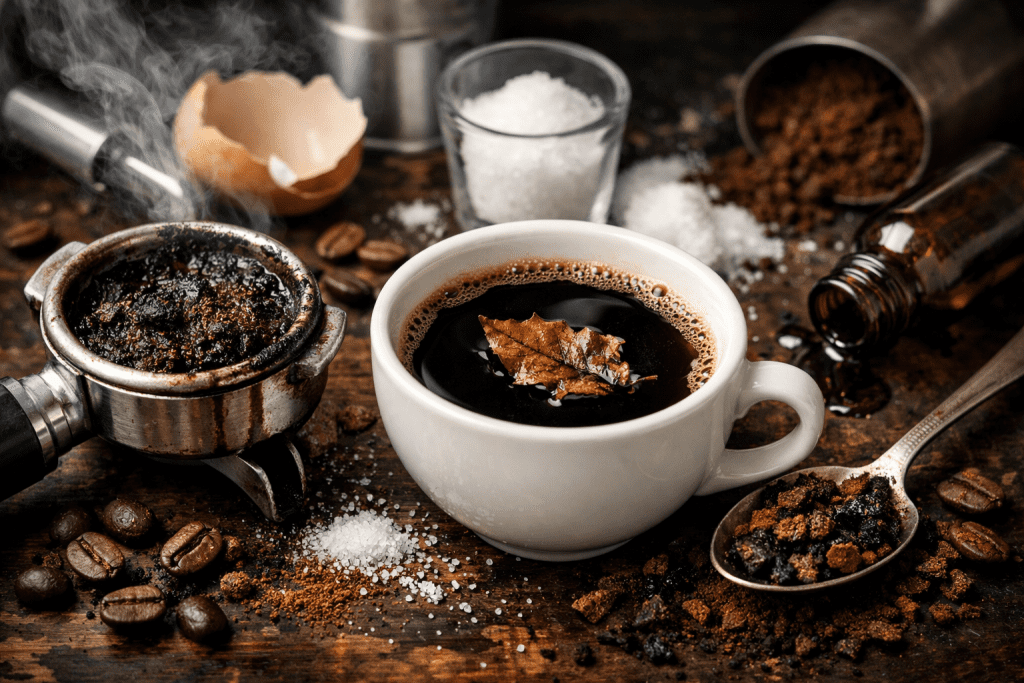
Bitterness most often comes from extracting the wrong compounds or using beans that lost their sweet and fruity oils. Small changes to grind, time, temperature, and bean freshness usually fix the problem.
Over-Extraction Issues
Over-extraction happens when water pulls too many soluble compounds from coffee grounds, including harsh bitter molecules. This usually results from one or more of the following: water that is too hot, brew time that is too long, or grind size that is too fine.
- Water temperature: Keep it between 195–205°F (90–96°C). Hotter water speeds extraction of bitter compounds.
- Brew time: Shorten contact time for methods like French press or pour-over if the cup tastes sharp.
- Grind size: Use a coarser grind to slow extraction for immersion methods; use a finer grind for very short brew times like espresso, but avoid going too fine.
Dirty equipment and incorrect water-to-coffee ratios also push extraction too far. He or she should rinse filters and regularly clean grinders and brewers. Adjust one variable at a time to find the right balance.
Using Stale Beans
Stale beans lose volatile aromatics and develop flat or dull flavors that can be perceived as bitter. Oxygen, light, and heat degrade oils and acids in roasted coffee quickly.
- Storage: Keep beans in an opaque, airtight container at room temperature. Avoid the fridge or freezer for daily beans.
- Roast date: Use beans within 2–4 weeks after roast for peak flavor. Very fresh beans (within 3–7 days) can taste brighter, but some methods benefit from a slight rest.
- Pre-ground coffee: Grinding increases surface area and speeds staling. Grind right before brewing to protect flavor.
Over-roasted or dark-roast beans naturally contain more bitter compounds. Choose a lighter roast or a single-origin with clearer flavor if bitterness persists.
Tips to Reduce Coffee Bitterness
Small changes in brewing and bean choice make the biggest difference. Focus on grind size, water temperature, brew time, and roast level to cut harsh flavors and bring out sweetness.
Adjusting Brewing Techniques
They should check grind size first. If coffee tastes bitter, use a coarser grind to avoid over-extraction. For pour-over and drip, aim for a medium-coarse grind; for French press, use coarse grounds.
Water temperature matters. Lower it to about 195–200°F (90–93°C) for most brews; reduce by 5°F (about 3°C) if bitterness persists. Hotter water pulls more bitter compounds.
Brew time and dose affect extraction. Shorten brew time by 15–30 seconds for pour-over or reduce steep time for French press. Use a scale to try a 1:16 coffee-to-water ratio (for example, 15 g coffee to 240 g water) and adjust a few grams either way.
They can also rinse paper filters before brewing to remove papery flavors. Finally, use clean equipment; old oils and residues add harshness.
Selecting the Right Beans
They should choose medium roasts instead of very dark roasts to reduce burnt, bitter notes. Dark roasts can taste bitter from the roasting process.
Freshness matters. Buy whole-bean coffee roasted within the past few weeks and grind just before brewing. Stale beans taste flat and more bitter.
Origin and processing affect flavor. Beans from Central or South America often show nutty, chocolatey notes that balance bitterness. Washed-process beans usually taste cleaner and less bitter than some natural-processed beans.
Quality matters more than price. Look for beans labeled with roast date and origin, and try small bags to find the profile that tastes least bitter to them.
When Bitterness Is Desirable in Coffee
Bitterness can add structure and balance to coffee. It can highlight roast character, pair with sugar or dairy, and match cultural taste traditions.
Complexity in Flavor Profiles
Bitterness often acts like a counterpoint to sweetness and acidity. In darker roasts, roasted sugars caramelize and bitter notes from Maillard reactions and carbonization give the cup body. Skilled roasters aim for a measured bitterness that supports chocolate, nut, or smoky flavors rather than hiding them.
Baristas and tasters look for balance on the palate. A controlled bitter edge can make floral or fruity notes feel more vivid. In espresso, a touch of bitterness improves crema and mouthfeel, adding a lasting finish that many drinkers expect.
Brewing technique shapes how bitterness shows up. Short, high-pressure extraction in espresso concentrates bitter compounds differently than a longer French press steep. Adjusting grind size, dose, and water temperature helps keep bitterness complementary instead of dominant.
Cultural Preferences for Bitterness
Different regions value bitterness in coffee for historical and social reasons. In parts of Europe and the Middle East, darker roasts and strong, bitter brews are traditional and tied to local foodways and rituals. People raised on those styles expect a bold, slightly bitter cup.
Coffee culture and serving style influence taste too. Espresso-based drinks in cafes often accept more bitterness because they pair with milk and sugar. In contrast, many specialty pour-over drinkers prefer lighter, cleaner cups with less bitterness to highlight origin flavors.
Retailers and roasters cater to these preferences. They design roasts and blends to hit target bitterness levels for markets, using origin beans, roast profiles, and post-roast blending to achieve the expected taste.
FAQS
What causes bitter coffee?
Bitter coffee usually comes from over-extraction. If water stays too long with the grounds, or the grind is too fine, extra bitter compounds get pulled out. Dark roasts and Robusta beans also taste more bitter by nature.
Can brew temperature make coffee bitter?
Yes. Water hotter than about 205°F (96°C) extracts bitter compounds faster. Using water between 195–205°F (90–96°C) helps balance flavor. Room for small adjustments exists depending on roast and method.
Do stale beans cause bitterness?
Stale or old beans can taste flat and more astringent, which some people call bitter. Fresh beans stored in an airtight container and used within a few weeks give cleaner flavor.
Will changing grind size help?
Adjusting grind size often fixes bitterness. A coarser grind reduces over-extraction for methods like French press. A finer grind may suit espresso but can increase bitterness if brewed too long.
Should sugar or milk be used to mask bitterness?
Sugar and milk can hide bitterness, but they don’t fix the brewing issue. It’s better to adjust grind, time, temperature, or bean choice for a naturally balanced cup.
When should equipment be cleaned?
Dirty equipment adds stale oils and bitterness. Clean grinders, filters, and machines weekly for best flavor. Regular maintenance prevents off-tastes.
What coffee-to-water ratio works best?
A common starting point is 1:15 to 1:17 (coffee to water by weight). Tweaking the ratio helps reduce bitterness or sourness depending on other variables.
Conclusion
They can fix bitter coffee by checking three main things: beans, grind, and brewing. Fresh, well-roasted beans reduce harsh bitter notes.
If extraction is too long or water too hot, bitterness grows. Adjust grind coarseness, shorten brew time, or lower temperature to improve balance.
Water quality and coffee-to-water ratio also matter. Using clean water and a balanced ratio helps flavors shine.
Small changes make big differences. With simple tweaks, they can turn a bitter cup into a smoother, more pleasant brew.