Decaf Coffee Myths Debunked: What Science Really Says About Caffeine, Flavor, and Health
You sit with a cup and wonder if decaf is really weaker, less tasty, or somehow unsafe. Ethan Cole from Webrewcoffee.com says modern decaf often matches regular coffee in flavor and quality, and many myths stem from old methods and misconceptions.
Decaf can deliver full coffee flavor with very little caffeine when processed with methods like the Swiss Water or CO₂ processes.
This post will strip away old stories and show which claims hold up, which don’t, and how to pick decaf that tastes great. You’ll get clear tips on choosing beans, brewing well, and avoiding common traps that still give decaf a bad name.
Key Takeaways
- Decaf can keep real coffee flavor when processed correctly.
- Health and caffeine concerns are often overstated.
- Choosing good decaf and proper brewing makes a big difference.
What Is Decaf Coffee?
Decaf coffee is made from real coffee beans with most of the caffeine removed. It keeps the bean’s flavor and aroma so people can enjoy coffee without the strong stimulant effects.
Decaffeination Methods
Decaffeination removes caffeine from green (unroasted) beans before roasting. Common methods include:
- Solvent-based (direct or indirect): Beans contact a solvent like ethyl acetate or methylene chloride to pull out caffeine. The solvent is removed and beans are rinsed. This method is efficient and widely used.
- Swiss Water Process: Uses water and osmosis to extract caffeine without chemical solvents. It relies on solubility and activated carbon filters to trap caffeine. Many consider it a cleaner option.
- CO2 (supercritical carbon dioxide): Uses pressurized CO2 to selectively dissolve caffeine. This method preserves flavor compounds well and is common for specialty beans.
- Triglyceride process: Uses natural oils from coffee husks to draw out caffeine at high temperature. It’s less common but aimed at maintaining flavor.
Each method affects flavor differently and may be labeled on packaging. Price, scale, and desired taste guide roasters’ choices.
How Much Caffeine Remains?
Decaf is not caffeine-free. Typical per-cup amounts range from about 2 to 5 mg of caffeine. By comparison, a regular cup often has 70 to 140 mg, depending on roast, brew method, and cup size.
Factors that change residual caffeine include bean variety (robusta has more caffeine than arabica), decaffeination method, and brewing strength. Espresso shots from decaf can contain more caffeine per ounce than a weak brewed decaf cup. People sensitive to caffeine should still watch portions and timing, especially before sleep or if advised by a doctor.
Decaf Versus Regular Coffee
The main difference is caffeine content; decaf has most removed while regular keeps it. Flavor profiles overlap: well-processed decaf can retain similar acidity, body, and notes as regular beans.
Nutrition is similar for both: calories, antioxidants, and many bioactive compounds remain after decaffeination. Some subtle compounds that affect taste change during decaffeination and roasting, so very cheap decaf may taste flat. Brewing techniques that suit regular coffee—fresh grind, right water temperature, correct ratio—also improve decaf.
Common Myths About Decaf Coffee
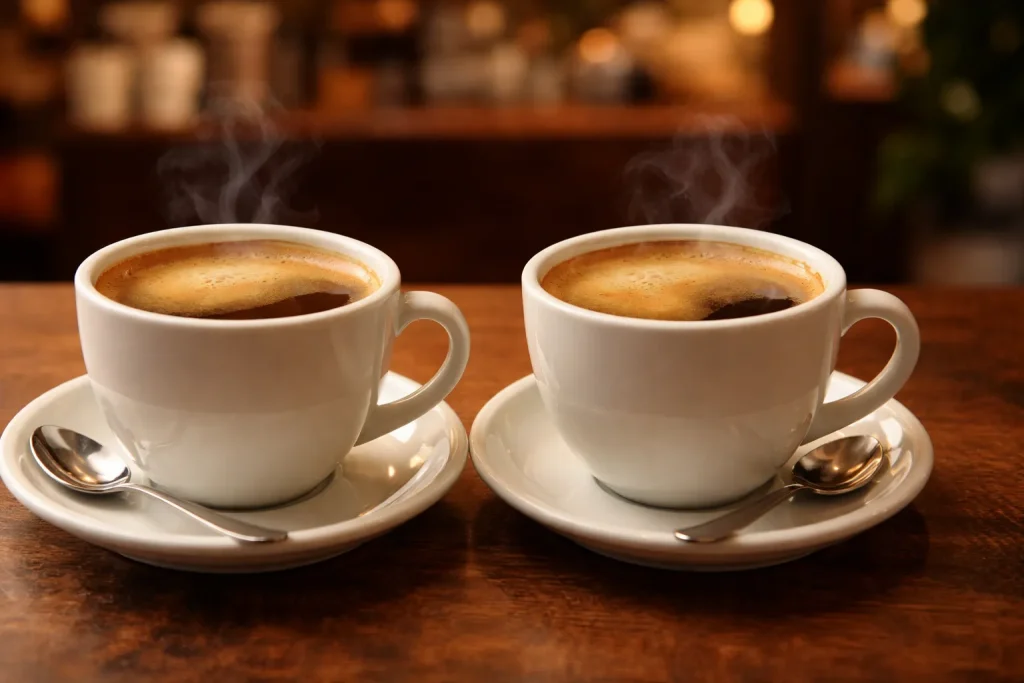
Decaf coffee often faces three main myths: that it contains no caffeine, that its processing is unsafe, and that it tastes weak or flat. Each idea has a factual side worth knowing.
Decaf Coffee Is Completely Caffeine-Free
Decaf is not 100% caffeine-free. Most decaffeination removes about 97% or more of caffeine, so a typical 8-ounce cup contains roughly 2–7 mg of caffeine compared with 70–140 mg in regular coffee. Very sensitive people, pregnant people, or those avoiding any caffeine should note that even small amounts can matter.
Labels sometimes state “decaffeinated” but not the exact milligrams. For precise limits, check the roaster’s testing data or ask the seller. Research and standards from groups like the Specialty Coffee Association explain typical residual levels and testing methods.
Decaf Coffee Is Harmful to Health
Decaf is safe for most people when produced by modern methods. Common processes include Swiss Water, CO2, and solvent-based methods. The Swiss Water and CO2 processes avoid chemical residues entirely, while solvent methods use compounds that are removed before roasting.
Studies do not show long-term health risks from properly processed decaf. People with specific health issues should consult their doctor, but nutrition experts often recommend decaf for those who need less caffeine. For independent background on decaffeination methods, see the overview on Wikipedia.
Decaf Coffee Lacks Flavor
Decaf can have full, complex flavor when producers start with high-quality beans and roast carefully. Early decaffeination sometimes stripped oils and compounds that give coffee its character, causing bland cups. Today, specialty-grade decaf often uses Arabica beans and tailored roasts to preserve acidity, body, and aroma.
Brewing technique matters too: grind size, water temperature, and brew time influence extraction. Tasting side-by-side, many people find well-made decaf comparable to regular coffee in sweetness and balance. Shops and roasters that highlight tasting notes and processing details usually offer the best-flavored decaf.
Health Impacts of Decaf Coffee
Decaf coffee keeps many of the same compounds as regular coffee while removing most caffeine. It can offer antioxidants and lower stimulant effects, which affect nutrition, heart risk, and who should choose it.
Nutritional Content
Decaf retains most antioxidants, such as polyphenols and hydrocinnamic acids, that help reduce inflammation and protect cells. A typical 8‑ounce cup of decaf has negligible calories when consumed black and contains trace amounts of vitamins and minerals—mainly small levels of potassium and magnesium.
Most of the nutritional value comes from those antioxidant compounds rather than macronutrients. Processing can slightly change the flavor and reduce some volatile compounds, but the core antioxidant profile stays similar to regular coffee. For readers wanting more technical details on compounds, World Coffee Research and the coffee overview on Wikipedia explain coffee chemistry and varieties.
Effects on Heart Health
Decaf generally has a neutral or slightly beneficial effect on common heart risk markers. Studies show it does not significantly raise blood pressure in most people the way caffeinated coffee can. That makes decaf a safer choice for those with hypertension concerns.
Decaf also appears linked with modest reductions in risk factors like inflammation and certain liver enzymes, which indirectly support cardiovascular health. People with existing heart rhythm issues may still need individualized advice, because other coffee compounds can affect heart rate in sensitive individuals.
Suitability for Sensitive Individuals
Decaf suits people who react poorly to caffeine: those with anxiety, insomnia, acid reflux, or certain arrhythmias. It reduces jitteriness and sleep disruption while preserving coffee’s taste and ritual. However, decaf still contains about 2–7 mg of caffeine per cup, so highly sensitive people should test tolerance.
Some decaffeination methods use solvents or CO2; properly processed decaf follows strict safety rules and leaves minimal residues. People with severe GERD or chemical sensitivities should check processing methods or choose brands that use Swiss Water or CO2 methods.
Taste and Quality Considerations
Decaf can match regular coffee when producers use careful decaffeination, pick quality beans, and roast with intent. Flavor depends on the decaf method, the origin and processing of the bean, and the skill of the roaster and barista.
Flavor Preservation Techniques
Modern decaffeination methods aim to keep volatile oils and acids that create aroma and taste. The Swiss Water Process uses water and osmosis to remove caffeine without solvents, preserving more flavor compounds. The CO2 method targets caffeine molecules with pressurized carbon dioxide, which keeps many taste components intact.
Roasters adjust roast profiles after decaffeination because decaf beans behave differently during heating. They may lower charge temperatures and extend development time to avoid dull or burnt flavors. Small-batch decaf roasts often lead to better balance and brighter acidity.
| Method | How it Preserves Flavor | Common Result |
|---|---|---|
| Swiss Water | Uses water and activated charcoal filtering; no solvents | Clean, retains acidity |
| CO2 | Selective extraction with pressurized CO2 | Full-bodied, good aroma retention |
| Ethyl Acetate | Uses natural solvent from fruit; quicker | May lose some delicate notes |
Bean Selection for Decaf
Producers often start with beans that have strong inherent flavor to withstand caffeine removal. Single-origin lots with bright acidity or chocolaty body work well because they still show character after processing. Blends also help; combining origins creates balance and masks minor flavor loss.
Green bean storage matters. Decaf beans oxidize faster, so sellers prioritize fresher lots and tighter storage controls. Buyers should look for roast dates and origin details. Specialty roasters typically list the decaf method and origin; that transparency predicts better taste.
Barista Perspectives
Baristas adjust grind, dose, and brew time for decaf because extraction yields change without caffeine-bound compounds. They often grind slightly finer and increase dose by a gram or two for espresso to reach similar body and crema. For drip and pour-over, they may extend contact time by 10–20 seconds.
Milk drinks need temperature care; overheated milk can highlight muted flavors in decaf. Experienced baristas recommend brewing a small test shot or brew and tuning variables until balance and sweetness emerge. Many say well-handled decaf can be indistinguishable from regular coffee in a quality shop.
Environmental and Ethical Aspects
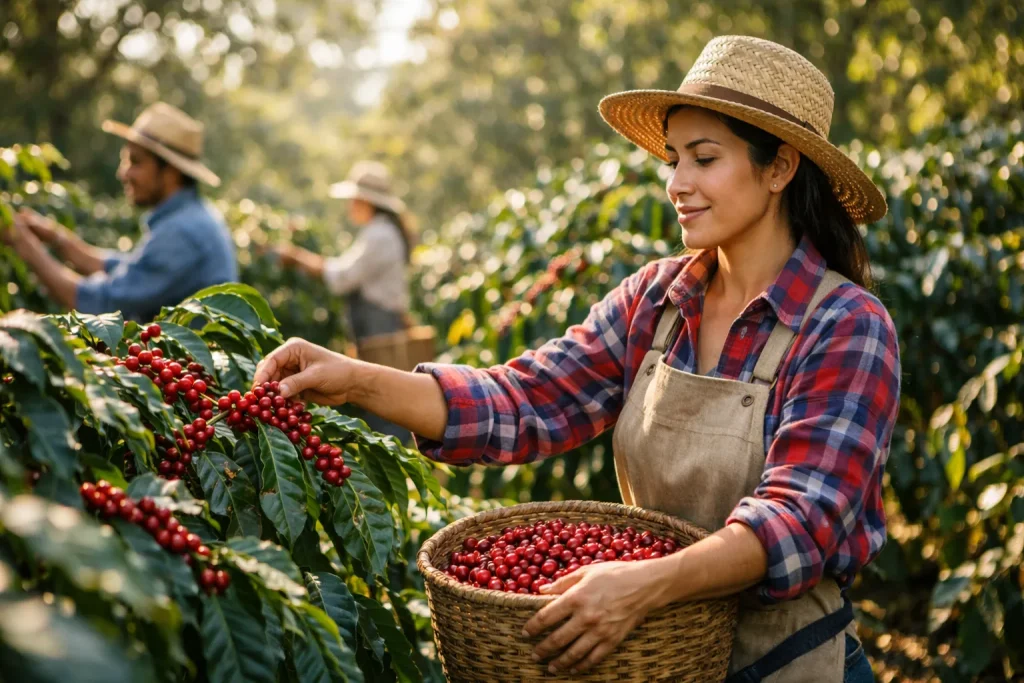
Decaf production can raise environmental concerns at multiple stages. Growing coffee affects land use, water, and pesticide use, which applies to both regular and decaf beans.
The decaffeination step may use different methods with different impacts. Swiss Water and CO2 methods avoid solvents and have lower chemical risk, while solvent-based processes can create waste that needs careful handling.
Buyers can look for labels that signal better practices. Certifications like organic or Rainforest Alliance suggest reduced pesticide use and stronger farm protections.
Ethical concerns include farmer pay and working conditions. Decaf crops often come from the same farms as regular coffee, so fair trade and direct-trade practices remain important for worker welfare and community stability.
A simple checklist helps compare options:
- Choose Swiss Water or CO2 decaf for lower chemical use.
- Prefer organic or certified beans to reduce pesticide impact.
- Look for fair trade or direct-trade to support farm incomes.
Producers and roasters can cut harm by reducing chemical waste, improving water management, and paying fair prices. Consumers can influence the market by choosing decaf with clear environmental and ethical labels.
Choosing the Best Decaf Coffee
Choosing decaf means balancing taste, processing method, and freshness. Readers should check labels for the decaffeination process and roast date, and compare specific brands that use chemical-free methods or well-reviewed beans.
Reading Labels and Ingredients
Labels show the decaffeination method and roast date. Look for “Swiss Water Process” or “CO2 process” for chemical-free or low-chemical options. Avoid vague claims like “naturally decaffeinated” without a method listed.
Check the roast date or “roasted on” line. Coffee tastes best within a few weeks of roasting, so fresher is usually better. Note origin and roast level—single-origin beans often keep distinct flavors, while blends aim for balance.
Ingredients should list only coffee. If a label lists additives, expect flavored or treated beans. Certifications like organic or fair trade matter to some buyers for environmental or social reasons.
Popular Decaf Brands
Many roasters now offer high-quality decafs. Swiss Water Decaf sources beans decaffeinated by the Swiss Water Process and often lists origin and roast date on packaging. This appeals to those who want chemical-free decaf with traceable beans.
Major brands like Koffee, Stumptown, and local specialty roasters also publish roast dates and processing methods. Look for tasting notes—terms like “chocolate,” “nutty,” or “bright citrus” help match preferences.
Buy small bags from different roasters to taste-test. For home brewing, choose a grind size suited to the method (coarse for French press, fine for espresso).
FAQS
Is decaf coffee completely caffeine-free?
No. Decaf still contains a small amount of caffeine. A typical cup has about 2–7 mg, compared with 70–140 mg in regular coffee. Sensitive people should watch portion size and timing.
Does decaf taste worse than regular coffee?
Not necessarily. Modern decaffeination methods aim to preserve flavor. Roast level, bean quality, and brewing method matter more than whether it is decaf.
Are decaf coffee beans less healthy?
Decaf keeps many antioxidants and nutrients found in regular coffee. Some studies show similar protective effects, but differences are small. People with caffeine sensitivity may gain sleep and anxiety benefits.
How is caffeine removed from coffee?
Common methods include the Swiss Water Process, CO2 method, and solvent-based processes. The Swiss Water and CO2 methods avoid harsh solvents and are often labeled as such.
Is decaf safer for pregnant people or those with health issues?
Many health guidelines recommend limiting caffeine during pregnancy and certain conditions. Decaf can help reduce caffeine intake, but people should follow medical advice and check labels.
How to choose good decaf?
Look for single-origin or specialty roasters that show the decaffeination method. Fresh roast date and proper storage affect flavor. Experiment with grind and brew to find the best cup.
Common myth: decaf is chemical or toxic.
That misrepresents modern methods. Some decaf uses solvents but within regulated limits, while water and CO2 methods avoid solvents entirely. Labels usually indicate the process used.
Conclusion
Decaf coffee often gets misunderstood. Many myths come from old processing methods and mixed facts.
It still contains small amounts of caffeine, but usually not enough to cause the same effects as regular coffee. Modern decaffeination methods keep more flavor and antioxidants than people expect.
People can enjoy decaf for sleep, caffeine sensitivity, or taste without giving up health benefits. Studies show decaf can still deliver antioxidants and may support long-term health in similar ways to regular coffee.
Choose decaf based on quality, not assumptions. Look for beans labeled with the decaffeination method and roast date to get better flavor. Specialty roasters and Swiss Water or CO2 methods often preserve more taste.
If a person dislikes decaf after trying one cup, a different roast or brand may change their view. Tasting several options helps find one that matches personal preferences.
Decaf is a real option for those who want coffee’s ritual with less caffeine. It deserves the same attention to bean quality, brewing, and storage as any other coffee.